


1. Introduction
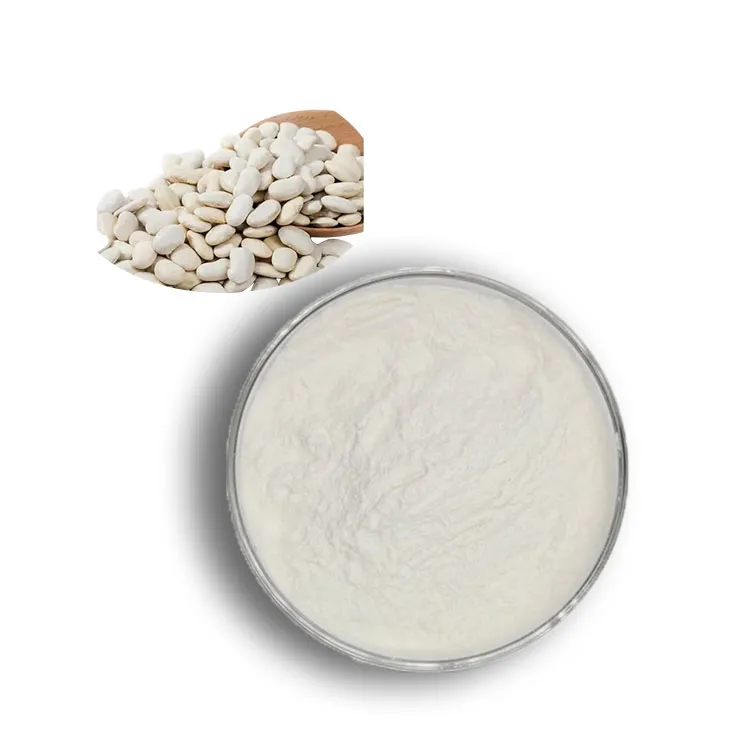
Kidney Bean Extract has gained significant attention in recent years due to its various beneficial properties. It is derived from kidney beans, which are a common type of legume widely consumed around the world. The extract contains a rich combination of bioactive components that contribute to its unique characteristics and potential applications in different fields, especially in the areas related to health and nutrition.
2. Characteristics of Kidney Bean Extract
2.1 Enzyme - Inhibitory Activity
One of the most prominent characteristics of Kidney Bean Extract is its enzyme - inhibitory activity. In particular, it has the ability to inhibit the activity of certain digestive enzymes, such as alpha - amylase. Alpha - amylase is an enzyme that plays a crucial role in the digestion of carbohydrates. By inhibiting its activity, Kidney Bean Extract can potentially slow down the breakdown of complex carbohydrates into simple sugars. This, in turn, may have implications for managing blood sugar levels. For individuals with diabetes or those at risk of developing diabetes, this property of Kidney Bean Extract could be of great significance in helping to regulate blood glucose levels more effectively.
2.2 Dietary Fiber Content
Kidney Bean Extract also contains a significant amount of dietary fibers. Dietary fibers are an important component of a healthy diet as they can offer numerous health benefits. In the case of Kidney Bean Extract, the dietary fibers can improve intestinal function. They can add bulk to the stool, promoting regular bowel movements and preventing constipation. Moreover, dietary fibers can also act as a prebiotic, providing nourishment for the beneficial gut bacteria. This helps to maintain a healthy balance of the gut microbiota, which is associated with overall well - being, including improved immune function and reduced risk of certain diseases such as inflammatory bowel diseases and some types of cancer.
3. Processing Methods of Kidney Bean Extract
3.1 Initial Step: Mechanical Crushing
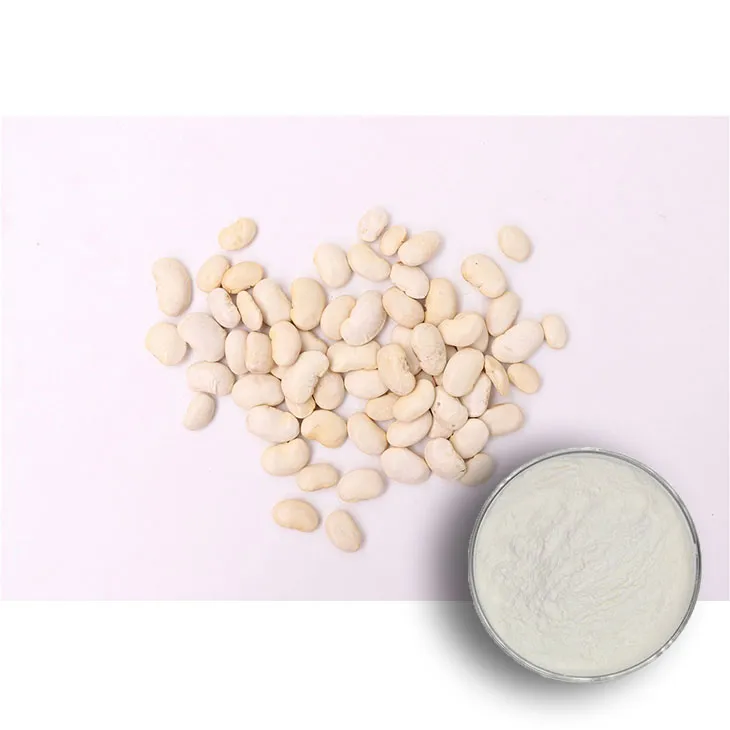
The processing of Kidney Bean Extract typically begins with mechanical crushing. This is an essential first step as it serves to break the structure of the kidney beans. By crushing the beans, it becomes easier to access the internal components that contain the bioactive substances. Mechanical crushing can be achieved using various types of equipment, such as crushers or grinders. The degree of crushing needs to be carefully controlled to ensure that the bean structure is adequately broken without causing excessive damage to the bioactive components. For example, if the crushing is too harsh, it may lead to the degradation of some heat - sensitive or enzyme - sensitive substances within the beans.
3.2 Separation of Solid and Liquid Parts: Centrifugation
After the extraction process, the next step often involves the separation of the solid and liquid parts. Centrifugation is a commonly used method for this purpose. During centrifugation, the mixture is spun at a high speed in a centrifuge. This causes the denser solid particles to move towards the outer edge of the centrifuge tube, while the liquid remains in the center or inner part. This separation allows for the isolation of the liquid extract, which contains the desired bioactive components. The parameters of centrifugation, such as the speed and duration, need to be optimized based on the specific characteristics of the Kidney Bean Extract being processed. Different types of centrifuges may be used depending on the scale of production, with laboratory - scale centrifuges being suitable for small - scale research and development, and industrial - scale centrifuges for large - volume production.
3.3 Purification: Chromatography Techniques
To obtain a high - quality Kidney Bean Extract with specific bioactive components, chromatography techniques are often employed for further purification. Chromatography is a powerful separation method that can separate different substances based on their physical and chemical properties. There are several types of chromatography that can be used in the purification of Kidney Bean Extract, such as column chromatography, thin - layer chromatography, and high - performance liquid chromatography (HPLC).
- Column chromatography involves passing the extract through a column filled with a stationary phase. Different components in the extract will interact differently with the stationary phase, resulting in their separation as they move through the column at different rates.
- Thin - layer chromatography is a simpler and more rapid method, often used for preliminary analysis or small - scale purification. It involves spotting the extract on a thin layer of adsorbent material, and then using a solvent to develop the chromatogram. The different components will move different distances on the thin layer, allowing for their separation and identification.
- High - performance liquid chromatography (HPLC) is a highly sensitive and precise method, suitable for large - scale purification and analysis. It uses a high - pressure pump to force the liquid extract through a column filled with a very fine stationary phase. The separation is achieved based on the differential interactions of the components with the stationary phase, and the eluted components can be detected and quantified with high accuracy using detectors such as UV - Vis detectors.
4. Conclusion
In conclusion, Kidney Bean Extract has unique characteristics, particularly its enzyme - inhibitory activity and dietary fiber content, which make it a valuable natural product with potential applications in health and nutrition. The processing methods, including mechanical crushing, centrifugation, and chromatography techniques, are crucial for obtaining high - quality Kidney Bean Extract. As research continues, it is expected that more in - depth understanding of the properties and applications of Kidney Bean Extract will be achieved, and more efficient and sustainable processing methods may be developed. This will further promote the utilization of Kidney Bean Extract in various industries, such as the food, pharmaceutical, and nutraceutical industries.
FAQ:
What are the main characteristics of Kidney Bean Extract?
The main characteristics of Kidney Bean Extract include its enzyme - inhibitory activity. It can inhibit the activity of certain digestive enzymes such as alpha - amylase, which is relevant for blood sugar level management. It also contains dietary fibers that are beneficial for improving intestinal function.
How does Kidney Bean Extract affect blood sugar levels?
Kidney Bean Extract can affect blood sugar levels through its enzyme - inhibitory activity. By inhibiting alpha - amylase, it may slow down the digestion of carbohydrates, thereby potentially helping to manage blood sugar levels.
What is the first step in processing Kidney Bean Extract?
The first step in processing Kidney Bean Extract is often mechanical crushing. This is done to break the bean structure, which is the initial stage in the extraction process.
Why is centrifugation used in the processing of Kidney Bean Extract?
Centrifugation is used in the processing of Kidney Bean Extract to separate the solid and liquid parts after extraction. This helps in isolating the components and moving forward with the purification process.
How does chromatography contribute to the purification of Kidney Bean Extract?
Chromatography techniques are used to purify the Kidney Bean Extract further. They help in obtaining high - quality Kidney Bean Extract with specific bioactive components by separating different substances based on their chemical properties.
Related literature
- The Bioactive Compounds in Kidney Bean Extract and Their Health Benefits"
- "Processing Techniques for Kidney Bean Extract: A Review"
- "Enzyme Inhibition by Kidney Bean Extract: Mechanisms and Applications"


-

Beta Carotene
2025-01-15
-

Tongkat Ali Extract
2025-01-15
-

Peppermint Extract Powder
2025-01-15
-

Camu Camu Extract
2025-01-15
-

Astaxanthin
2025-01-15
-

Bitter Melon Extract
2025-01-15
-

Hops Extract
2025-01-15
-

Tamarind extract powder
2025-01-15
-

Curcuma Longa Extract/Turmeric extract
2025-01-15
-

D-Mannose
2025-01-15