


Introduction to Kidney Bean Extract
Kidney Bean Extract has emerged as a highly sought - after ingredient in a diverse range of industries. Its popularity spans from the food and beverage sector to the pharmaceutical realm. This extract is derived from kidney beans, which are known for their rich nutritional profile and bioactive components.
Nutritional and Bioactive Components of Kidney Bean Extract
Dietary Fiber: One of the key components of Kidney Bean Extract is dietary fiber. It contains a substantial amount of dietary fiber, which plays a crucial role in promoting digestive health. Dietary fiber aids in regular bowel movements, prevents constipation, and can also contribute to the management of weight by providing a feeling of fullness.
Other Bioactive Compounds: Besides dietary fiber, Kidney Bean Extract is also rich in other bioactive compounds. These may include various antioxidants, which help in combating oxidative stress in the body. Oxidative stress is associated with numerous health problems, including chronic diseases such as heart disease, cancer, and diabetes. The presence of these bioactive compounds makes Kidney Bean Extract a valuable ingredient in products aimed at promoting overall health.
Applications in the Food Industry
Functional Foods: In the food industry, Kidney Bean Extract is widely used in the production of functional foods. Functional foods are those that offer additional health benefits beyond basic nutrition. For example, it can be incorporated into dietary supplements. These supplements are designed to provide consumers with a concentrated dose of the beneficial components found in Kidney Bean Extract, such as fiber and antioxidants.
Health - Promoting Snacks: Another application is in the creation of health - promoting snacks. Snacks containing Kidney Bean Extract can appeal to health - conscious consumers. For instance, a snack bar made with Kidney Bean Extract can provide a convenient and tasty way for consumers to increase their fiber intake.
Role of Suppliers
Quality of Raw Materials
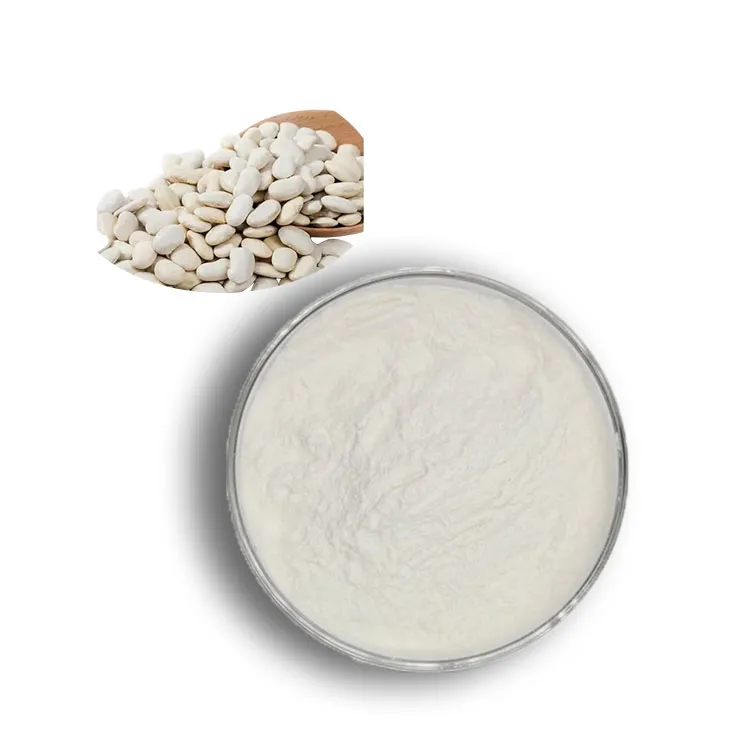
Suppliers of Kidney Bean Extract have a fundamental responsibility to ensure the quality and purity of their products. This begins with the sourcing of high - quality kidney beans. They must establish relationships with reliable farmers who follow good agricultural practices. High - quality kidney beans are essential as they form the basis of the extract. These beans should be free from contaminants such as pesticides, heavy metals, and mycotoxins.
Extraction Techniques
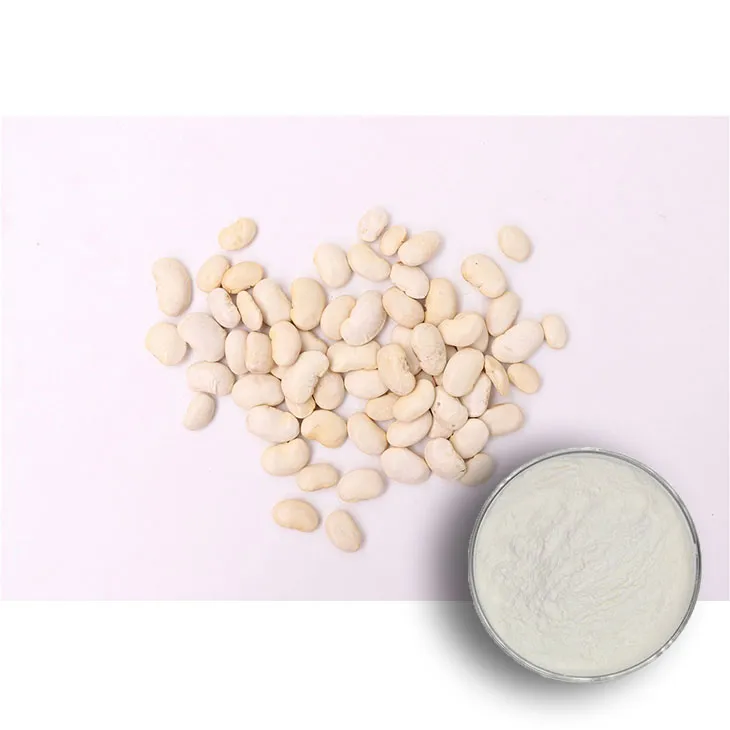
Advanced Extraction Methods: Suppliers also need to utilize advanced extraction techniques. These techniques are crucial in obtaining a pure and concentrated extract. There are various extraction methods available, such as solvent extraction and supercritical fluid extraction. Solvent extraction involves using a solvent to dissolve the desired components from the kidney beans. However, it is important to ensure that the solvent used is safe and does not leave any harmful residues in the final product. Supercritical fluid extraction, on the other hand, uses a supercritical fluid, such as carbon dioxide, which offers advantages in terms of selectivity and the production of a cleaner extract.
Quality Control
Quality Control at Every Stage: Quality control is of utmost importance at every stage of the production process. Starting from the selection of raw materials, suppliers need to conduct thorough inspections. During the extraction process, parameters such as temperature, pressure, and extraction time need to be carefully monitored to ensure consistent quality. In the final product packaging, measures should be taken to protect the extract from environmental factors such as light, moisture, and air, which could degrade its quality.
Challenges Faced by Exporters
Compliance with International Regulations
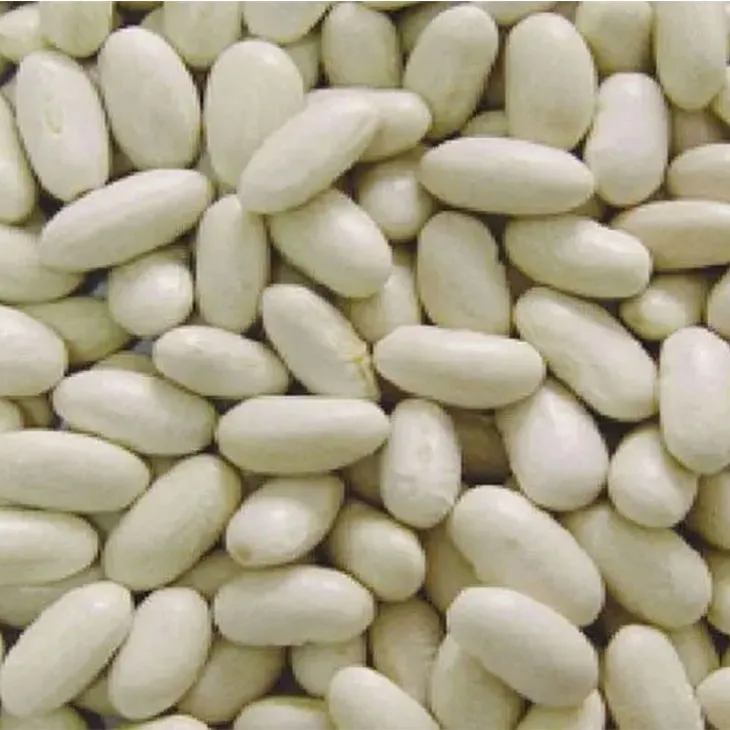
European Union Regulations: Exporters of Kidney Bean Extract face the challenge of complying with international regulations and standards. In the European Union, for example, there are strict regulations regarding the safety and labeling of food additives. The extract must meet certain safety criteria, and the labeling must accurately disclose all relevant information, including the ingredients, the source of the extract, and any potential allergens.
Other International Standards: Similarly, other countries and regions also have their own sets of regulations. Exporters need to be well - versed in these requirements to ensure that their products can be legally sold in different markets. This may involve obtaining certifications and approvals from relevant regulatory bodies.
Transportation and Storage
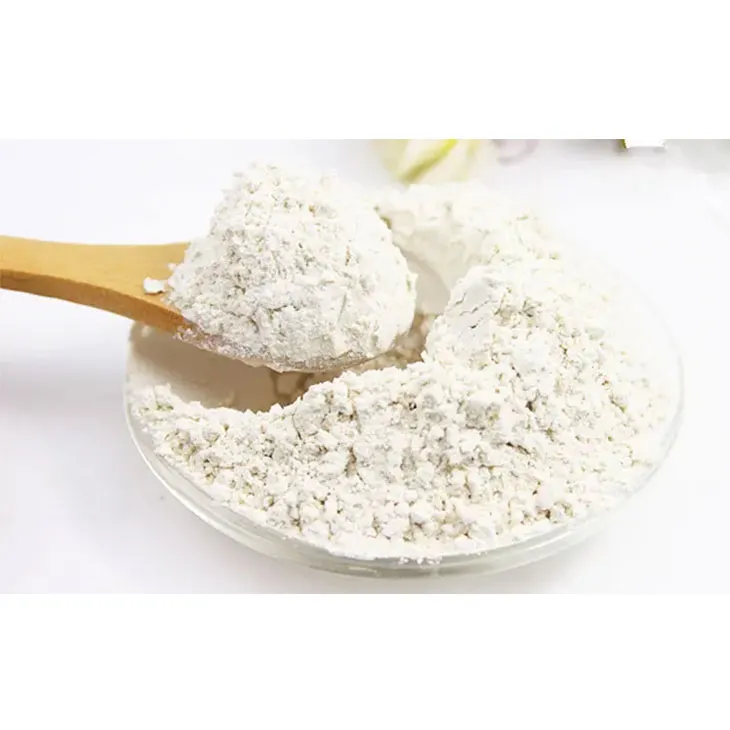
Maintaining Extract Integrity: Exporters need to consider transportation and storage conditions to maintain the integrity of the extract. Kidney Bean Extract is sensitive to factors such as temperature, humidity, and light. During transportation, appropriate packaging and temperature - controlled shipping methods may be required. In storage, facilities should be equipped to maintain the optimal conditions for the extract. For example, it may need to be stored in a cool, dry place away from direct sunlight.
Understanding Market Demand
Different Market Demands: Exporters should have a good understanding of the market demand in different countries. There are significant variations in the demand for Kidney Bean Extract across the globe. In some countries, such as the United States, there is a growing market for dietary supplements containing Kidney Bean Extract. Consumers in these regions are increasingly interested in products that can support weight management and digestive health. In other countries, like those in Asia, the focus may be more on the use of Kidney Bean Extract in the food industry, such as in the development of new functional foods.
Conclusion
The Kidney Bean Extract market is indeed a growing and dynamic one. The importance of suppliers and exporters cannot be overstated. Suppliers are responsible for providing high - quality, pure extracts, while exporters play a crucial role in making these products available in international markets. By maintaining high standards in production, quality control, and compliance with regulations, as well as by adapting to the ever - changing market demands, suppliers and exporters can contribute significantly to the continued growth and development of the Kidney Bean Extract industry.
FAQ:
What are the main nutrients in Kidney Bean Extract?
Kidney Bean Extract is rich in dietary fiber. Dietary fiber is very beneficial for digestive health. It may also contain other bioactive compounds which contribute to its various uses in different industries such as food and pharmaceuticals.
How do Kidney Bean Extract suppliers ensure product quality?
Suppliers need to source high - quality kidney beans from reliable farmers. They must use advanced extraction techniques. Quality control is crucial at every stage of the production process, from the selection of raw materials to the final product packaging.
What challenges do exporters of Kidney Bean Extract face?
Exporters need to comply with international regulations and standards. For example, in the European Union, there are strict regulations regarding the safety and labeling of food additives. They also need to consider transportation and storage conditions to maintain the integrity of the extract. Moreover, they should have a good understanding of the market demand in different countries.
How is Kidney Bean Extract used in the food industry?
In the food industry, Kidney Bean Extract can be used as an ingredient in functional foods. For example, it can be used in dietary supplements and health - promoting snacks.
What is the importance of Kidney Bean Extract in the pharmaceutical industry?
While the article mainly focuses on its use in food and beverage industries, Kidney Bean Extract may potentially have applications in the pharmaceutical industry due to its bioactive compounds. However, specific uses would depend on further research into its pharmacological properties, such as antioxidant, anti - inflammatory or other potential therapeutic effects.
Related literature
- The Nutritional and Therapeutic Potential of Kidney Bean Extract"
- "Kidney Bean Extract: Production, Quality Control and Market Trends"
- "Bioactive Compounds in Kidney Bean Extract: A Review of Their Health Benefits"


-

Aged Garlic Extract
2024-12-06
-

Baicalin
2024-12-06
-

Scutellaria Extract
2024-12-06
-

Green Tea Extract
2024-12-06
-

Vitamin B9
2024-12-06
-

Kelp Extract Powder
2024-12-06
-

Chia Seed Powder
2024-12-06
-

Chaste Berry Extract
2024-12-06
-

Red Yeast Rice
2024-12-06
-

Acerola Extract
2024-12-06