


Introduction
Organic Astaxanthin powder has emerged as a highly sought - after substance in recent times. This is primarily due to its myriad of health benefits. Manufacturers of organic Astaxanthin powder are central to making this product available in the market. Their operations span a complex production process, research, and quality control to ensure that consumers receive a high - quality product.
Raw Material Sourcing
The production of organic Astaxanthin powder commences with the procurement of high - quality raw materials. In the case of organic Astaxanthin, the principal source is microalgae, specifically Haematococcus pluvialis.
Cultivation of Microalgae
- The cultivation of Haematococcus pluvialis is carried out in controlled environments. This is crucial as it allows for the precise management of growth conditions.
- Strict adherence to organic farming standards is a non - negotiable aspect of microalgae cultivation. This means that no harmful pesticides or synthetic fertilizers are used. The use of such substances would not only compromise the organic nature of the Astaxanthin but could also introduce contaminants into the final product.
Extraction of Astaxanthin
Once the microalgae are harvested, the next step is to extract the Astaxanthin. This is a critical stage in the production process, and manufacturers employ advanced techniques to ensure the purity and integrity of the Astaxanthin.
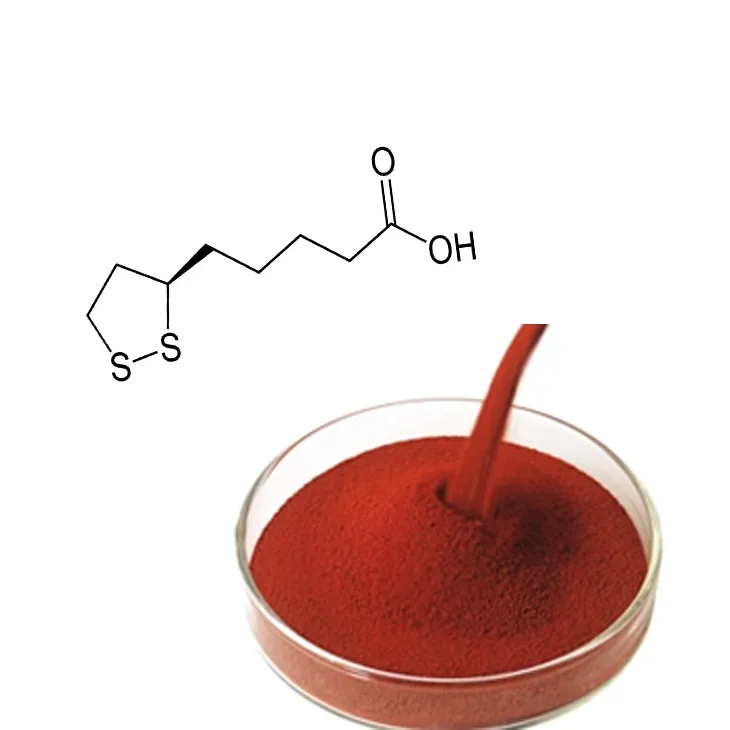
Supercritical Fluid Extraction
- One of the commonly used methods is supercritical fluid extraction. This state - of - the - art technique has several advantages. It can effectively isolate the Astaxanthin from the microalgae matrix while maintaining its chemical structure and purity.
- The use of supercritical fluids, such as carbon dioxide, provides a clean and efficient extraction process. It can selectively extract the Astaxanthin without co - extracting a large number of unwanted compounds, which would otherwise require additional purification steps.

Other Extraction Methods
- In addition to supercritical fluid extraction, there are other extraction methods that manufacturers may use. These include solvent extraction methods, although they need to be carefully optimized to ensure the removal of the solvent residues completely to meet the high - quality standards of organic Astaxanthin powder.
- Each extraction method has its own set of advantages and challenges, and manufacturers need to choose the most appropriate method based on factors such as cost, efficiency, and product quality requirements.
Conversion to Powder Form
After the extraction of Astaxanthin, it is then converted into a powder form. This conversion is essential as it makes the Astaxanthin more suitable for a wide range of applications.

Benefits of Powder Form
- The powder form of Astaxanthin is highly convenient for use in various industries. For example, in the dietary supplement industry, it can be easily encapsulated or blended into tablets and capsules.
- In the cosmetics industry, the powder form can be incorporated into creams, lotions, and other topical products more evenly. It also allows for precise dosing in functional foods, where Astaxanthin is added for its health - promoting properties.
Conversion Techniques
- Manufacturers use various techniques to convert the extracted Astaxanthin into powder. These may include spray - drying, freeze - drying, or other drying methods. Spray - drying is a commonly used technique as it can produce a fine powder with good flowability and stability.
- Freeze - drying, on the other hand, can preserve the bioactivity of Astaxanthin to a greater extent in some cases, but it is generally more expensive. Manufacturers need to balance the cost and quality aspects when choosing the conversion technique.
Quality Control
Quality control is an absolute top priority for organic Astaxanthin powder manufacturers. They conduct comprehensive testing at every stage of production to ensure that the final product meets the highest quality standards.
Purity Analysis
- One of the key aspects of quality control is analyzing the purity of the Astaxanthin. High - performance liquid chromatography (HPLC) is often used for this purpose. HPLC can accurately determine the concentration of Astaxanthin in the sample and detect any impurities present.
- Manufacturers also need to ensure that there are no residual solvents or other contaminants from the extraction and conversion processes. This requires the use of sensitive analytical techniques and strict adherence to regulatory limits.
Contaminant Screening
- Screening for contaminants is another important part of quality control. This includes testing for heavy metals, such as lead, mercury, and cadmium, which can be toxic to humans. Microbial contaminants, such as bacteria, fungi, and viruses, are also screened for, especially if the Astaxanthin is intended for use in dietary supplements or foods.
- Manufacturers need to implement strict hygiene and quality management systems to prevent contamination during production. This includes maintaining clean production facilities, proper handling of raw materials, and regular equipment sterilization.
Potency Verification
- Verifying the potency of Astaxanthin is crucial to ensure that the product has the expected health - promoting effects. This may involve in - vitro and in - vivo assays to determine the antioxidant activity, anti - inflammatory properties, and other biological activities of Astaxanthin.
- Only products that pass all the quality control tests are allowed to be sold in the market. This ensures that consumers can trust the safety and effectiveness of the organic Astaxanthin powder they purchase.
Research and Development
Organic Astaxanthin powder manufacturers also play an important role in research and development (R & D). They collaborate with scientific institutions and research organizations to explore new applications of Astaxanthin and to gain a deeper understanding of its health - promoting properties.
New Applications
- One area of focus in R & D is the discovery of new applications of Astaxanthin. For example, researchers are exploring its potential use in the treatment of certain diseases, such as neurodegenerative disorders, cardiovascular diseases, and eye diseases. Manufacturers are interested in these new applications as they can open up new market opportunities for their products.
- Another potential application is in the field of sports nutrition. Astaxanthin's antioxidant and anti - inflammatory properties may help athletes to recover faster from exercise - induced muscle damage and improve their performance. Manufacturers can develop new products targeted at the sports market based on these findings.
Understanding Health - Promoting Properties
- Although Astaxanthin is known for its many health benefits, there is still much to learn about how it works at the molecular level. Manufacturers collaborate with scientists to conduct research on the mechanisms of action of Astaxanthin. This includes studying how it interacts with cells, enzymes, and signaling pathways in the body.
- By understanding the health - promoting properties of Astaxanthin more thoroughly, manufacturers can develop more effective products and communicate the benefits to consumers more accurately. This also helps them to stay competitive in the market by differentiating their products from those of their competitors.
Conclusion
Manufacturers of organic Astaxanthin powder are involved in a complex and multi - faceted process. From sourcing high - quality raw materials to conducting advanced extraction and conversion processes, and from rigorous quality control to active participation in research and development, they play a vital role in bringing this valuable product to the market. Their efforts ensure that consumers can access high - quality organic Astaxanthin powder with known health benefits, and they also contribute to the continuous development and expansion of the applications of Astaxanthin in various industries.
FAQ:
What are the main sources for manufacturing organic Astaxanthin powder?
The main source for manufacturing organic Astaxanthin powder is often microalgae, such as Haematococcus pluvialis. These microalgae are carefully cultivated in controlled environments.
What extraction methods are used to obtain Astaxanthin?
Advanced extraction techniques are used, such as supercritical fluid extraction or other state - of - the - art methods. These methods can effectively isolate the Astaxanthin while maintaining its integrity and purity.
Why is quality control important for organic Astaxanthin powder manufacturers?
Quality control is crucial because it ensures that the Astaxanthin powder is pure, free from contaminants, and has the correct potency. Only products that meet the highest quality standards are allowed to be sold in the market.
What role do manufacturers play in research and development of Astaxanthin?
Manufacturers collaborate with scientific institutions. They explore new applications of Astaxanthin and further understand its health - promoting properties. This helps them stay competitive and benefits the consumers.
What is the advantage of converting Astaxanthin into powder form?
Converting Astaxanthin into powder form is more convenient for various applications, such as in dietary supplements, cosmetics, and functional foods.
Related literature
- Title: Organic Astaxanthin: Sources, Extraction and Applications"
- Title: "Manufacturing Standards of Organic Astaxanthin Powder in the Global Market"
- Title: "Quality Control in the Production of Organic Astaxanthin Powder"


-

Black Garlic Extract
2024-12-05
-

Genistein
2024-12-05
-

Cordyceps Extract
2024-12-05
-

Avocado Extract Powder
2024-12-05
-

Senna Leaf Extract
2024-12-05
-

Marigold Extract
2024-12-05
-

Polygonum Cuspidatum Extract
2024-12-05
-

Oat Straw Extract Powder
2024-12-05
-

Panax Ginseng Leaf Extract
2024-12-05
-

Buckthorn bark extract
2024-12-05