


1. Introduction
Artichoke leaves are a valuable natural resource that has been increasingly recognized for its numerous potential benefits. Manufacturers in this area play a crucial role in harnessing the power of artichoke leaves. They are involved in a complex process that begins with the sourcing of the leaves and culminates in the production of various forms of Artichoke Leaf Extracts. These manufacturers are not only responsible for the quantity but also the quality of the products, which find applications in diverse industries.
2. Sourcing of Artichoke Leaves
2.1 Cultivation
Some manufacturers choose to cultivate artichoke plants to ensure a steady supply of high - quality leaves. Artichoke cultivation requires specific environmental conditions. They are typically grown in regions with a Mediterranean - like climate, which provides the right amount of sunlight, temperature, and soil quality. Cultivators need to pay attention to factors such as soil fertility, irrigation, and pest control. For example, well - drained soil rich in organic matter is beneficial for artichoke growth. Regular watering, especially during the growing season, is essential, but over - watering can lead to root rot. Pest management often involves the use of natural predators or environmentally - friendly pesticides to protect the plants from common pests like aphids and snails.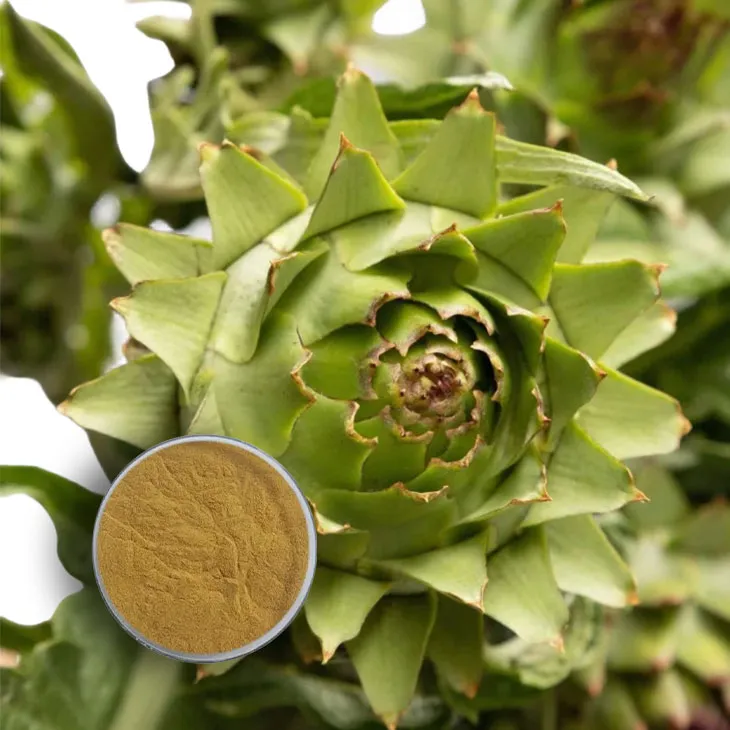
2.2 Collection from the Wild
In some cases, artichoke leaves are collected from the wild. However, this practice needs to be carefully managed to ensure sustainability. Manufacturers must comply with relevant regulations regarding wild - plant collection. They need to ensure that the collection does not cause damage to the natural ecosystem or lead to the depletion of artichoke populations. Only mature leaves should be collected, leaving enough plants to reproduce and maintain the ecological balance.3. Extraction Methods
Different manufacturers may use different extraction methods, each with its own set of characteristics and advantages.
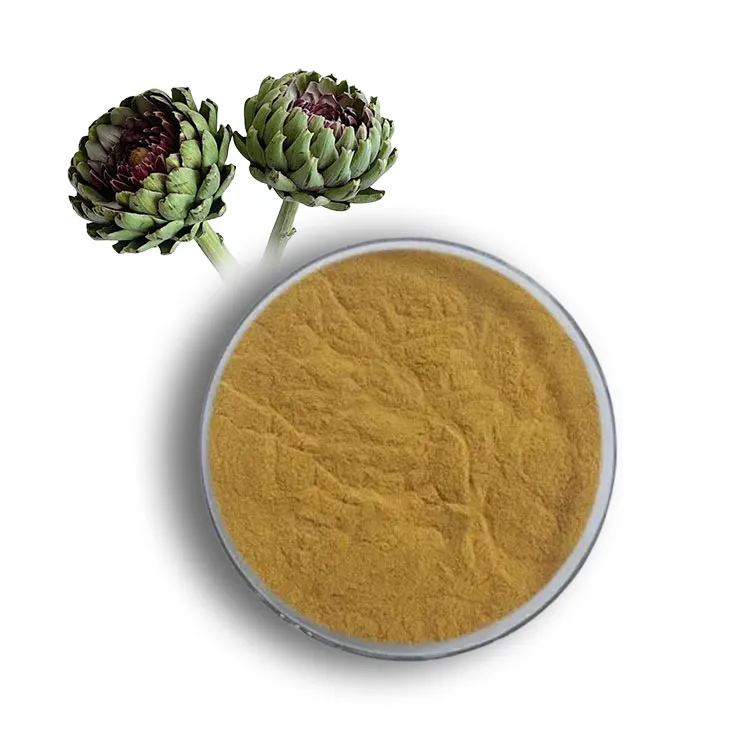
3.1 Solvent Extraction
- Principle: Solvent extraction is a commonly used method. It involves using a solvent, such as ethanol or methanol, to dissolve the active compounds present in artichoke leaves. The leaves are typically ground into a fine powder before the solvent is added. The solvent then extracts the desired components, leaving behind the insoluble plant matter. - Advantages: It is a relatively simple and cost - effective method. Ethanol, for example, is a widely available and relatively inexpensive solvent. It can effectively extract a wide range of compounds from artichoke leaves, including phenolic compounds and flavonoids, which are believed to be responsible for many of the health - promoting properties of Artichoke Leaf Extracts. - Disadvantages: One potential drawback is the need to remove the solvent completely from the final extract. Residual solvent in the extract may pose safety concerns, especially if the extract is intended for use in pharmaceuticals or food products. Additionally, the selectivity of solvent extraction may not be as high as some other methods, meaning that it may extract some unwanted compounds along with the desired ones.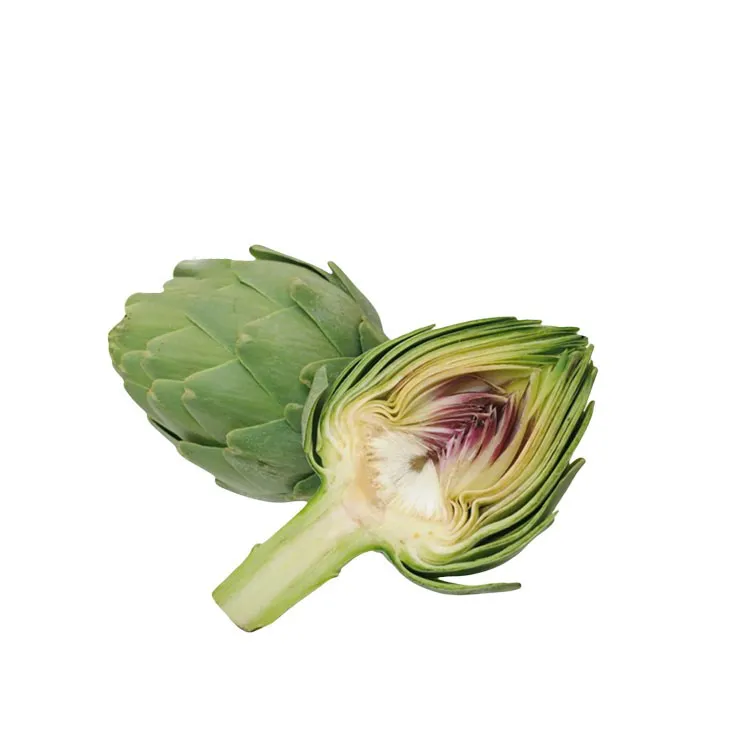
3.2 Supercritical Fluid Extraction
- Principle: Supercritical fluid extraction uses a supercritical fluid, most commonly carbon dioxide (CO₂), as the extracting agent. A supercritical fluid has properties between those of a liquid and a gas. It can penetrate the plant material more effectively than a normal liquid solvent. By adjusting the pressure and temperature, the solubility of the compounds in the supercritical fluid can be controlled, allowing for selective extraction of specific components from the artichoke leaves. - Advantages: This method is considered more environmentally friendly as carbon dioxide is non - toxic, non - flammable, and easily removable from the extract. It also offers high selectivity, which means that it can target specific compounds more precisely. For example, it can be used to extract the bioactive compounds with the highest antioxidant activity from artichoke leaves. Moreover, the extracts obtained by supercritical fluid extraction often have a higher quality in terms of purity and stability. - Disadvantages: The equipment required for supercritical fluid extraction is more expensive than that for solvent extraction. It also requires more complex operating procedures and skilled technicians to ensure proper control of the extraction process. This can make the overall cost of production higher, which may be a limiting factor for some manufacturers.4. Applications of Artichoke Leaf Extracts
4.1 Pharmaceuticals
Artichoke Leaf Extracts have shown potential in the pharmaceutical industry, particularly for their liver - protecting effects. The active compounds in the extract, such as cynarin and silymarin - like substances, are thought to help protect the liver from damage caused by toxins, drugs, or diseases. For example, in pre - clinical studies, Artichoke Leaf Extract has been shown to reduce liver enzyme levels in animals exposed to liver - toxic agents. It may also play a role in promoting liver regeneration. Additionally, some research suggests that Artichoke Leaf Extract may have anti - inflammatory properties, which could be beneficial for treating certain inflammatory liver conditions.4.2 Food Industry
- Natural Flavor Enhancer: In the food industry, Artichoke Leaf Extracts are used as natural flavor enhancers. They can add a unique, slightly bitter and earthy flavor to a variety of food products. For example, in some high - end salad dressings, Artichoke Leaf Extract is added to provide a complex flavor profile. It can also be used in the production of artichoke - flavored soups, spreads, and even some types of cheese. - Nutritional Supplement: Artichoke Leaf Extracts are also used as a nutritional supplement in functional foods. They are rich in antioxidants, dietary fiber, and other beneficial compounds. Incorporating Artichoke Leaf Extract into foods such as energy bars or breakfast cereals can increase their nutritional value.4.3 Skincare
- Anti - aging Properties: In the skincare industry, Artichoke Leaf Extracts are prized for their anti - aging properties. The antioxidants present in the extract can help combat free radicals, which are known to cause skin damage and premature aging. By neutralizing these free radicals, Artichoke Leaf Extract can help reduce the appearance of wrinkles, fine lines, and age spots. It may also improve skin elasticity and firmness. - Skin Soothing: Artichoke Leaf Extract has been found to have skin - soothing properties. It can be used in products designed for sensitive skin, such as creams and lotions. It helps to calm irritated skin, reduce redness, and promote a more even skin tone.5. Quality Control in Manufacturing
Given the diverse applications of Artichoke Leaf Extracts, quality control is of utmost importance in the manufacturing process.
5.1 Raw Material Inspection
Manufacturers must carefully inspect the artichoke leaves before processing. This includes checking for signs of disease, pest damage, or improper growth conditions. Only high - quality leaves should be used for extraction. The leaves should be free from contaminants such as pesticides, heavy metals, and other harmful substances.5.2 Process Monitoring
During the extraction process, whether it is solvent extraction or supercritical fluid extraction, strict process monitoring is required. For solvent extraction, the concentration of the solvent, the extraction time, and the temperature need to be carefully controlled. In supercritical fluid extraction, parameters such as pressure, temperature, and flow rate of the supercritical fluid must be precisely regulated. Any deviation from the optimal conditions can affect the quality and composition of the final extract.5.3 Final Product Testing
After the extraction process, the Artichoke Leaf Extract undergoes a series of tests. These include tests for the presence and concentration of active compounds, purity tests to ensure the absence of contaminants, and stability tests to determine the shelf - life of the product. In the pharmaceutical industry, additional tests such as bioavailability and toxicity tests may be required to ensure the safety and effectiveness of the extract.6. Future Trends in Artichoke Leaf and Extract Manufacturing
6.1 Research and Development
There is ongoing research into the potential new applications of Artichoke Leaf Extracts. For example, scientists are exploring its use in the treatment of metabolic disorders such as diabetes and obesity. New extraction techniques are also being developed to improve the efficiency and selectivity of the extraction process. These may include the use of novel solvents or combinations of extraction methods to obtain extracts with higher bioactivity.6.2 Sustainable Manufacturing
With increasing environmental awareness, manufacturers are likely to focus more on sustainable manufacturing practices. This includes sustainable sourcing of artichoke leaves, reducing the environmental impact of extraction methods, and promoting the use of renewable energy in the production process. For example, some manufacturers may invest in solar - powered extraction facilities to reduce their carbon footprint.6.3 Market Expansion
As the awareness of the health benefits of Artichoke Leaf Extracts grows, the market for these products is expected to expand. Manufacturers may look for new markets, both domestically and internationally. They may also develop new product formulations to meet the specific needs of different consumer groups. For example, developing convenient and easy - to - use forms of Artichoke Leaf Extract, such as capsules or gummies, for the consumer market.FAQ:
What are the main extraction methods used by Artichoke Leaf Extract manufacturers?
Manufacturers may use methods like solvent extraction or supercritical fluid extraction. Solvent extraction involves using solvents to separate the active compounds from the artichoke leaves. Supercritical fluid extraction, often using carbon dioxide in a supercritical state, has the advantage of being more environmentally friendly and can produce a purer extract as it can be more selective in extracting the desired components.
How do artichoke leaf manufacturers ensure the quality of the leaves?
If the leaves are cultivated, manufacturers ensure proper agricultural practices. This includes using suitable soil, proper irrigation, and pest control methods. For collected wild artichoke leaves, they ensure that the collection is done sustainably and that only healthy, undamaged leaves are selected. They also perform quality checks at various stages, such as testing for pesticide residues if applicable and ensuring the leaves are free from diseases.
What are the regulatory requirements for artichoke leaf and extract manufacturers?
In the pharmaceutical industry, manufacturers need to comply with strict regulations regarding the safety and efficacy of their products. This includes conducting pre - clinical and clinical trials if the extract is intended for medicinal use. In the food industry, they must follow food safety regulations, such as ensuring the extract is free from harmful contaminants and is labeled correctly. In general, they may also need to adhere to environmental regulations during the cultivation and extraction processes.
What are the potential challenges faced by Artichoke Leaf Extract manufacturers?
One challenge is the variability in the quality of artichoke leaves, which can be affected by factors like the growing environment and season. Another challenge is the cost of extraction, especially for more advanced methods like supercritical fluid extraction. Additionally, competition in the market can be intense, as there are many manufacturers. There may also be challenges in meeting the diverse regulatory requirements across different industries and regions.
How do Artichoke Leaf Extract manufacturers promote their products?
They may promote their products through various means. In the pharmaceutical and healthcare sectors, they may participate in medical conferences and publish research findings related to the benefits of Artichoke Leaf Extracts. In the food industry, they may showcase their products at food exhibitions and work with food manufacturers to develop new products. For skincare, they may collaborate with beauty brands and use digital marketing to target consumers interested in natural skincare products.
Related literature
- The Artichoke: A Review of Its Phytochemical Composition and Health - Promoting Properties"
- "Manufacturing Processes of Botanical Extracts: A Focus on Artichoke Leaf Extract"
- "Quality Control in Artichoke Leaf Extract Production: Current Practices and Future Perspectives"


-

Troxerutin
2024-12-07
-

Acerola Juice Powder
2024-12-07
-

Boswellia Serrata Extract
2024-12-07
-

Motherwort Extract
2024-12-07
-

Alfalfa Meal
2024-12-07
-

Cordyceps Extract
2024-12-07
-

L-Citrullin-DL-malate
2024-12-07
-

Lily extract
2024-12-07
-

Passionflower Extract
2024-12-07
-

Lemon Juice Powder
2024-12-07