


1. Introduction
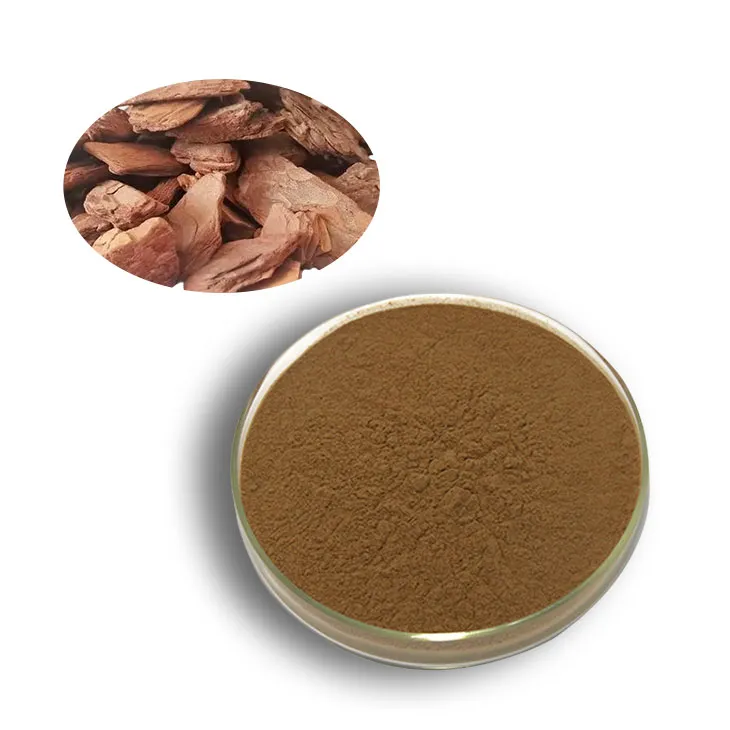
Pine bark Extract Powder has emerged as a highly valuable product in the modern market. It is derived from pine trees, which are abundant in many parts of the world. The utility of this extract powder spans across multiple industries, including medicine, cosmetics, and food. This is due to its various beneficial properties such as antioxidant capabilities, skin - care benefits, and nutritional value. Understanding the entire lifecycle of Pine bark Extract Powder, from the cultivation of pine trees to its processing and market penetration, is crucial for all stakeholders involved.
2. Cultivation of Pine Trees
2.1 Environmental Factors
The cultivation of pine trees is a complex process that is significantly influenced by environmental factors. Pine trees generally prefer well - drained soil. For example, in regions with heavy clay soils, the growth of pine trees may be stunted as water tends to accumulate, leading to root rot in some cases. Temperature also plays a vital role. Most pine species thrive in temperate to cool climates. Extreme heat can cause stress to the trees, affecting their growth rate and overall health. Adequate sunlight is another essential factor. Pine trees are sun - loving plants, and insufficient sunlight can result in weak and spindly growth.
2.2 Biological Factors
Biological factors also impact pine tree cultivation. Pests and diseases can cause significant damage to pine trees. For instance, the pine beetle is a well - known pest that can infest pine trees, boring into the bark and disrupting the tree's vascular system. This not only weakens the tree but can also lead to its death. Fungal diseases, such as root rot fungi, can also affect the roots of pine trees, reducing their ability to absorb water and nutrients. Additionally, competition from other plant species for resources like water, nutrients, and space can also influence the growth of pine trees.
2.3 Long - Term Considerations
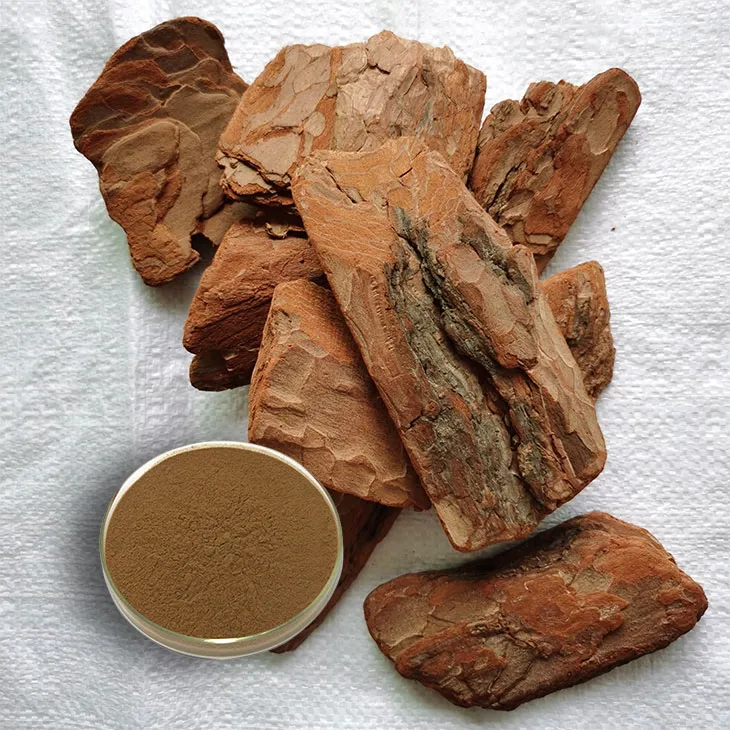
Pine tree cultivation is a long - term project. It can take several years, even decades, for pine trees to reach maturity. This long - term nature requires careful planning and investment. For commercial purposes, where Pine bark Extract Powder is the end goal, sustainable cultivation practices are essential. This includes proper spacing of trees during planting to ensure adequate growth space, regular monitoring for pests and diseases, and appropriate thinning of the forest as the trees grow to maintain a healthy stand.
3. Processing of Pine bark Extract Powder
3.1 Traditional Processing Methods
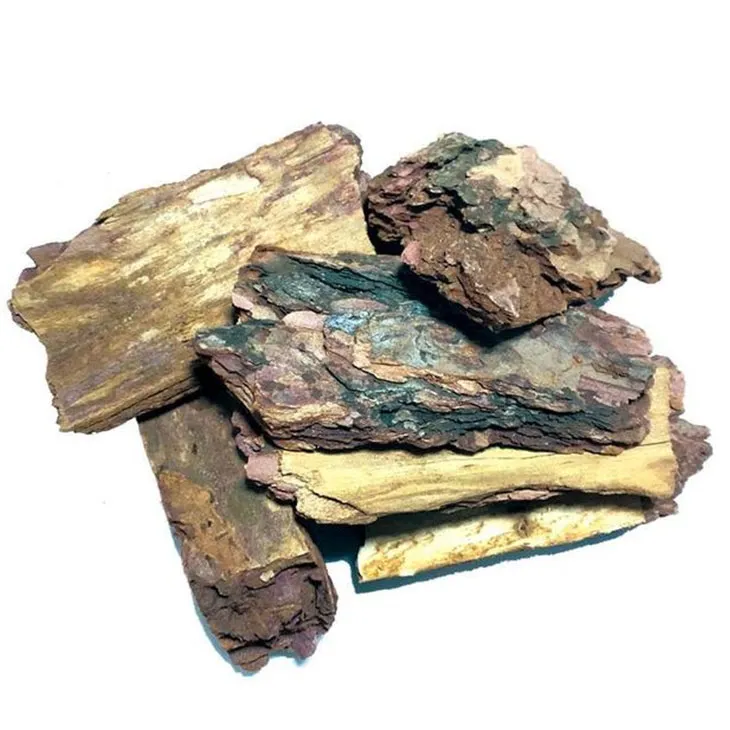
Traditional processing of Pine bark Extract Powder involved relatively simple techniques. Initially, the pine bark was harvested from the trees. It was then dried, either in the sun or in drying chambers. After drying, the bark was ground into a coarse powder. This powder was then often subjected to extraction using solvents such as water or alcohol. However, these traditional methods had limitations in terms of the purity and quality of the final extract powder. For example, the extraction efficiency was relatively low, and there were often impurities in the final product.
3.2 Modern Processing Technologies
In recent years, modern processing technologies have been developed to overcome the limitations of traditional methods. Supercritical fluid extraction is one such advanced technique. In this method, supercritical carbon dioxide is used as the extraction solvent. It offers several advantages over traditional solvents. It can achieve higher extraction efficiency, resulting in a more concentrated and pure Pine bark Extract Powder. Moreover, since carbon dioxide is a non - toxic and environmentally friendly gas, it leaves no harmful residues in the final product. Another modern technology is membrane separation, which can be used to further purify the extract obtained from the initial extraction process, removing any remaining impurities and enhancing the overall quality of the Pine bark Extract Powder.
3.3 Quality Control in Processing
Quality control is of utmost importance during the processing of Pine bark Extract Powder. Various parameters need to be monitored and controlled. For example, the moisture content of the pine bark before extraction should be within a certain range to ensure optimal extraction efficiency. During extraction, the temperature, pressure, and extraction time need to be carefully regulated depending on the extraction method used. In the case of supercritical fluid extraction, precise control of the carbon dioxide pressure and temperature is crucial to obtain a consistent and high - quality product. After extraction, the purity of the final Pine bark Extract Powder is analyzed using techniques such as high - performance liquid chromatography (HPLC) to ensure that it meets the required standards for different applications.
4. Technological Advancements in Pine bark Extract Powder
4.1 Research and Development
There has been significant research and development in the field of Pine bark Extract Powder. Scientists are constantly exploring new ways to improve the extraction process, enhance the bioavailability of the active compounds in the extract, and discover new applications for the product. For example, research is being conducted on the use of enzymatic treatment during the extraction process. Enzymes can break down the cell walls of the pine bark more effectively, releasing more of the valuable compounds into the extract. Additionally, studies are being carried out to understand the molecular structure of the active compounds in Pine bark Extract Powder, which could potentially lead to the development of more targeted and effective products.
4.2 Patents and Intellectual Property
With the increasing technological advancements in the production of Pine bark Extract Powder, patents and intellectual property rights have become important aspects. Many companies and research institutions are filing patents for new extraction techniques, novel applications of the extract, and unique formulations containing Pine bark Extract Powder. For example, a company may patent a new combination of Pine bark Extract Powder with other natural ingredients for use in a specific type of cosmetic product. These patents not only protect the innovators' rights but also encourage further research and development in the field.
5. The Market for Pine bark Extract Powder
5.1 Domestic Market
In the domestic market, Pine bark Extract Powder has found applications in various sectors. In the medicine industry, it is used for its antioxidant properties. Antioxidants are important in preventing oxidative stress in the body, which is associated with various diseases such as cancer and heart disease. Pharmaceutical companies are increasingly incorporating Pine bark Extract Powder into their products, either as a stand - alone supplement or as an ingredient in combination medications. In the cosmetics industry, it is used for its skin - care effects. It can be found in creams, lotions, and serums, where it helps to reduce wrinkles, improve skin elasticity, and protect the skin from environmental damage. In the food industry, it is used for nutritional supplementation. It can be added to functional foods such as energy bars and dietary supplements to provide additional health benefits.
5.2 International Market
The international market for Pine bark Extract Powder is also growing rapidly. Europe is one of the major markets, with a high demand for natural and health - promoting products. Pine bark Extract Powder is used in a wide range of European products, from high - end cosmetics to dietary supplements. In Asia, especially in countries like Japan and South Korea, there is a growing interest in Pine bark Extract Powder for its anti - aging and health - enhancing properties. The United States is also a significant market, with increasing consumer awareness of the benefits of natural products. However, international trade of Pine bark Extract Powder also faces challenges such as regulatory differences between countries. For example, different countries may have different standards for the purity and safety of the product, which can affect its marketability.
5.3 Market Competition
The market for Pine bark Extract Powder is becoming increasingly competitive. There are numerous producers and suppliers in the market, both large and small. Larger companies often have the advantage of economies of scale, allowing them to produce at a lower cost. They also have more resources for research and development and marketing. However, smaller companies can often be more flexible and innovative, focusing on niche markets or developing unique products. To compete in the market, companies need to focus on product quality, innovation, and marketing strategies. For example, a company may differentiate itself by offering a high - purity Pine bark Extract Powder with a unique formulation for a specific application.
6. Conclusion
Pine bark Extract Powder is a product with great potential in today's market. The cultivation of pine trees, the processing of the bark into extract powder, and the technological advancements in this area all contribute to its growing importance. In the market, both domestic and international, it has found applications in medicine, cosmetics, and food industries. However, to fully realize its potential, continued research and development, strict quality control, and effective marketing strategies are essential. As the market continues to evolve, stakeholders in the Pine bark Extract Powder industry need to adapt and innovate to stay competitive and meet the growing demand for this valuable product.
FAQ:
What are the main environmental factors affecting pine tree cultivation?
Soil quality is a crucial environmental factor. Pine trees generally prefer well - drained, slightly acidic soils. Adequate sunlight is also necessary, as most pine species are sun - loving. Temperature and rainfall patterns play important roles too. Extreme cold or heat, and insufficient or excessive rainfall can all impact the growth of pine trees. Additionally, altitude can affect the growth environment, with different pine species being more suitable for different altitude ranges.
How has the processing technology of Pine bark Extract Powder improved over time?
In the past, the processing might have been relatively simple and less efficient. Over time, new extraction methods have been developed. For example, advanced solvent extraction techniques have been introduced to increase the extraction rate and purity. There are also improvements in purification steps, such as the use of more precise filtration and chromatography methods. Moreover, modern processing technology can better preserve the active ingredients in Pine bark Extract Powder during the production process.
What are the main applications of Pine bark Extract Powder in the medical field?
In the medical field, Pine bark Extract Powder is mainly used for its antioxidant properties. It can help neutralize free radicals in the body, which are associated with various diseases and aging processes. Some studies suggest that it may have potential benefits in cardiovascular health, for example, by reducing oxidative stress on blood vessels. It may also play a role in anti - inflammation, potentially helping with conditions related to chronic inflammation.
How does Pine bark Extract Powder contribute to the cosmetics industry?
In the cosmetics industry, Pine bark Extract Powder is highly valued for its skin - care effects. It contains antioxidants that can protect the skin from environmental damage, such as UV radiation and pollution. It may also help improve skin elasticity and reduce the appearance of wrinkles. Some products use it for its anti - inflammatory properties to soothe irritated skin and promote a more even skin tone.
What is the market share of Pine bark Extract Powder in the international market?
The market share of Pine bark Extract Powder in the international market is influenced by multiple factors. In recent years, it has been gradually increasing. In regions with a high demand for natural health products and cosmetics, such as Europe and North America, it has a relatively large market share. However, competition from other natural and synthetic ingredients also exists. Its market share is also affected by factors like product quality, brand reputation, and marketing strategies.
Related literature
- Pine Bark Extract: From Biology to Applications"
- "The Cultivation of Pine Trees for Extract Production: Current Practices and Future Prospects"
- "Processing Technologies of Pine bark Extract Powder: A Review"
- "Market Trends of Pine bark Extract Powder in the Global Market"


-

Citrus Aurantii Extract
2024-12-05
-

L-Cysteine
2024-12-05
-

Saffron Extract Powder
2024-12-05
-

Cranberry Extract
2024-12-05
-

Black Pepper Extract
2024-12-05
-

Vitamin B9
2024-12-05
-

Bilberry Extract
2024-12-05
-

Green Tea Extract
2024-12-05
-

Genistein
2024-12-05
-

Red Yeast Rice
2024-12-05