


1. Introduction
Kidney Bean Extract powder has been gaining increasing attention in various fields due to its potential health - related properties. The production of 80 - 100 mesh Kidney Bean Extract powder is a process that requires precision and strict quality control. This article will delve into the details of this production process, from raw material selection to the final product application.
2. Raw Material Selection
High - quality kidney beans are the foundation of producing excellent extract powder. When selecting kidney beans as raw materials, several factors need to be considered.
2.1. Source
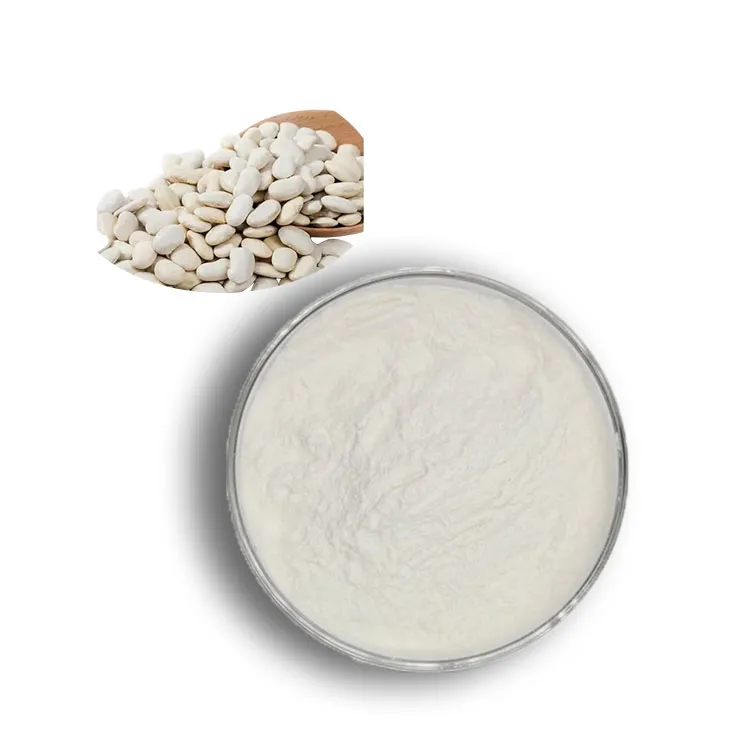
Kidney beans should be sourced from reliable suppliers. Suppliers with a good reputation in the market are more likely to provide kidney beans that meet certain quality standards. This can ensure that the beans are free from contaminants such as pesticides and heavy metals.
2.2. Variety
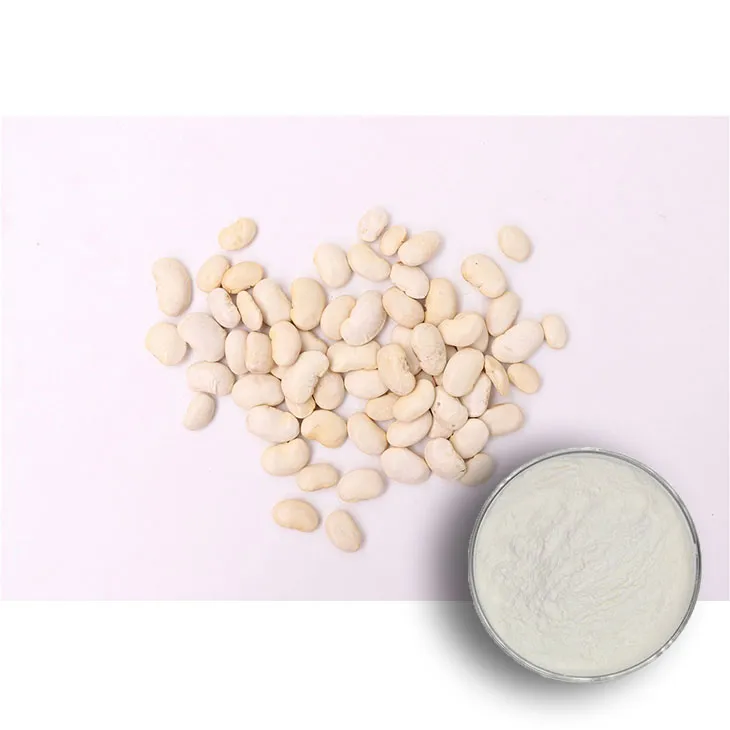
Different varieties of kidney beans may have slightly different chemical compositions. Therefore, it is important to choose the appropriate variety according to the intended use of the extract powder. For example, some varieties may be more suitable for applications in weight - loss products, while others may be better for diabetes management.
2.3. Safety Testing
Before using kidney beans in the production process, strict safety testing must be carried out.
- Testing for pesticide residues is crucial. The use of pesticides in agricultural production is common, but excessive pesticide residues can pose a risk to human health. Sophisticated detection methods should be employed to ensure that the pesticide residue levels in kidney beans are within the allowable range.
- Heavy metal detection is also essential. Kidney beans may absorb heavy metals from the soil during their growth. High levels of heavy metals such as lead, mercury, and cadmium can have toxic effects on the human body. Regular monitoring of heavy metal content helps to guarantee the safety of the raw materials.
3. Extraction Techniques
Once the raw materials have been carefully selected, the next step is to extract the effective components from the kidney beans. There are several extraction techniques available, with solvent extraction and super - critical fluid extraction being two commonly used methods.
3.1. Solvent Extraction
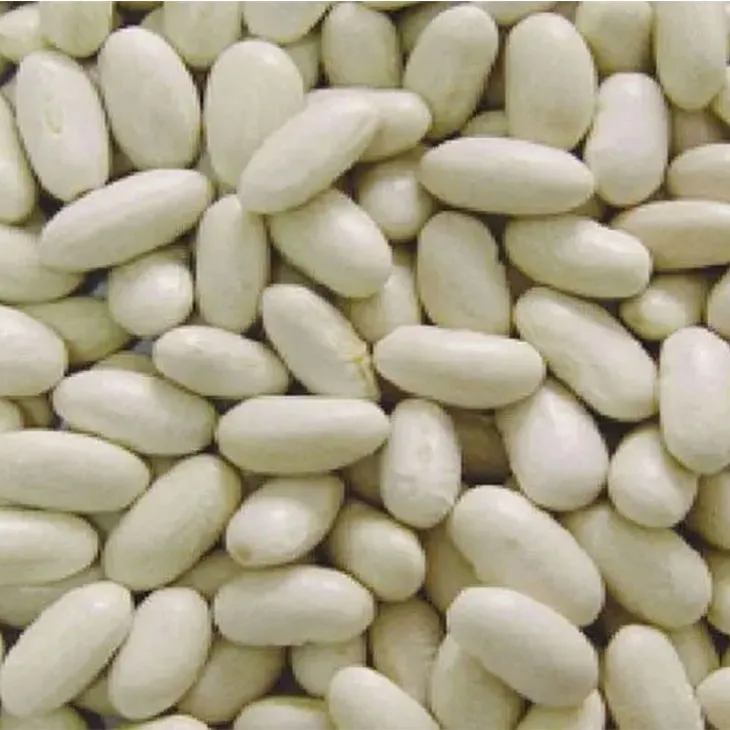
Solvent extraction is a traditional and widely used method.
- Selection of solvents: Different solvents can be used depending on the nature of the target components. For example, ethanol is a commonly used solvent as it is relatively safe and can effectively extract many bioactive compounds from kidney beans. However, the choice of solvent also needs to consider factors such as cost, solubility, and environmental impact.
- Extraction process: In the solvent extraction process, kidney beans are usually ground into a fine powder first to increase the surface area for extraction. Then, the powder is mixed with the solvent in a suitable ratio and stirred for a certain period of time. This allows the solvent to penetrate into the bean powder and dissolve the target components. After that, the mixture is filtered to separate the extract from the solid residue.
- Advantages and disadvantages: The advantage of solvent extraction is its relatively simple operation and wide applicability. It can be used to extract a variety of components. However, the disadvantage is that some solvents may leave residues in the extract, which may require additional purification steps. Also, the extraction efficiency may not be as high as some other advanced methods.
3.2. Super - critical Fluid Extraction
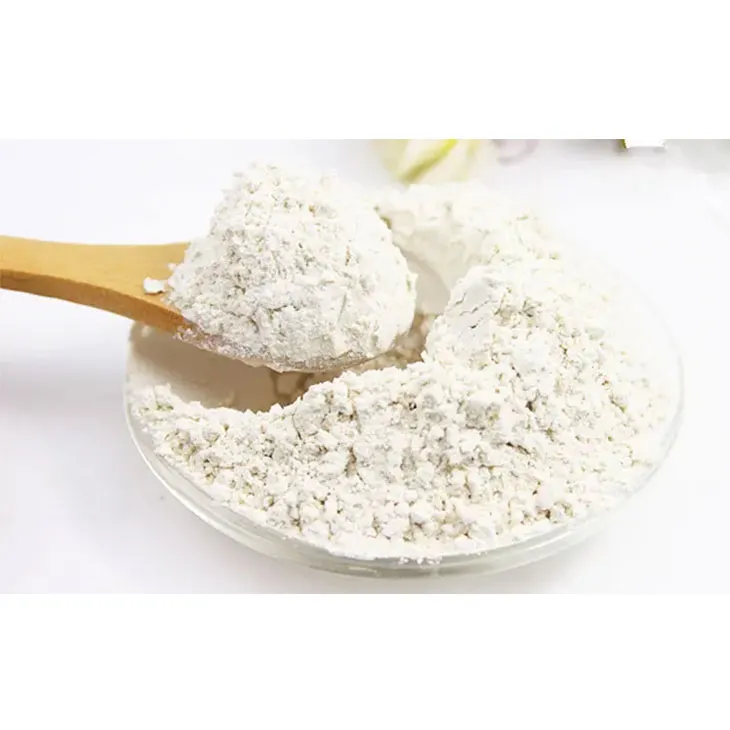
Super - critical fluid extraction is a more advanced extraction technique.
- Principle: Super - critical fluids have properties between those of gases and liquids. For example, carbon dioxide can be used as a super - critical fluid. When carbon dioxide is in its super - critical state, it has high diffusivity and low viscosity, which enables it to penetrate into the kidney bean matrix more easily and extract the target components effectively.
- Extraction process: The kidney beans are placed in an extraction vessel, and the super - critical fluid is pumped into the vessel at a specific pressure and temperature. After the extraction is completed, the pressure is reduced to separate the super - critical fluid from the extract, and the extract is collected.
- Advantages and disadvantages: The main advantage of super - critical fluid extraction is that it is a relatively "clean" extraction method. Since carbon dioxide is non - toxic, non - flammable, and leaves no harmful residues in the extract, it is very suitable for applications in the food and pharmaceutical industries. Moreover, it can achieve high - quality extraction with relatively high extraction efficiency. However, the equipment for super - critical fluid extraction is relatively expensive, and the operation requires certain technical expertise.
4. Fine Sieving to Reach 80 - 100 Mesh Standard
After obtaining the extract through extraction techniques, the next important step is to carry out fine sieving to ensure that the powder reaches the 80 - 100 mesh standard.
4.1. Purpose of Sieving
The sieving process serves multiple purposes.
- Uniform particle size: By sieving, the particles in the Kidney Bean Extract powder can be made more uniform. This is important for the subsequent processing and application of the powder. For example, in the formulation of functional foods, a uniform particle size can ensure better mixing with other ingredients.
- Removal of impurities: Sieving can also help to remove any remaining large particles or impurities in the extract. This can improve the purity of the final product and ensure its quality.
4.2. Sieving Equipment and Process
Specialized sieving equipment is used for this process.
- The sieving equipment usually consists of a sieve mesh with a specific pore size. For the 80 - 100 mesh standard, the pore size of the sieve mesh is carefully selected to allow particles within the desired size range to pass through while retaining larger particles. The powder is placed on the sieve mesh and shaken or vibrated gently to facilitate the sieving process.
- During the sieving process, it is important to control the sieving time and intensity. Insufficient sieving may result in a powder that does not meet the particle size standard, while excessive sieving may cause unnecessary loss of the powder.
5. Quality Control and Detection
Quality control and detection are critical aspects of the production of 80 - 100 mesh Kidney Bean Extract powder. This ensures that the final product meets the required quality standards and is safe for consumption.
5.1. Component Analysis
Component analysis helps to determine the chemical composition of the extract powder.
- Identification of bioactive compounds: Through techniques such as high - performance liquid chromatography (HPLC) and gas chromatography - mass spectrometry (GC - MS), the presence and quantity of bioactive compounds in the Kidney Bean Extract powder can be determined. These bioactive compounds may include proteins, peptides, flavonoids, and phenolic compounds, which are responsible for the potential health - promoting effects of the powder.
- Ensuring consistency: Regular component analysis also helps to ensure the consistency of the product. Variations in the chemical composition of different batches of powder can affect its performance and efficacy. By monitoring the composition, any deviations can be detected and corrected in a timely manner.
5.2. Microbial Detection
Microbial contamination can pose a serious threat to the safety of the product.
- Testing for bacteria, fungi, and yeasts: Standard microbiological testing methods are used to detect the presence of bacteria, fungi, and yeasts in the Kidney Bean Extract powder. Common testing includes total plate count, which measures the overall number of viable microorganisms in the sample, and specific tests for pathogenic microorganisms such as Salmonella and Escherichia coli.
- Sanitation and prevention: If microbial contamination is detected, appropriate measures need to be taken to eliminate the contaminants and prevent future contamination. This may involve improving the production environment, sterilizing raw materials and equipment, and implementing strict hygiene practices.
5.3. Stability Detection
Stability detection is necessary to ensure that the Kidney Bean Extract powder maintains its quality over time.
- Physical stability: Physical stability tests include observing the powder for any signs of caking, agglomeration, or changes in particle size during storage. These changes can affect the flowability and dispersibility of the powder, which are important properties for its application in various products.
- Chemical stability: Chemical stability is also crucial. The powder may be subject to chemical reactions such as oxidation and hydrolysis during storage. Tests are carried out to monitor the stability of the bioactive compounds in the powder. For example, the antioxidant activity of the powder may be measured over time to assess its chemical stability.
6. Application Prospects
The 80 - 100 mesh Kidney Bean Extract powder has broad application prospects in various fields.
6.1. Weight - loss
Some components in Kidney Bean Extract powder may play a role in weight - loss.
- Appetite suppression: Certain compounds in the powder may act on the body's appetite - regulating mechanisms, reducing the feeling of hunger and thus helping to control food intake. This can be beneficial for people who are trying to lose weight.
- Metabolism regulation: The powder may also have an impact on the body's metabolism. It may increase the basal metabolic rate, which means the body burns more calories at rest. Additionally, it may enhance the metabolism of fats, promoting the breakdown and utilization of stored fat.
6.2. Diabetes Management
There are potential benefits of Kidney Bean Extract powder for diabetes management.
- Blood sugar regulation: Some bioactive components in the powder may help to regulate blood sugar levels. They may slow down the absorption of carbohydrates from the digestive tract, preventing rapid spikes in blood sugar after meals. This can be especially helpful for diabetic patients in controlling their blood glucose levels.
- Insulin sensitivity improvement: The powder may also improve insulin sensitivity. Insulin is a hormone that plays a crucial role in regulating blood sugar. By enhancing insulin sensitivity, the body can respond more effectively to insulin, which helps to maintain normal blood sugar levels.
6.3. Functional Food Addition
Kidney Bean Extract powder can be added to various functional foods.
- Nutritional enhancement: It can add nutritional value to foods. For example, it can provide additional proteins, vitamins, and minerals, making the food more nutritious. Moreover, the bioactive compounds in the powder can give the food certain health - promoting functions.
- Product diversification: Adding Kidney Bean Extract powder to functional foods can also diversify the product range. For example, it can be used in the production of health bars, beverages, and dietary supplements, meeting the different needs of consumers.
FAQ:
What are the key factors in selecting high - quality kidney beans for raw materials?
When selecting kidney beans for raw materials, several key factors need to be considered. Firstly, the appearance should be intact without obvious damage or decay. The color should be normal and uniform, which is an indication of freshness. Also, factors such as origin and variety are important. Kidney beans from reliable origins with suitable growing conditions are more likely to be of high quality. In addition, strict checks are made to ensure that the kidney beans are free from contaminants such as pesticides and heavy metals.
How do solvent extraction and super - critical fluid extraction work in obtaining the effective components?
Solvent extraction involves using a suitable solvent to dissolve the effective components from the kidney beans. The solvent penetrates the bean structure and selectively dissolves the desired compounds. Then, through processes like filtration and evaporation, the solvent is removed, leaving behind the extracted components. Super - critical fluid extraction, on the other hand, uses a super - critical fluid, usually carbon dioxide. In its super - critical state, the fluid has properties between a gas and a liquid. It can effectively penetrate the kidney bean matrix and extract the effective components. Once the extraction is complete, the pressure is released, and the super - critical fluid returns to its gaseous state, leaving the pure extract.
What are the main aspects of quality control and detection in the production of Kidney Bean Extract powder?
Quality control and detection in the production of Kidney Bean Extract powder cover multiple aspects. Component analysis is crucial to ensure that the desired effective components are present in the right amounts. Microbial detection is necessary to check for the presence of harmful bacteria, fungi, or other microorganisms. Stability detection is also important to determine how the powder behaves over time, including factors such as shelf - life and resistance to environmental factors. Additionally, physical characteristics such as particle size distribution are also monitored to ensure that the powder meets the 80 - 100 mesh standard.
Why does the Kidney Bean Extract powder have applications in weight - loss?
Kidney Bean Extract powder may have applications in weight - loss due to certain components it contains. Some substances in kidney beans can potentially affect metabolism. For example, they may interfere with the absorption of carbohydrates or increase the feeling of satiety. By reducing the amount of calories absorbed and increasing the sense of fullness, it can contribute to weight - loss efforts. However, more research is still needed to fully understand the mechanisms and effectiveness.
How can the Kidney Bean Extract powder be used in diabetes management?
The Kidney Bean Extract powder may play a role in diabetes management. Some components in it may have an impact on blood sugar levels. They might help regulate insulin sensitivity or glucose metabolism. For example, certain compounds could slow down the digestion and absorption of carbohydrates, thereby preventing rapid spikes in blood sugar. However, it should be noted that it cannot replace medical treatment for diabetes, and more research is required to determine its long - term effects and optimal usage.
Related literature
- The Nutritional and Functional Properties of Kidney Beans: A Review"
- "Extraction Techniques for Bioactive Compounds from Legumes: Focus on Kidney Beans"
- "Kidney Bean Extract in Health and Disease Management: Current Research"


-

Vitamin B6
2024-12-10
-

Mangosteen extract powder
2024-12-10
-

Oyster Peptide
2024-12-10
-

Baicalin
2024-12-10
-

Mango flavored powder
2024-12-10
-

White Willow Bark Extract
2024-12-10
-

White mustard seed extract
2024-12-10
-

Vitamin B9 powder
2024-12-10
-

Apple Vinegar Powder
2024-12-10
-

Epimedium extract powder
2024-12-10