


1. Introduction
Ginseng Root Extract has been widely recognized for its numerous beneficial properties in medicine, cosmetics, and the food industry. High - quality Ginseng Root Extract is crucial for ensuring its efficacy in various applications. This article will comprehensively discuss the production methods of Ginseng Root Extract, including raw material selection, extraction techniques, and purification processes.
2. Raw Material Selection
The first and foremost step in the production of Ginseng Root Extract is the careful selection of raw materials.
2.1. Species of Ginseng
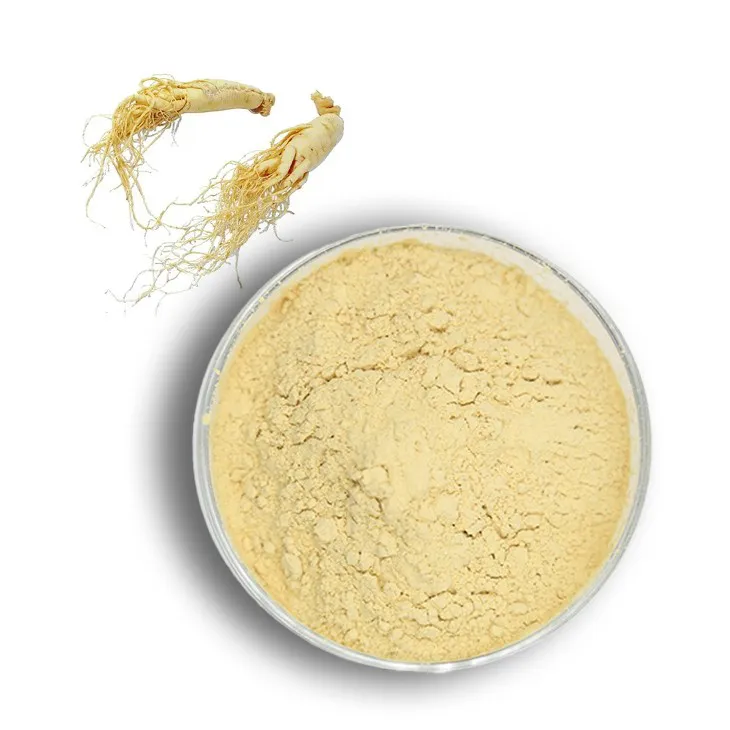
There are different species of ginseng, such as Asian ginseng (Panax ginseng) and American ginseng (Panax quinquefolius). Each species has its own unique chemical composition and properties. Asian ginseng is often associated with more warming and stimulating effects, while American ginseng is considered more cooling. The choice of species depends on the intended use of the extract. For example, in traditional Chinese medicine, Asian ginseng is commonly used for tonifying qi and strengthening the body, so it may be preferred for extracts used in health - promoting products.
2.2. Quality Criteria
When selecting ginseng roots, several quality criteria need to be considered:
- Age of the Root: Older ginseng roots generally contain a higher concentration of active ingredients. Ginseng roots are typically classified by their age, such as 3 - year - old, 5 - year - old, or even older roots. For high - quality extract production, 5 - year - old or older roots are often preferred as they have had more time to accumulate bioactive compounds.
- Appearance: The roots should be intact, without significant damage or decay. A healthy ginseng root has a firm texture and a characteristic shape. Discolored or shriveled roots may indicate poor quality or improper storage.
- Source and Cultivation: Ginseng roots from reliable sources and proper cultivation methods are more likely to ensure quality. Organic cultivation, which avoids the use of synthetic pesticides and fertilizers, is often favored as it can reduce the potential for chemical residues in the extract.
3. Extraction Techniques
Once the high - quality ginseng roots have been selected, the next step is to extract the active ingredients from the roots. There are several common extraction techniques.

3.1. Solvent Extraction
Solvent extraction is one of the most widely used methods in Ginseng Root Extract production.
3.1.1. Ethanol - based Solvent Extraction
- Ethanol is a popular solvent choice due to its ability to dissolve a wide range of bioactive compounds present in ginseng roots. It can effectively extract ginsenosides, which are one of the most important active components in ginseng.
- The process typically involves grinding the dried ginseng roots into a fine powder. This increases the surface area of the roots, allowing for better solvent penetration.
- The powdered ginseng is then soaked in ethanol solution. The concentration of ethanol can vary, but commonly used concentrations are around 70% - 80%. This concentration range is found to be effective in extracting a variety of active ingredients while also maintaining the stability of the extract.
- The mixture is then stirred or shaken for a certain period, usually several hours to days, depending on the scale of production and the desired extraction efficiency. This allows the ethanol to fully interact with the ginseng powder and dissolve the active compounds.
- After the extraction period, the mixture is filtered to separate the liquid extract (containing the dissolved active ingredients) from the solid residue (the remaining ginseng powder). The filtrate is then collected for further processing.
3.1.2. Water - based Solvent Extraction
- Water can also be used as a solvent for Ginseng Root Extraction. Water - based extraction is often considered a more "natural" approach, especially for applications in the food industry where consumers may prefer extracts obtained with minimal use of organic solvents.
- The process is similar to ethanol - based extraction in some aspects. The dried ginseng roots are first ground into powder. Then, the powder is mixed with water at an appropriate ratio.
- The mixture is heated to a certain temperature, usually around 80 - 100°C, to enhance the extraction efficiency. Heating helps to break down the cell walls of the ginseng roots, allowing the water to access and dissolve the active ingredients more easily.
- After heating and stirring for a period (similar to the time frame in ethanol extraction), the mixture is filtered to obtain the water - based extract. However, one drawback of water - based extraction is that it may extract a wider range of substances, including some impurities, compared to ethanol - based extraction. Therefore, additional purification steps may be required.

3.2. Supercritical Fluid Extraction
- Supercritical fluid extraction (SFE) is a relatively advanced extraction technique. In this method, a supercritical fluid, often carbon dioxide (CO₂), is used as the solvent. Carbon dioxide becomes supercritical at certain temperature and pressure conditions (around 31.1°C and 73.8 bar).
- The advantage of using supercritical CO₂ is that it has properties between a gas and a liquid, which allows for high - efficiency extraction while being relatively non - toxic and leaving no solvent residue. It can selectively extract the desired active ingredients from ginseng roots with good precision.
- The process involves placing the ginseng roots in a high - pressure extraction vessel. Supercritical CO₂ is then pumped into the vessel. The active ingredients in the ginseng roots dissolve in the supercritical CO₂. After the extraction, the pressure is reduced, and the CO₂ returns to its gaseous state, leaving behind the concentrated extract.
4. Purification Process
After the extraction, the obtained extract may contain various impurities along with the desired active ingredients. Therefore, a purification process is necessary to obtain a pure and concentrated Ginseng Root Extract.

4.1. Filtration and Centrifugation
- Filtration is often the first step in the purification process. Using different pore - sized filters, larger particles and insoluble impurities can be removed from the extract. For example, a coarse filter may be used first to remove large pieces of ginseng residue, followed by a fine - filter to eliminate smaller particles.
- Centrifugation can also be applied. By spinning the extract at high speeds in a centrifuge, denser particles can be separated from the liquid extract. This helps to further clarify the extract and remove some remaining impurities.
4.2. Chromatographic Purification
- Chromatographic techniques are highly effective for purifying Ginseng Root Extract. One commonly used method is high - performance liquid chromatography (HPLC).
- In HPLC, the extract is passed through a column filled with a stationary phase (such as silica gel or a polymeric resin). Different components in the extract interact differently with the stationary phase based on their chemical properties. As a result, the components are separated as they travel through the column at different rates.
- The desired active ingredients, such as specific ginsenosides, can be selectively collected at the outlet of the column, while impurities are left behind. This allows for a high - degree of purification and concentration of the active components in the extract.
4.3. Evaporation and Concentration
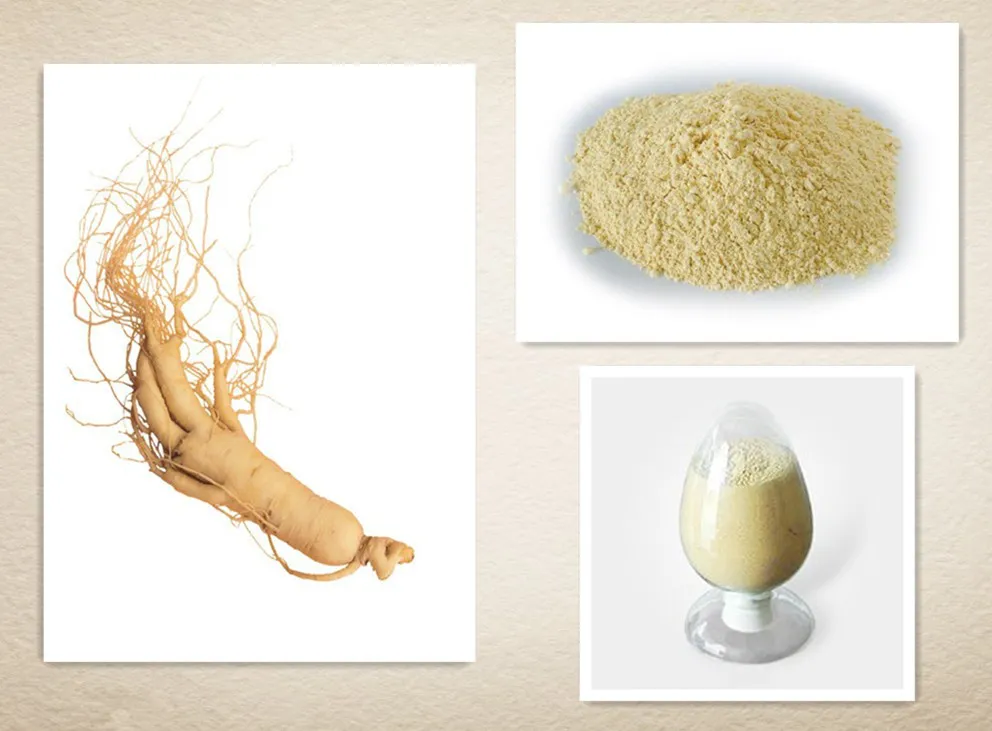
- Evaporation is used to remove the solvent from the extract, leaving behind a more concentrated form of the active ingredients. If ethanol was used as the solvent in the extraction process, the ethanol can be evaporated under reduced pressure at a relatively low temperature. This helps to preserve the activity of the active ingredients while concentrating the extract.
- Concentration can also be achieved through other methods such as membrane filtration with a molecular weight cut - off membrane. This allows the solvent and small - molecular - weight impurities to pass through the membrane while retaining the larger - molecular - weight active ingredients, thereby increasing the concentration of the extract.
5. Conclusion
The production of Ginseng Root Extract involves multiple crucial steps, starting from the careful selection of raw materials, followed by appropriate extraction techniques, and finally, a purification process to ensure the quality and efficacy of the extract. Each step plays an important role in obtaining a high - quality Ginseng Root Extract that can be used in various industries such as medicine, cosmetics, and the food industry. With the continuous development of extraction and purification technologies, it is expected that the production of Ginseng Root Extract will become more efficient and the quality of the extract will be further improved.
FAQ:
What are the key factors in raw material selection for Ginseng Root Extract production?
When selecting raw materials for Ginseng Root Extract production, the quality of ginseng roots is of utmost importance. High - quality ginseng roots should be chosen. This includes factors such as the origin of the ginseng, as different regions may produce ginseng with different qualities. The age of the ginseng root also matters, generally, older roots may contain more active ingredients. Additionally, the root should be free from diseases, pests, and contaminants to ensure the purity and safety of the final extract.
Why are ethanol and water - based solvents commonly used in the extraction of Ginseng Root Extract?
Ethanol and water - based solvents are commonly used in Ginseng Root Extract extraction for several reasons. Ethanol is a good solvent for many of the active compounds present in ginseng roots. It can effectively dissolve components such as ginsenosides. Water - based solvents, on the other hand, are often preferred for their safety and compatibility with subsequent processing steps. They can also selectively extract certain water - soluble components in ginseng roots. Moreover, these solvents are relatively easy to handle and are cost - effective compared to some other solvents.
What is the significance of the purification process in the production of Ginseng Root Extract?
The purification process in the production of Ginseng Root Extract is highly significant. It helps to remove impurities, such as unwanted plant materials, residual solvents, and other contaminants. This results in a pure and concentrated extract. A pure extract ensures that the final product contains a high proportion of the desired active ingredients, such as ginsenosides, which are responsible for the various beneficial effects of Ginseng Root Extract. The purification process also improves the stability and shelf - life of the extract, making it suitable for applications in medicine, cosmetics, and the food industry.
How can the quality of Ginseng Root Extract be ensured during the production process?
To ensure the quality of Ginseng Root Extract during the production process, several measures can be taken. Firstly, strict control over raw material selection, as mentioned before, is essential. During the extraction process, parameters such as solvent concentration, extraction time, and temperature need to be carefully optimized. The purification process should be carried out thoroughly to remove all impurities. Quality control tests, such as analysis of the active ingredient content (e.g., ginsenoside levels), should be performed at different stages of production. Also, compliance with good manufacturing practices (GMP) and relevant regulatory standards helps to ensure the overall quality of the Ginseng Root Extract.
What are the applications of Ginseng Root Extract in the food industry?
In the food industry, Ginseng Root Extract has several applications. It can be used as a natural flavor enhancer, adding a unique and pleasant taste to food products. It may also be added to functional foods and dietary supplements due to its potential health - promoting properties. For example, it can be incorporated into energy bars or drinks to provide an energy - boosting effect. Additionally, Ginseng Root Extract can contribute to the antioxidant properties of food products, helping to preserve their freshness and nutritional value.
Related literature
- Ginseng Root Extract: Production and Quality Control"
- "Advanced Extraction Techniques for Ginseng Root"
- "The Role of Ginseng Root Extract in Cosmetics and Medicine"


-

Epimedium extract powder
2024-12-21
-

Melatonin
2024-12-21
-

Golden Seal Extract
2024-12-21
-

Olive leaf extract
2024-12-21
-

Eucommia Ulmoides Extract
2024-12-21
-

Black Pepper Extract
2024-12-21
-

Fenugreek Extract Powder
2024-12-21
-

Dan Shen Root Extract/Salvia Root Extract
2024-12-21
-

Red Vine Extract
2024-12-21
-

Mango flavored powder
2024-12-21