


1. Introduction
Jujube Extract has gained significant popularity in various industries, including food, medicine, and cosmetics. The unique properties of jujube, such as its rich nutrient content and potential health benefits, make its extract a valuable ingredient. Understanding the production methods of Jujube Extract is crucial for obtaining high - quality and high - purity products that can meet the diverse requirements of different industries.
2. Sourcing of High - Quality Jujube
2.1. Selection Criteria
(i) Variety
There are different varieties of jujube, and each may have slightly different characteristics. For example, some varieties may be more suitable for extraction due to their higher content of certain active ingredients. When sourcing jujube, it is important to consider the variety based on the intended use of the extract.
(ii) Maturity
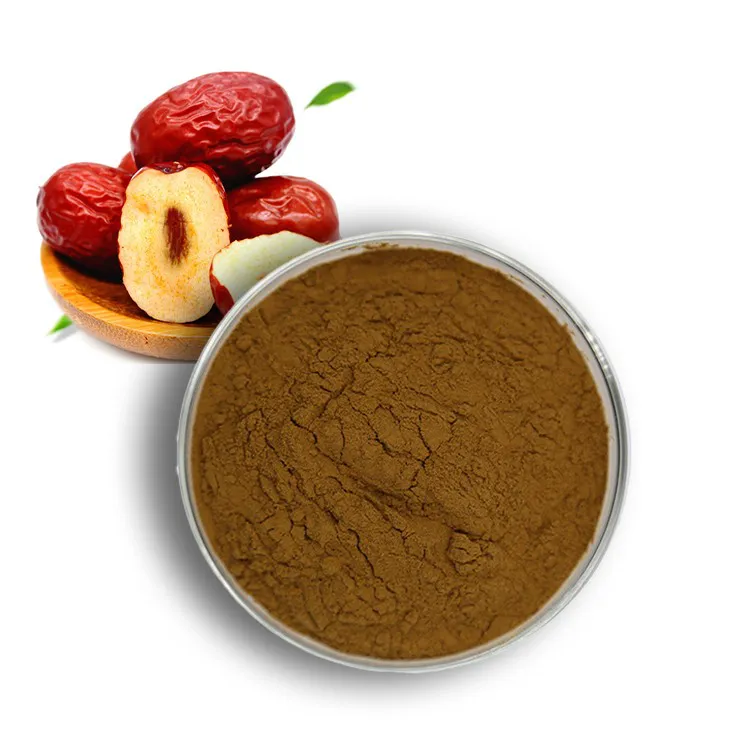
The maturity of jujube also affects the quality of the extract. Ripe jujubes generally have a higher content of sugars, vitamins, and other beneficial compounds. Immature jujubes may lack the full development of these components, which could result in a less - effective extract. Therefore, proper assessment of jujube maturity is essential during sourcing.

(iii) Quality of Growing Conditions
The growing conditions of jujube, such as soil quality, climate, and water availability, can impact its overall quality. Jujube grown in fertile soil with appropriate sunlight and water supply is more likely to produce high - quality fruits. For instance, jujube grown in regions with a suitable climate and well - managed agricultural practices tend to have better - developed flavors and nutrient profiles.
3. Traditional Extraction Methods
3.1. Maceration

(i) Process Description
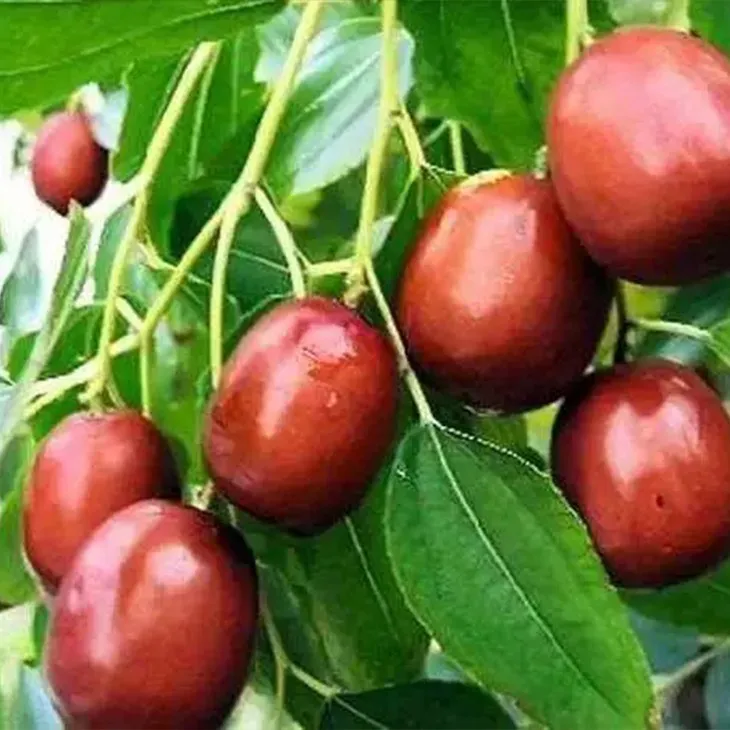
Maceration is one of the traditional methods for extracting Jujube Extract. In this process, the jujube fruits are first crushed or chopped into smaller pieces. Then, they are soaked in a solvent, usually ethanol or water, for a certain period. The solvent penetrates the jujube tissue, dissolving the soluble components such as sugars, vitamins, and phenolic compounds. The longer the maceration time, the more components can be extracted, but there is also a risk of extracting unwanted substances if the time is too long.
(ii) Advantages and Disadvantages
- Advantages: It is a relatively simple and low - cost method. It does not require complex equipment, and it can be carried out on a small scale. It is suitable for traditional or small - scale production of Jujube Extract. - Disadvantages: The extraction efficiency may not be as high as some modern methods. It also takes a relatively long time to complete the extraction process, and the quality of the extract may be affected by factors such as temperature and solvent concentration during the process.
3.2. Percolation(i) Process Description
Percolation involves packing the jujube material in a percolator. A solvent is then slowly passed through the jujube bed. As the solvent percolates through the jujube, it extracts the desired components. The solvent flow rate and the contact time between the solvent and jujube are important factors that affect the extraction efficiency. A proper flow rate can ensure that the solvent has enough time to dissolve the components but not too slow to cause a long - waiting time.
(ii) Advantages and Disadvantages
- Advantages: It can achieve a relatively continuous extraction process compared to maceration. It can also provide a more consistent extraction quality if the parameters are well - controlled. - Disadvantages: It requires a more specialized percolator device. The setup and operation of the percolation process may be more complex than maceration, and it also needs careful control of parameters such as solvent flow rate and percolation time.
4. Modern Extraction Methods
4.1. Ultrasonic - Assisted Extraction
(i) Process Description
Ultrasonic - assisted extraction utilizes ultrasonic waves to enhance the extraction process. The jujube sample is placed in a solvent, and ultrasonic waves are applied. The ultrasonic waves create cavitation bubbles in the solvent. When these bubbles collapse, they generate high - pressure and high - temperature micro - environments, which can break the cell walls of jujube cells more effectively, releasing the intracellular components into the solvent. This method can significantly shorten the extraction time compared to traditional methods.
(ii) Advantages and Disadvantages
- Advantages: It has a high extraction efficiency and can extract a large amount of active ingredients in a short time. It can also be used to extract heat - sensitive components as the ultrasonic process does not generate excessive heat. - Disadvantages: The equipment for ultrasonic - assisted extraction is relatively expensive. It also requires skilled operators to ensure the proper application of ultrasonic waves and avoid over - extraction or damage to the extract components.
4.2. Supercritical Fluid Extraction(i) Process Description
Supercritical fluid extraction uses a supercritical fluid, often carbon dioxide, as the solvent. The supercritical fluid has properties between a gas and a liquid. It can penetrate the jujube matrix more effectively, extracting the target components. The process involves adjusting the pressure and temperature to keep the carbon dioxide in a supercritical state. After the extraction, the pressure is reduced, and the carbon dioxide can be easily separated from the extract, leaving a pure Jujube Extract.
(ii) Advantages and Disadvantages
- Advantages: It is a clean and environmentally friendly extraction method as carbon dioxide is non - toxic and can be easily recycled. It can produce high - purity extracts with a relatively high extraction efficiency. - Disadvantages: The equipment for supercritical fluid extraction is very expensive and requires high - pressure operation. It also has strict requirements for the quality of the raw materials and the control of extraction parameters.
5. Optimization of the Production Process
5.1. Parameter Selection
(i) Solvent Selection and Concentration
The choice of solvent and its concentration play a crucial role in the extraction process. For example, ethanol - water mixtures with different ratios may be used depending on the solubility of the target components. A higher ethanol concentration may be more suitable for extracting hydrophobic components, while a lower concentration may be better for hydrophilic components. The solvent should also be selected considering its safety, cost, and environmental impact.
(ii) Temperature and Time Control
Controlling the temperature and extraction time is essential for obtaining high - quality extracts. In traditional methods like maceration, a suitable temperature range needs to be maintained to ensure the solubility of components without causing degradation. In modern methods such as ultrasonic - assisted extraction, although the process is relatively fast, the temperature may still increase due to the energy input, and proper cooling measures may be required. The extraction time should be optimized to balance the extraction efficiency and the quality of the extract.
(iii) Particle Size of Jujube Material
The particle size of the jujube material also affects the extraction process. Smaller particle sizes generally have a larger surface area, which can increase the contact area between the jujube and the solvent, thus enhancing the extraction efficiency. However, if the particle size is too small, it may cause problems such as clogging in some extraction devices. Therefore, an appropriate particle size needs to be determined based on the specific extraction method.
5.2. Quality Control(i) Purity Analysis
To ensure the high - purity of the Jujube Extract, purity analysis is necessary. This can be done through methods such as chromatography (e.g., high - performance liquid chromatography, HPLC). HPLC can separate and quantify the different components in the extract, allowing the determination of the purity of the target components and the detection of any impurities.
(ii) Activity Testing
Since Jujube Extract is often used for its potential health benefits in medicine and functional food applications, activity testing is important. This can involve in - vitro assays to test the antioxidant, antibacterial, or other biological activities of the extract. For example, antioxidant activity can be measured using methods like DPPH (2,2 - diphenyl - 1 - picrylhydrazyl) radical scavenging assay.
6. Applications of Jujube Extract in Different Industries
6.1. Food Industry
(i) Flavor and Nutrition Enhancement
In the food industry, Jujube Extract can be used to enhance the flavor of products. Its natural sweet and fruity flavor can add a unique taste to food items such as beverages, baked goods, and confectionery. Moreover, it also provides additional nutritional value as it contains vitamins, minerals, and other beneficial compounds. For example, Jujube Extract can be added to energy bars to provide a natural source of energy and improve the overall nutritional profile.
(ii) Preservation
Jujube Extract has antioxidant properties, which can be utilized for food preservation. It can help prevent the oxidation of fats and oils in food products, thereby extending their shelf life. In addition, it may also have antimicrobial effects, which can inhibit the growth of spoilage microorganisms in food.
6.2. Medicine Industry(i) Traditional Medicine Applications
In traditional medicine, jujube has been used for various health purposes. Jujube Extract can be formulated into traditional medicine preparations such as decoctions or tinctures. It is believed to have effects on improving digestion, enhancing immunity, and relieving stress. For example, in some traditional Chinese medicine formulas, jujube is an important ingredient for treating digestive disorders.
(ii) Modern Medicine Research
Modern medicine research is also exploring the potential of Jujube Extract in treating various diseases. Some studies have shown that the phenolic compounds in Jujube Extract may have anti - cancer properties. Others have investigated its potential role in treating diabetes or cardiovascular diseases. However, more in - vivo and clinical studies are still needed to fully understand its therapeutic effects and mechanisms.
6.3. Cosmetics Industry(i) Skin Care
In the cosmetics industry, Jujube Extract is used in skin care products. Its antioxidant and moisturizing properties make it suitable for anti - aging and skin - hydration applications. Jujube Extract can be added to creams, lotions, and serums to protect the skin from free radical damage and improve skin elasticity. For example, some high - end anti - aging creams contain Jujube Extract as a key ingredient.
(ii) Hair Care
Jujube Extract can also be used in hair care products. It may help strengthen the hair follicles, prevent hair loss, and improve the overall health of the hair. For instance, it can be incorporated into shampoos or hair conditioners to provide nourishment to the hair.
7. Conclusion
The production of Jujube Extract involves a range of methods, from traditional maceration and percolation to modern ultrasonic - assisted and supercritical fluid extraction. Each method has its own advantages and disadvantages. By carefully sourcing high - quality jujube and optimizing the production process through proper parameter selection and quality control, high - purity and high - quality Jujube Extract can be obtained. This extract has wide - ranging applications in the food, medicine, and cosmetics industries, offering unique benefits in terms of flavor, nutrition, health, and beauty.
FAQ:
Q1: What are the main traditional production methods of Jujube Extract?
The main traditional production methods of Jujube Extract include maceration and percolation. Maceration involves soaking the jujube in a solvent for a certain period to allow the active components to dissolve into the solvent. Percolation is a process where the solvent slowly passes through the bed of jujube material, extracting the desired substances.
Q2: How does ultrasonic - assisted extraction work in Jujube Extract production?
Ultrasonic - assisted extraction uses ultrasonic waves to create cavitation bubbles in the solvent. When these bubbles collapse, they generate high - intensity shock waves and micro - jets that can disrupt the cell walls of the jujube. This helps in better release of the active components into the solvent, resulting in a more efficient extraction process compared to traditional methods.
Q3: Why is high - quality jujube sourcing important for Jujube Extract production?
High - quality jujube sourcing is crucial for Jujube Extract production. High - quality jujubes contain a higher concentration of the desired active components such as vitamins, minerals, and bioactive compounds. If the source is of poor quality, the resulting extract may have lower potency, purity, and may not be suitable for applications in industries like food, medicine, and cosmetics.
Q4: How can the production process be optimized to obtain high - purity Jujube Extract?
To optimize the production process for high - purity Jujube Extract, several factors can be considered. Firstly, proper selection of extraction method based on the nature of the active components is important. For example, ultrasonic - assisted extraction may be better for some heat - sensitive compounds. Secondly, careful control of extraction parameters such as temperature, time, and solvent - to - jujube ratio is necessary. Additionally, purification steps like filtration and chromatography can be incorporated to remove impurities and increase the purity of the extract.
Q5: What are the applications of Jujube Extract in the food industry?
In the food industry, Jujube Extract can be used as a natural flavor enhancer, providing a sweet and unique taste. It can also be used as a natural preservative due to its antioxidant properties. Moreover, it can be added to various food products like baked goods, beverages, and confectioneries to add nutritional value as it contains vitamins and minerals.
Q6: What are the challenges in modern Jujube Extract production?
Some of the challenges in modern Jujube Extract production include ensuring consistent quality of the source jujubes, optimizing extraction efficiency while minimizing cost, and meeting the strict regulatory requirements for different industries. Also, finding the most suitable extraction method for different active components and dealing with potential contamination during the production process are challenges.
Related literature
- Optimization of Jujube Extract Production: A Review"
- "Traditional and Modern Extraction Techniques for Jujube - based Products"
- "Jujube Extract: Quality Assurance in Production for Food and Pharmaceutical Applications"


-

Eucommia Ulmoides Extract
2024-12-13
-

Natural grape seed extract
2024-12-13
-

Fig Extract
2024-12-13
-

Yellow Pine Extract
2024-12-13
-

Peppermint Oil
2024-12-13
-

Saponin Extract
2024-12-13
-

Olive leaf extract
2024-12-13
-

Rutin
2024-12-13
-

Wheat Germ Extract
2024-12-13
-

Maitake Mushroom Extract
2024-12-13