


1. Introduction
Rosehip extract has been increasingly popular in various industries. It is rich in vitamins, antioxidants, and other valuable substances, which make it a highly desirable ingredient in cosmetics, pharmaceuticals, and dietary supplements. Understanding the production methods of Rose Hip Extract is crucial for ensuring its quality and efficacy.
2. Selection of Rosehips
The first step in the production of Rose Hip Extract is the careful selection of high - quality rosehips. This is a very important process as the quality of the raw material directly affects the quality of the final extract.
2.1 Source regions
Rosehips are usually sourced from regions where roses are cultivated abundantly. These regions often have favorable climatic conditions for the growth of roses, which in turn results in high - quality rosehips. For example, some areas in South America and Europe are known for their excellent rose cultivation, and thus are major sources of rosehips for extract production.
2.2 Quality criteria
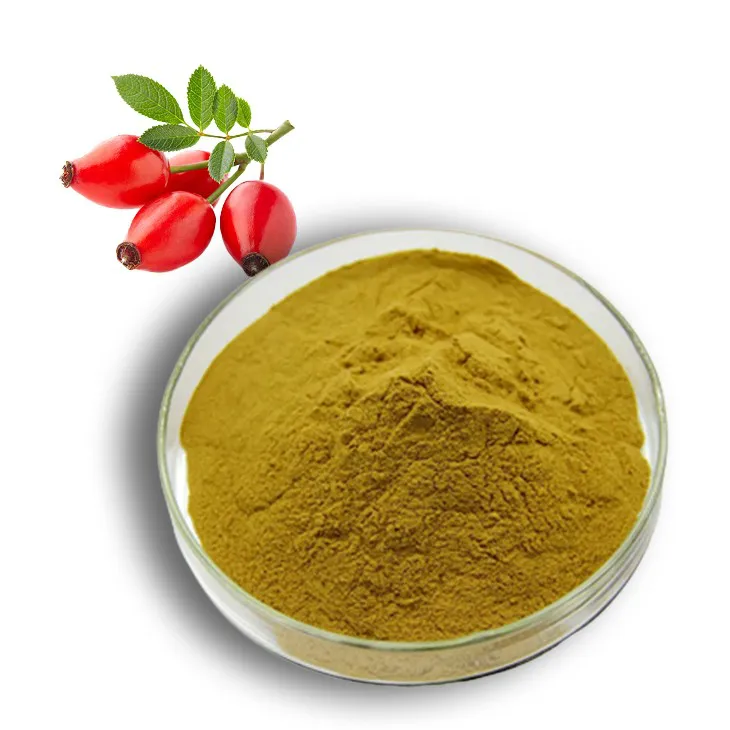
When selecting rosehips, several quality criteria need to be considered. The rosehips should be fully ripe, as this is when they contain the highest levels of beneficial compounds. They should also be free from any signs of disease or pest damage. Additionally, the size and shape of the rosehips can also be indicators of their quality, with larger and more evenly - shaped rosehips generally being preferred.
3. Washing of Rosehips
After selection, the rosehips are thoroughly washed to remove any dirt or impurities. This is an essential step as any remaining dirt or impurities can contaminate the extract and affect its quality.

3.1 Water quality
The water used for washing should be clean and preferably of drinking water quality. Contaminated water can introduce harmful substances into the rosehips, which will then be present in the extract. Therefore, in a commercial production setting, filtered or purified water is often used for this purpose.
3.2 Washing techniques
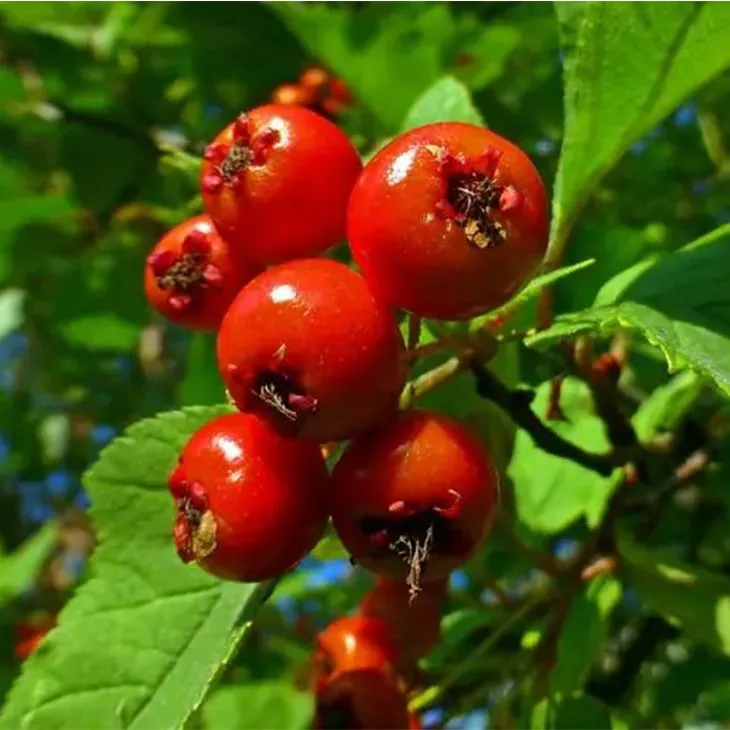
There are different techniques for washing rosehips. One common method is to gently agitate the rosehips in a container filled with water. This helps to dislodge any dirt particles that may be stuck to the surface of the rosehips. Another method is to use a gentle spray of water to wash the rosehips, which can be more effective for removing stubborn dirt. After washing, the rosehips are usually drained to remove excess water.
4. Drying of Rosehips
Once the rosehips are washed, they can be dried either under natural sunlight or in specialized drying equipment. Drying is important as it helps in preserving the active compounds present in the rosehips.
4.1 Natural sunlight drying
Drying rosehips under natural sunlight is a traditional method. It is a cost - effective option, especially for small - scale production. However, there are some limitations. The drying process is dependent on the weather conditions, and it may take a relatively long time. Also, there is a risk of contamination from dust, insects, or other environmental factors. To minimize these risks, the rosehips are often spread out on clean trays or mats in a well - ventilated area. They need to be turned regularly to ensure even drying.
4.2 Specialized drying equipment
For larger - scale production, specialized drying equipment such as dehydrators or drying ovens are often used. These devices can control the drying temperature, humidity, and air circulation, which results in more consistent and efficient drying. The drying temperature is usually set within a specific range to avoid overheating and damaging the active compounds in the rosehips. For example, a temperature range of 40 - 60 degrees Celsius is often considered suitable for drying rosehips. Using specialized equipment also reduces the risk of contamination compared to natural sunlight drying.
5. Grinding of Dried Rosehips
Once dried, the rosehips are ground into a fine powder. This powder is then used as the starting material for the extraction process.
5.1 Grinding equipment
There are various types of grinding equipment that can be used for this purpose. A common type is a grinder or a mill. These devices can break down the dried rosehips into a fine powder. The choice of grinding equipment depends on the scale of production. For small - scale production, a simple manual grinder may be sufficient, while for large - scale production, industrial - grade mills are usually required. The grinding process should be carried out carefully to ensure that the powder is of a consistent fineness.
5.2 Particle size control
The particle size of the ground rosehip powder is an important factor. A finer powder generally results in more efficient extraction, as it provides a larger surface area for the extraction solvent to interact with the active compounds. However, if the powder is too fine, it may cause problems such as clogging during the extraction process. Therefore, it is necessary to control the particle size within an appropriate range. This can be achieved by adjusting the settings of the grinding equipment or by using sieves to separate the powder into different particle size fractions.
6. Extraction of Rosehip Powder
The ground rosehip powder can then be subjected to different extraction techniques to obtain the rosehip extract.
6.1 Solvent extraction
One of the most commonly used extraction methods is solvent extraction, where suitable solvents like ethanol are used to extract the beneficial components from the rosehip powder.
6.1.1 Solvent selection
The choice of solvent is crucial in solvent extraction. Ethanol is a popular choice because it is relatively safe, effective in extracting a wide range of compounds, and is also acceptable for use in products such as cosmetics and dietary supplements. However, other solvents such as methanol or ethyl acetate can also be used depending on the specific requirements of the extraction. The solvent should have a good affinity for the active compounds in the rosehip powder and should be easily removable after the extraction process.
6.1.2 Extraction process
In the solvent extraction process, the rosehip powder is usually mixed with the solvent in a specific ratio. For example, a ratio of 1:5 (rosehip powder:solvent) may be used. The mixture is then stirred or shaken for a certain period of time, usually several hours to overnight, to allow the solvent to fully penetrate the powder and extract the active compounds. After that, the mixture is filtered to separate the extract (which contains the dissolved active compounds) from the remaining solid residue. The solvent in the extract can then be removed through evaporation, usually under reduced pressure, to obtain the concentrated rosehip extract.
6.2 Supercritical fluid extraction
Another method is supercritical fluid extraction which offers a more environmentally - friendly and efficient way to obtain the extract.
6.2.1 Principle of supercritical fluid extraction
Supercritical fluid extraction utilizes the properties of a supercritical fluid, which is a substance that is above its critical temperature and pressure. In the case of rosehip extract production, carbon dioxide is often used as the supercritical fluid. Supercritical carbon dioxide has properties similar to both a gas and a liquid. It can penetrate the rosehip powder easily like a gas, and at the same time, it can dissolve the active compounds like a liquid. This makes it an excellent medium for extraction.
6.2.2 Advantages of supercritical fluid extraction
There are several advantages of supercritical fluid extraction over solvent extraction. Firstly, it is a more environmentally - friendly method as carbon dioxide is a non - toxic and non - flammable gas. Secondly, it can provide a more pure extract as it can selectively extract the desired compounds. Thirdly, the extraction process can be carried out at relatively low temperatures, which helps to preserve the integrity of the active compounds. However, supercritical fluid extraction equipment is relatively expensive, which may limit its use in small - scale production.
7. Conclusion
Through these production methods, rosehip extract rich in vitamins, antioxidants and other valuable substances can be obtained for use in cosmetics, pharmaceuticals and dietary supplements. Each step in the production process, from the selection of rosehips to the extraction method, plays an important role in determining the quality and composition of the final extract. As the demand for rosehip extract continues to grow, further research and development in production methods may lead to more efficient and sustainable production processes in the future.
FAQ:
What are the key steps in the production of Rose Hip Extract?
The key steps include carefully selecting high - quality rosehips from regions with abundant rose cultivation, thoroughly washing them to remove dirt and impurities, drying them either under natural sunlight or in specialized drying equipment, grinding the dried rosehips into a fine powder, and then using extraction techniques such as solvent extraction (with ethanol, for example) or supercritical fluid extraction.
Why is drying an important step in the production of Rose Hip Extract?
Drying is important because it helps in preserving the active compounds in the rosehips, which are valuable for the final extract.
What solvents can be used in solvent extraction for Rose Hip Extract?
Ethanol is a suitable solvent that can be used in solvent extraction for Rose Hip Extract.
What is the advantage of supercritical fluid extraction in Rose Hip Extract production?
The advantage of supercritical fluid extraction in Rose Hip Extract production is that it is a more environmentally - friendly and efficient way to obtain the extract.
In which industries can Rose Hip Extract be used?
Rose Hip Extract can be used in cosmetics, pharmaceuticals and dietary supplements.
Related literature
- Rosehip Extract: Production and Applications in the Cosmetic Industry"
- "The Production of Rose Hip Extract: A Review of Modern Techniques"
- "Rose Hip Extract: From Production to Therapeutic Use"


-

Sophora Japonica Flower Extract
2024-12-17
-

D-Mannose
2024-12-17
-

Black Garlic Extract
2024-12-17
-

L-Arginine alpha-ketoglutarate
2024-12-17
-

Red Date Extract
2024-12-17
-

Cactus Extract
2024-12-17
-

Purple Sweet Potato Extract
2024-12-17
-

Maitake Mushroom Extract
2024-12-17
-

Kupilu Extract
2024-12-17
-

Grapefruit Seed Extract Powder
2024-12-17