


1. Introduction
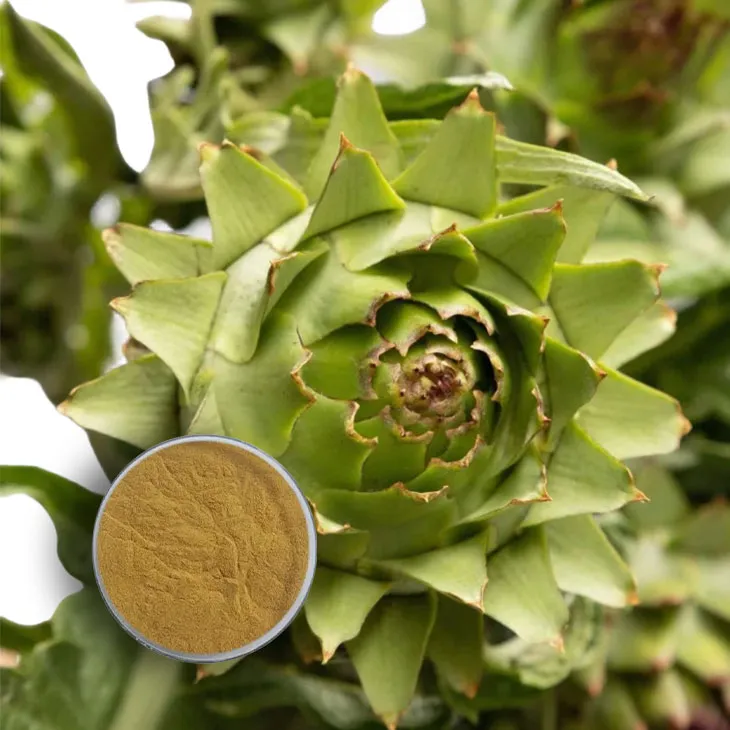
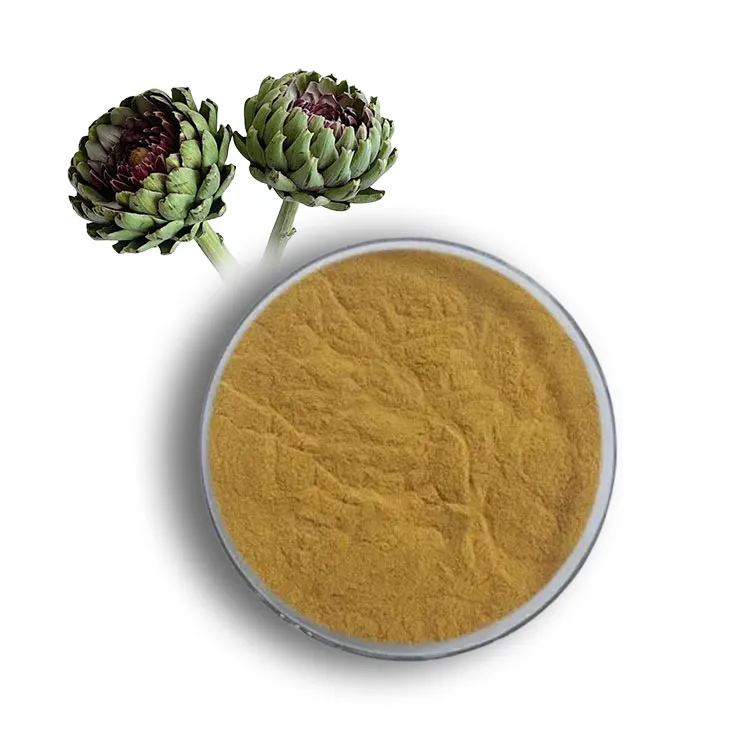
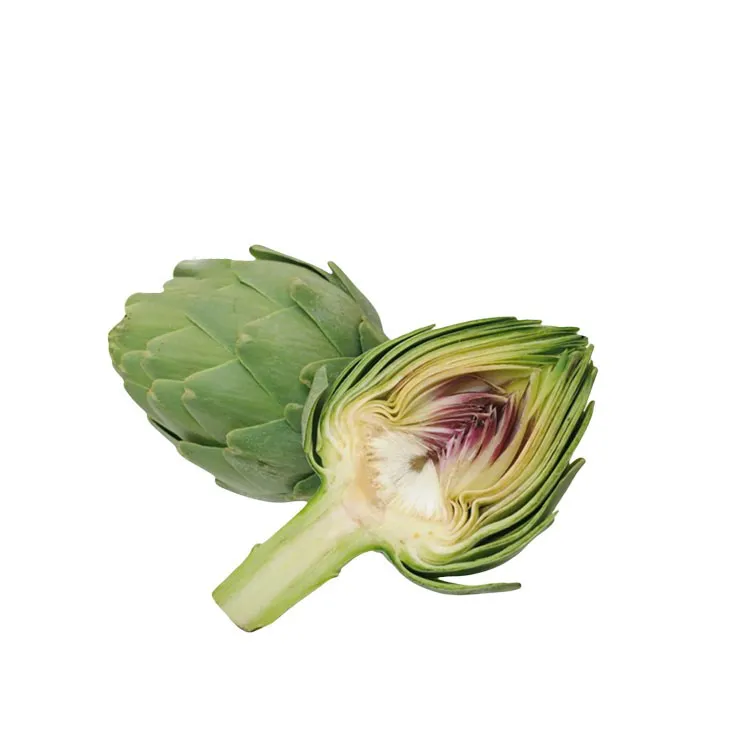
Chicory (Cichorium intybus) is a plant that has been used for various purposes for centuries. Its leaves are a rich source of bioactive compounds, making chicory leaf extract a valuable ingredient in many industries, such as the food, pharmaceutical, and cosmetic industries. Reducing the particle size of chicory leaf extract is a crucial step in its professional processing, which has far - reaching implications for its quality and efficacy.
2. Significance of Particle Size Reduction
2.1 Enhanced Bioavailability
Bioavailability refers to the proportion of a drug or other substance that enters the circulation when introduced into the body and so is able to have an active effect. When the particle size of chicory leaf extract is reduced:
- It increases the surface area of the particles. This allows for better interaction with the digestive enzymes in the gastrointestinal tract in the case of oral ingestion. For example, smaller particles can be more easily digested and absorbed, leading to a higher amount of the bioactive compounds from the extract reaching the bloodstream.
- In the case of topical applications in the cosmetic industry, smaller particles can penetrate the skin more effectively. This is because they can more easily pass through the pores and the lipid bilayers of the skin cells, delivering the beneficial compounds of the chicory leaf extract to the deeper layers of the skin where they can exert their effects, such as antioxidant or anti - inflammatory effects.
2.2 Improved Extraction Efficiency
Extraction efficiency is another important aspect related to particle size reduction.
- During the extraction process of chicory leaf extract, smaller particles provide a larger contact area with the solvent. This means that the solvent can more effectively dissolve the bioactive compounds from the chicory leaves. For instance, if the extraction solvent is ethanol, smaller particles of chicory leaves will allow the ethanol to access and dissolve the desired compounds more thoroughly, resulting in a higher yield of the extract.
- It also reduces the extraction time. Since the solvent can interact more rapidly with the smaller particles, the overall extraction process can be completed more quickly. This not only saves time but also reduces the cost associated with the extraction process, making it more economically viable for large - scale production.
2.3 Better Quality Control
Quality control is essential in the production of chicory leaf extract.
- Reducing particle size allows for more uniform extraction. This means that the composition of the extract will be more consistent from batch to batch. In the food industry, for example, this consistency is crucial for ensuring the taste and nutritional value of products that contain chicory leaf extract. If the particle size is not well - controlled, there may be variations in the extraction, leading to differences in the flavor and efficacy of the extract - containing products.
- It also enables better purification of the extract. Smaller particles can be more easily separated from impurities during the purification steps. For example, in chromatographic purification methods, smaller particles of the extract can be more precisely separated from unwanted substances, resulting in a purer and higher - quality chicory leaf extract.
3. Methods of Particle Size Reduction
3.1 Mechanical Milling
Mechanical milling is one of the most common methods used for reducing the particle size of chicory leaf extract.
- Ball milling is a type of mechanical milling. In this process, small balls (usually made of steel or ceramic) are placed in a mill along with the chicory leaf extract. As the mill rotates, the balls collide with the extract particles, breaking them into smaller pieces. This method is effective for reducing the particle size to a relatively fine level. However, one drawback is that it may generate heat during the milling process, which could potentially affect the stability of the bioactive compounds in the extract. To overcome this, cooling systems can be incorporated into the ball milling setup.
- Hammer milling is another option. In a hammer mill, rapidly rotating hammers strike the chicory leaf extract, shattering it into smaller particles. This method is suitable for larger - scale production as it can handle a relatively large amount of material at a time. But similar to ball milling, it may cause some mechanical stress on the bioactive compounds, which requires careful control of the milling parameters such as the speed of the hammers and the duration of milling.
3.2 Micronization
Micronization is a more advanced method for particle size reduction.
- One common micronization technique is jet milling. In jet milling, high - velocity jets of gas (usually compressed air) are directed at the chicory leaf extract. The force of the gas jets causes the particles to collide with each other and break into smaller sizes. Jet milling can produce very fine particles, often in the micron or even sub - micron range. This is highly beneficial for applications where extremely small particle sizes are required, such as in some high - end cosmetic formulations or for the preparation of certain pharmaceutical dosage forms.
- Another approach is ultrasonic micronization. Ultrasonic waves are applied to the chicory leaf extract, creating cavitation bubbles. When these bubbles collapse, they generate intense local forces that break the particles into smaller sizes. Ultrasonic micronization is a relatively gentle method compared to mechanical milling, which can be advantageous for preserving the integrity of the bioactive compounds in the extract. However, it may have a lower throughput compared to some of the mechanical milling methods and may be more suitable for small - scale production or laboratory - scale research.
4. Factors Affecting Particle Size Reduction
4.1 Starting Material Characteristics
The characteristics of the starting chicory leaves play an important role in particle size reduction.
- The moisture content of the leaves is a significant factor. If the leaves have a high moisture content, they may be more difficult to mill or micronize effectively. High moisture can cause the particles to clump together during the process, resulting in less efficient particle size reduction. Therefore, it is often necessary to dry the chicory leaves to an appropriate moisture level before subjecting them to particle size reduction processes.
- The hardness and texture of the leaves also matter. For example, if the leaves are tough and fibrous, they may require more intense milling or micronization methods to achieve the desired particle size. On the other hand, if the leaves are relatively soft, the particle size reduction process may be more straightforward, but care must still be taken to avoid over - processing, which could damage the bioactive compounds.
4.2 Processing Parameters
Processing parameters have a direct impact on the effectiveness of particle size reduction.
- For mechanical milling methods, the rotational speed of the mill (in the case of ball milling or hammer milling) is crucial. A higher rotational speed may lead to faster particle size reduction, but it also increases the risk of generating excessive heat and mechanical stress on the extract. Therefore, an optimal rotational speed needs to be determined based on the specific characteristics of the chicory leaf extract and the type of mill being used.
- In micronization processes, the pressure of the gas jets (in jet milling) or the intensity of the ultrasonic waves (in ultrasonic micronization) are important parameters. Higher gas pressure or ultrasonic intensity can produce smaller particles, but again, these need to be carefully adjusted to avoid damaging the bioactive compounds and to ensure the economic viability of the process.
- The duration of the particle size reduction process is also a key factor. Longer processing times may result in smaller particle sizes, but they may also increase the likelihood of degradation of the bioactive compounds. Thus, a balance needs to be struck between achieving the desired particle size and maintaining the quality of the extract.
5. Applications of Reduced - Particle - Size Chicory Leaf Extract
5.1 Food Industry
In the food industry, reduced - particle - size chicory leaf extract has numerous applications.
- It can be used as a natural flavor enhancer. Due to its enhanced bioavailability, the extract can more effectively contribute to the flavor profile of food products. For example, it can add a slightly bitter and earthy flavor to certain beverages or baked goods, which is characteristic of chicory.
- As a source of dietary fiber, the extract can be incorporated into functional foods. The reduced particle size allows for better dispersion in the food matrix, providing a more uniform texture and improving the mouthfeel of the product. Additionally, the bioactive compounds in the extract, such as polyphenols, can offer antioxidant and other health - promoting properties to the food.
5.2 Pharmaceutical Industry
The pharmaceutical industry also benefits from the use of reduced - particle - size chicory leaf extract.
- It can be formulated into various dosage forms, such as tablets, capsules, or suspensions. The smaller particle size can improve the dissolution rate of the extract in the body, which is crucial for the effectiveness of drugs. For example, in the case of a tablet formulation, faster dissolution means that the bioactive compounds are released more quickly and can start to exert their pharmacological effects sooner.
- Chicory leaf extract has been shown to have potential medicinal properties, such as anti - inflammatory and hypoglycemic effects. The reduced particle size can enhance these effects by increasing the bioavailability of the active compounds, making it a more promising ingredient for the development of new drugs or dietary supplements.
5.3 Cosmetic Industry
In the cosmetic industry, the applications of reduced - particle - size chicory leaf extract are diverse.
- It can be used in skincare products, such as creams, lotions, and serums. The small particles can penetrate the skin more deeply, delivering the antioxidant and anti - inflammatory compounds of the extract to the skin cells. This can help in reducing skin inflammation, protecting the skin from oxidative stress, and improving the overall appearance of the skin, such as reducing wrinkles and improving skin tone.
- Chicory leaf extract can also be incorporated into haircare products. The reduced particle size allows for better adsorption onto the hair shaft, providing benefits such as strengthening the hair, reducing hair breakage, and improving hair shine.
6. Conclusion
Reducing the particle size of chicory leaf extract is a multi - faceted and essential step in its professional processing. It offers numerous advantages, including enhanced bioavailability, improved extraction efficiency, and better quality control. There are various methods available for particle size reduction, each with its own characteristics and considerations. Factors such as the starting material characteristics and processing parameters need to be carefully managed to ensure optimal results. The applications of reduced - particle - size chicory leaf extract in the food, pharmaceutical, and cosmetic industries are wide - ranging and hold great potential for the development of new products with improved functionality and efficacy. As research and technology continue to advance, it is expected that the importance and effectiveness of particle size reduction in chicory leaf extract processing will be further explored and optimized.
FAQ:
1. Why is reducing particle size important in the professional processing of chicory leaf extract?
Reducing particle size in the professional processing of chicory leaf extract is crucial for several reasons. Firstly, it can enhance bioavailability. Smaller particles have a larger surface area, which allows for better absorption in the body. Secondly, it improves extraction efficiency. Finer particles can release more of the active compounds during the extraction process. Finally, it enables better quality control as it helps in achieving a more consistent product with uniform properties.
2. What methods are commonly used to reduce the particle size of chicory leaf extract?
Common methods to reduce the particle size of chicory leaf extract include milling, such as using ball mills or hammer mills. Micronization techniques are also employed, which use high - energy processes to break down the particles into very fine sizes. Another method is the use of ultrasonic cavitation, which creates shockwaves to fragment the particles.
3. How does reduced particle size affect the bioavailability of chicory leaf extract?
When the particle size of chicory leaf extract is reduced, its bioavailability is enhanced. As mentioned before, smaller particles have a larger surface area. This increased surface area allows for more efficient interaction with the digestive system and cells in the body. For example, it can be more easily digested and absorbed through the intestinal wall, making more of the active components available for the body to utilize.
4. Can reducing particle size improve the taste and texture of products containing chicory leaf extract?
Yes, reducing particle size can potentially improve the taste and texture of products containing chicory leaf extract. Finer particles can be more evenly distributed in the product, which may lead to a smoother texture. In terms of taste, it can also affect the release of flavors, potentially enhancing the overall taste experience by ensuring a more uniform distribution of the extract's components.
5. What are the challenges in reducing the particle size of chicory leaf extract?
There are several challenges in reducing the particle size of chicory leaf extract. One challenge is avoiding over - processing, which could damage the active compounds in the extract. Another challenge is maintaining the quality and stability of the reduced - size particles. Additionally, the cost of the particle - size reduction methods can be a factor, especially for large - scale production, as some advanced techniques may be expensive.
Related literature
- Advances in Chicory Leaf Extract Processing"
- "Particle Size Reduction in Botanical Extracts: The Case of Chicory"
- "The Significance of Particle Size in Chicory Leaf Extract Bioactivity"


-

N-Acetyl-L-cysteine(NAC)
2024-12-05
-

Citrus Aurantium Extract
2024-12-05
-

Kelp Extract Powder
2024-12-05
-

Bamboo Leaf extract
2024-12-05
-

Shikone Extract
2024-12-05
-

Yellow Pine Extract
2024-12-05
-

Acerola Extract
2024-12-05
-

L-Arginine
2024-12-05
-

Jujube Extract
2024-12-05
-

Rosemary extract
2024-12-05