


1. Introduction to Kidney Bean Extract
Kidney Bean Extract has gained significant attention in various industries, including food, pharmaceuticals, and cosmetics. It is rich in bioactive compounds such as proteins, peptides, and phenolic compounds. These components contribute to its potential health benefits and functional properties.
2. The Importance of Reducing Particle Size
2.1 Enhanced Bioavailability
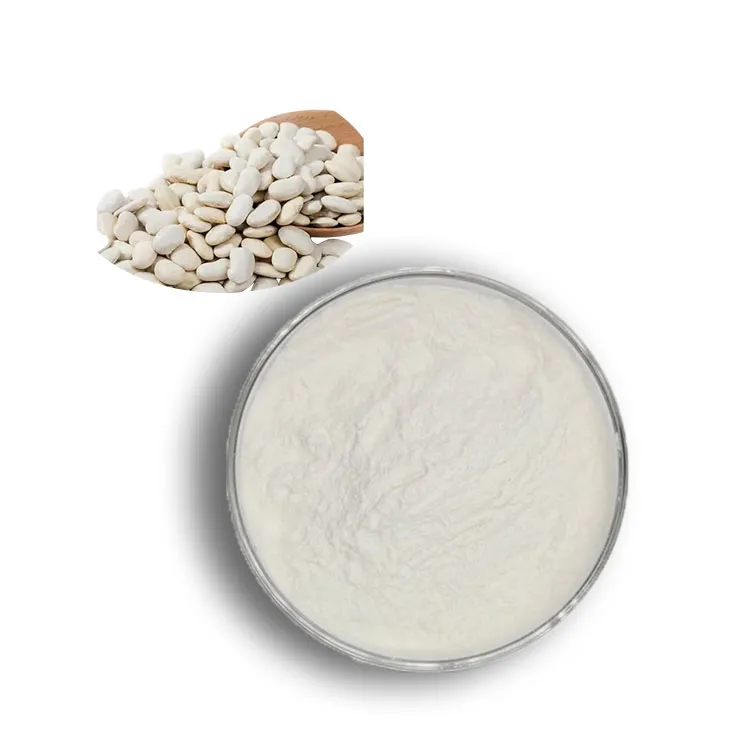
Enhanced Solubility: Reducing the particle size of Kidney Bean Extract can significantly increase its solubility. Smaller particles have a larger surface area to volume ratio. For example, when the particles are in a micron or even nano - size range, they can dissolve more easily in solvents or in the digestive tract. This is crucial for bioactive compounds that need to be dissolved before they can be absorbed. In the pharmaceutical industry, this can lead to better drug delivery and improved efficacy of medications containing Kidney Bean Extract components.
2.2 Improved Functionality
Better Texture in Food Products: In the food industry, a smaller particle size of Kidney Bean Extract can improve the texture of food products. For instance, in bakery products or dairy - based desserts, it can provide a smoother mouthfeel without the gritty texture that larger particles might cause. Enhanced Stability: In cosmetics, reduced particle size can enhance the stability of formulations. Smaller particles are less likely to sediment or separate, ensuring a more homogeneous and stable product.
3. Techniques for Reducing Particle Size
3.1 Mechanical Milling
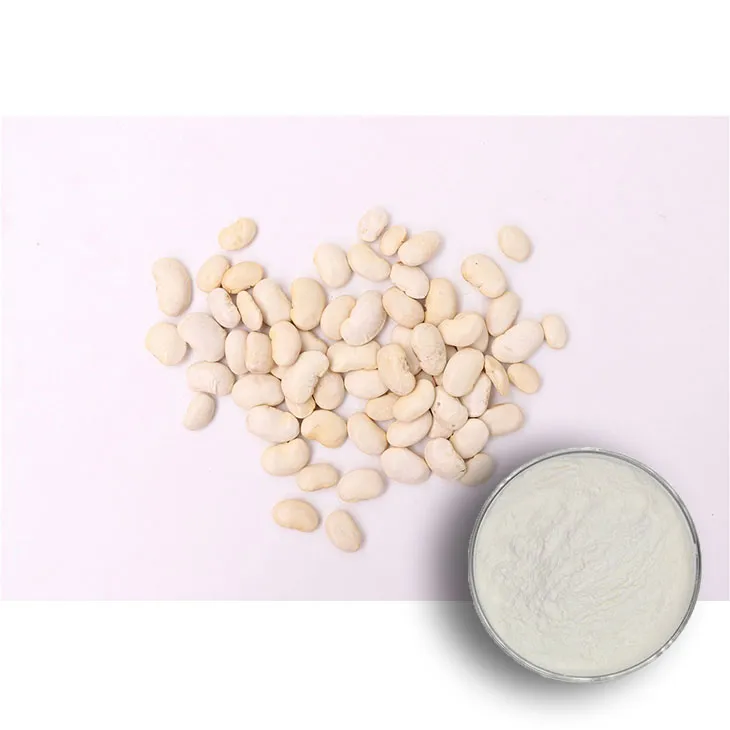
Mechanical milling is one of the most common techniques used. Ball milling, for example, involves the use of balls (usually made of ceramic, steel or tungsten carbide) in a rotating chamber. The Kidney Bean Extract is placed in the chamber, and as the balls roll and collide, they break down the particles into smaller sizes. This process can be controlled by adjusting parameters such as the rotation speed, the size and number of balls, and the milling time. However, one of the drawbacks of mechanical milling is that it may generate heat, which could potentially affect the stability and bioactivity of the extract. To overcome this, some mills are equipped with cooling systems.
3.2 High - Pressure Homogenization
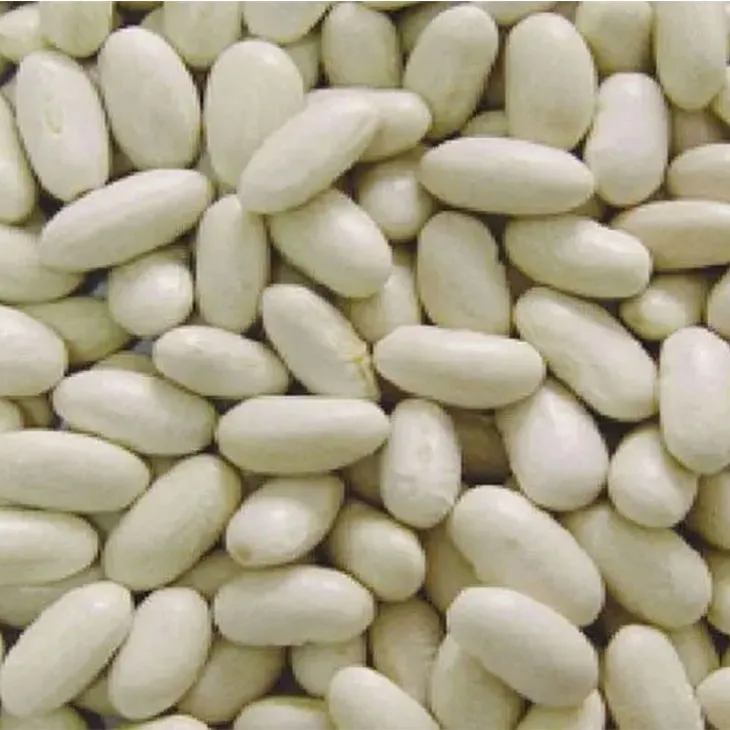
High - pressure homogenization is another effective method. The Kidney Bean Extract is forced through a narrow orifice at high pressure. This causes intense shearing forces that break the particles into smaller ones. For example, in a typical high - pressure homogenizer, the extract may be subjected to pressures ranging from 100 to 1000 bar or even higher. This technique is often used in the production of nano - emulsions or micro - emulsions containing Kidney Bean Extract, which are popular in the food and cosmetics industries due to their improved stability and functionality.
3.3 Ultrasonic Treatment
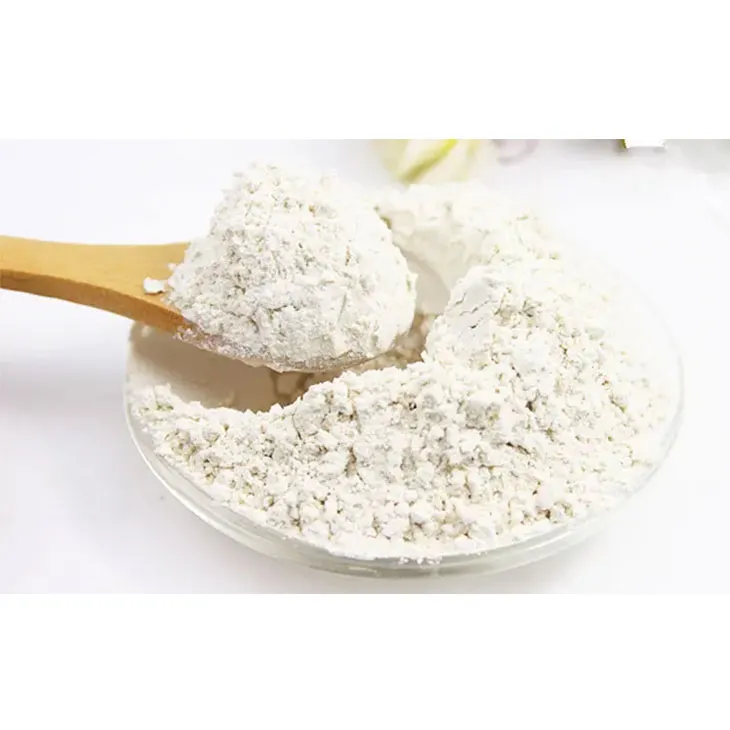
Ultrasonic treatment utilizes high - frequency sound waves. When applied to Kidney Bean Extract, the sound waves create cavitation bubbles. As these bubbles collapse, they generate high - intensity shock waves and shear forces that can reduce the particle size. Ultrasonic treatment is a relatively gentle method compared to mechanical milling, and it can be carried out at ambient temperature, minimizing the risk of heat - induced degradation of the extract. It is also a more energy - efficient option for reducing particle size in small - scale production.
4. Impact on Bioavailability
Absorption and Uptake: The reduction in particle size has a direct impact on the absorption and uptake of bioactive compounds in Kidney Bean Extract. Smaller particles can be more easily taken up by cells. For example, in the case of peptides present in the extract, nano - sized particles can cross cell membranes more efficiently through mechanisms such as endocytosis. This leads to a higher bioavailability of these peptides, which can then exert their physiological functions more effectively, whether it is for blood glucose regulation or antioxidant activity.
Metabolism: Reduced particle size can also affect the metabolism of Kidney Bean Extract components. It can influence the way these compounds are metabolized in the liver and other organs. For instance, smaller particles may be more rapidly metabolized, leading to a quicker onset of their biological effects. However, further research is needed to fully understand the complex relationship between particle size, metabolism, and bioactivity.
5. Impact on Functionality in Different Sectors
5.1 Food Industry
Nutritional Supplements: In the food industry, Kidney Bean Extract with reduced particle size is ideal for the production of nutritional supplements. It can be incorporated into tablets, capsules, or powders more easily due to its improved flowability and solubility. For example, in a protein - rich supplement, the smaller particles of Kidney Bean Extract can blend well with other ingredients, providing a more homogeneous product with better taste and texture.
Functional Foods: In functional foods, such as fortified cereals or energy bars, the reduced - particle - size extract can enhance the overall quality. It can help in improving the shelf - life of the product by reducing the likelihood of ingredient separation. Moreover, it can contribute to a more consistent flavor profile throughout the product's storage period.
5.2 Pharmaceutical Industry
Drug Delivery Systems: In the pharmaceutical industry, minimizing the particle size of Kidney Bean Extract is crucial for developing efficient drug delivery systems. For example, in the case of drugs for treating diabetes, where Kidney Bean Extract may be used as an adjuvant, nano - sized particles can be targeted to specific cells or tissues more effectively. This can improve the therapeutic index of the drug, reducing side effects and increasing the efficacy of treatment.
Formulation of Medicines: Smaller particles also play an important role in the formulation of medicines. They can improve the compressibility of tablets, ensuring that the tablets have the right hardness and disintegration time. This is essential for ensuring that the drug is released in a controlled manner in the body.
5.3 Cosmetics Industry
Skincare Products: In the cosmetics industry, Kidney Bean Extract with a reduced particle size is widely used in skincare products. For example, in anti - aging creams or moisturizers, the smaller particles can penetrate the skin more deeply. This allows the bioactive compounds in the extract, such as antioxidants, to reach the deeper layers of the skin where they can act more effectively to reduce wrinkles and improve skin elasticity.
Haircare Products: In haircare products, such as shampoos and conditioners, the extract with smaller particles can adhere better to the hair shaft. This can enhance the conditioning effect, making the hair smoother and more manageable.
6. Challenges in Reducing Particle Size
Maintaining Bioactivity: One of the main challenges is to ensure that the bioactivity of the Kidney Bean Extract is maintained during the particle size reduction process. As mentioned earlier, some techniques like mechanical milling may generate heat, which can denature proteins or degrade other bioactive components. Therefore, it is essential to optimize the processing conditions to minimize such negative impacts.
Scalability: Another challenge is the scalability of the particle size reduction methods. While some techniques may work well on a small - scale in the laboratory, they may not be easily scaled up for large - scale industrial production. For example, ultrasonic treatment may require specialized equipment and a large amount of energy when applied to large - volume production, which can increase the cost significantly.
Quality Control: Ensuring consistent quality in terms of particle size distribution is also a challenge. Different batches of Kidney Bean Extract may respond differently to the particle size reduction techniques, and it is difficult to achieve a uniform particle size distribution across all batches. This requires strict quality control measures, including the use of advanced analytical techniques such as laser diffraction for particle size analysis.
7. Future Perspectives
New Technologies: There is a need for the development of new technologies for reducing particle size that can overcome the current challenges. For example, emerging techniques such as microfluidics may offer more precise control over particle size reduction with less impact on bioactivity. Microfluidic devices can manipulate fluids at the micro - scale, allowing for more gentle and efficient processing of Kidney Bean Extract.
Combination of Techniques: Future research may also focus on the combination of different particle size reduction techniques. For instance, a combination of high - pressure homogenization and ultrasonic treatment may result in better particle size reduction with improved bioactivity retention. This could lead to the production of Kidney Bean Extract with superior properties for various applications.
In - depth Research: Further in - depth research is required to fully understand the relationship between particle size, bioactivity, and functionality of Kidney Bean Extract. This includes studies on the long - term stability of reduced - particle - size extract in different formulations, as well as its interaction with other ingredients in complex systems such as food matrices or drug delivery vehicles.
FAQ:
1. Why is reducing the particle size important in Kidney Bean Extract processing?
Reducing the particle size in Kidney Bean Extract processing is crucial for several reasons. Firstly, it can enhance the bioavailability of the active compounds in the extract. Smaller particles have a larger surface area to volume ratio, which allows for better absorption in the body when used in applications like pharmaceuticals or food supplements. Secondly, in the cosmetics industry, smaller particles can lead to better texture and easier incorporation into products. It also helps in improving the functionality of the extract, for example, in terms of solubility and dispersibility, which are important factors for various applications.
2. What are the common techniques used to reduce the particle size of Kidney Bean Extract?
There are several common techniques. One is mechanical milling, which uses devices like ball mills or hammer mills to physically break down the particles. Another technique is micronization, often achieved through processes such as jet milling. High - pressure homogenization is also used, where the extract is forced through a small orifice at high pressure, causing the particles to break up. Additionally, ultrasonic treatment can be applied, which uses ultrasonic waves to disrupt the particles and reduce their size.
3. How does reduced particle size of Kidney Bean Extract affect its bioavailability?
The reduced particle size significantly enhances the bioavailability of Kidney Bean Extract. As mentioned before, smaller particles have a greater surface area. In the case of oral consumption, this allows for more efficient interaction with digestive enzymes and absorption in the gastrointestinal tract. For pharmaceutical applications, it means that a smaller dose of the extract may be required to achieve the same therapeutic effect as larger - particle - size extracts, since more of the active compounds are available for absorption into the bloodstream.
4. In which food applications does reduced - particle - size Kidney Bean Extract play a role?
In the food industry, reduced - particle - size Kidney Bean Extract can be used in various applications. For example, it can be added to functional foods and beverages as a source of bioactive compounds. Smaller particles can be more easily incorporated into smoothies, energy bars, or nutritional supplements without affecting the texture too much. It can also be used in food fortification, where the enhanced solubility due to smaller particle size ensures better distribution of the extract's nutrients in the food matrix.
5. How does the reduced particle size of Kidney Bean Extract meet the demands of the cosmetics industry?
In the cosmetics industry, the reduced particle size of Kidney Bean Extract is highly beneficial. It can be incorporated into creams, lotions, and serums more easily. Smaller particles contribute to a smoother texture of the final product, which is desirable for consumers. Moreover, the improved dispersibility of the extract with reduced particle size allows for more uniform distribution in the cosmetic formulation, ensuring consistent performance and appearance of the product.
Related literature
- Advances in Kidney Bean Extract Processing for Bioactive Compounds"
- "Particle Size Reduction in Botanical Extracts: The Case of Kidney Bean"
- "The Impact of Particle Size on the Functionality of Kidney Bean Extract in Different Industries"


-

Nettle leaf extract
2024-12-08
-

Giant Knotweed Extract
2024-12-08
-

Natural grape seed extract
2024-12-08
-

White Willow Bark Extract
2024-12-08
-

Phyllanthus Emblica Extract
2024-12-08
-

Fenugreek Extract Powder
2024-12-08
-

Garcinia Cambogia Extract
2024-12-08
-

Bilberry Extract
2024-12-08
-

Rhodiola Rosea Root extract
2024-12-08
-

Yohimbine Bark Extract
2024-12-08