


1. Introduction
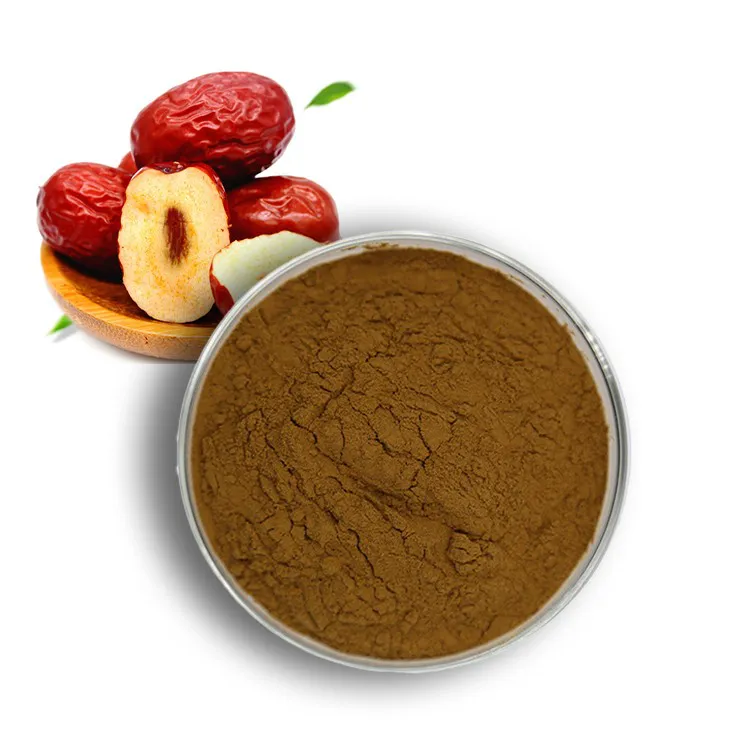
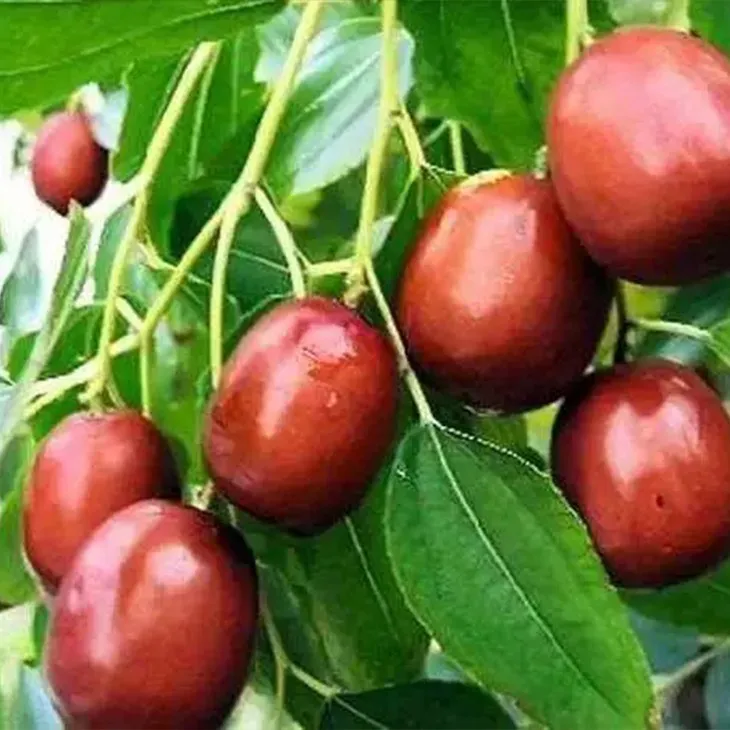
Jujube, a fruit with a long history of cultivation in many parts of the world, is known for its rich nutritional content. Jujube Extracts, which are obtained through various processing methods, have been gradually emerging as a valuable ingredient in different industries. This article aims to comprehensively discuss the prospects and the current processing status of Jujube Extracts.
2. Nutritional Value of Jujube
Jujube is a rich source of vitamins, such as Vitamin C, which is essential for the immune system and skin health. It also contains minerals like potassium, which plays a crucial role in maintaining heart function and fluid balance in the body. Additionally, jujube has various bioactive compounds including flavonoids, phenolic acids, and polysaccharides. These bioactive compounds are responsible for many of its health - promoting properties, such as antioxidant, anti - inflammatory, and anti - microbial activities.
3. Prospects of Jujube Extracts
3.1 Food Industry
Flavor enhancer: Jujube Extracts can be used as a natural flavor enhancer in the food industry. Their sweet and unique flavor can add depth to a variety of products, such as beverages, confectioneries, and bakery items. For example, in the production of fruit juices, a small amount of Jujube Extract can enhance the overall flavor profile, making it more appealing to consumers.
Functional food ingredient: Due to its rich nutritional and bioactive compounds, Jujube Extract can be incorporated into functional foods. These are foods that not only provide basic nutrition but also offer additional health benefits. For instance, Jujube Extract - fortified cereals or energy bars can be marketed towards health - conscious consumers who are looking for products that can boost their immune system or improve their digestion.
3.2 Pharmaceutical Industry
Traditional medicine applications: In traditional medicine systems, jujube has been used for centuries to treat various ailments such as insomnia, anxiety, and digestive disorders. Modern research is now validating these traditional uses, and Jujube Extracts are being explored for their potential in developing new drugs. For example, some studies have shown that certain compounds in Jujube Extracts may have a sedative effect, which could be useful in the development of medications for sleep disorders.
Pharmaceutical excipients: Jujube Extracts can also serve as pharmaceutical excipients. These are substances that are added to a drug formulation to improve its stability, solubility, or bioavailability. The polysaccharides in Jujube Extracts, for example, may have the potential to be used as a drug delivery system due to their unique physical and chemical properties.

3.3 Cosmetic Industry
Skin health promotion: Jujube Extracts are beneficial for skin health. Their antioxidant properties can help protect the skin from free - radical damage, which is associated with premature aging. In cosmetic products such as creams, lotions, and serums, Jujube Extract can be added to improve skin elasticity, reduce wrinkles, and enhance skin complexion.
Hair care: In the hair care sector, Jujube Extracts can be used to strengthen hair follicles, reduce hair fall, and improve hair shine. Shampoos and conditioners containing Jujube Extract may appeal to consumers who are looking for natural alternatives to chemical - laden hair products.
4. Processing Status of Jujube Extracts

4.1 Traditional Processing Methods
Solvent extraction: One of the traditional methods for obtaining Jujube Extracts is solvent extraction. Commonly used solvents include ethanol and water. In this method, jujube fruits are first dried and then ground into a fine powder. The powder is then soaked in the solvent for a certain period of time, during which the bioactive compounds are dissolved into the solvent. After that, the solvent is evaporated, leaving behind the Jujube Extract. However, this method has some limitations. For example, the choice of solvent can affect the quality and composition of the extract, and some solvents may be harmful or require additional purification steps.
Boiling extraction: Boiling extraction is another traditional method. Jujube fruits are boiled in water for a long time, and the extract is obtained from the boiled liquid. This method is simple and cost - effective, but it may lead to the degradation of some heat - sensitive bioactive compounds, reducing the overall quality of the extract.
4.2 Modern Processing Methods
Supercritical fluid extraction: Supercritical fluid extraction (SFE) is a modern and advanced method for obtaining Jujube Extracts. Supercritical fluids, such as carbon dioxide, are used as the extraction medium. SFE has several advantages over traditional methods. It can operate at relatively low temperatures, which helps to preserve the integrity of heat - sensitive bioactive compounds. Also, it can produce a more pure and concentrated extract with a higher yield. However, the equipment for SFE is expensive, and the operation requires specialized knowledge and skills.
Ultrasonic - assisted extraction: Ultrasonic - assisted extraction is another modern technique. In this method, ultrasonic waves are applied during the extraction process. The ultrasonic waves can disrupt the cell walls of jujube fruits more effectively, increasing the release of bioactive compounds and improving the extraction efficiency. This method is relatively fast and can be combined with other extraction methods to further enhance the quality and yield of the extract.
5. Challenges in Jujube Extract Processing
Quality control: One of the major challenges in Jujube Extract processing is quality control. The quality of Jujube Extracts can be affected by many factors, such as the variety of jujube, the harvesting time, the processing method, and the storage conditions. Ensuring consistent quality of the extracts is crucial for their applications in different industries. For example, in the pharmaceutical industry, strict quality control is required to ensure the safety and efficacy of drugs containing Jujube Extracts.
Standardization: There is currently a lack of standardized methods for Jujube Extract processing. Different manufacturers may use different processing parameters, resulting in extracts with different compositions and qualities. This lack of standardization makes it difficult to compare the properties and functions of different Jujube Extracts, and also hinders the development of international trade in Jujube Extracts.
Cost - effectiveness: While modern processing methods can produce high - quality Jujube Extracts, they are often more expensive compared to traditional methods. For small - scale producers or developing regions, the high cost of modern processing equipment and techniques may be a barrier to the large - scale production of Jujube Extracts. Finding ways to balance cost - effectiveness and quality is an important challenge in the Jujube Extract industry.
6. Opportunities in Jujube Extract Processing
Market demand: The increasing consumer awareness of natural and healthy products provides a great opportunity for the Jujube Extract industry. As more consumers are looking for alternatives to synthetic ingredients in food, pharmaceuticals, and cosmetics, the demand for Jujube Extracts is expected to grow. This growing market demand can drive the development of the Jujube Extract industry, including the improvement of processing techniques and the expansion of production scale.
Research and development: There is still much room for research and development in the field of Jujube Extracts. New extraction methods, purification techniques, and applications of Jujube Extracts are constantly being explored. For example, researchers are looking into the potential of Jujube Extracts in treating chronic diseases such as diabetes and cardiovascular diseases. The results of these research efforts can open up new opportunities for the Jujube Extract industry, both in terms of product development and market expansion.
International cooperation: International cooperation can also bring opportunities for the Jujube Extract industry. Different regions may have different advantages in jujube cultivation, processing technology, and market resources. By collaborating with international partners, Jujube Extract producers can share knowledge, technology, and market information, and jointly promote the development of the Jujube Extract industry on a global scale.
7. Conclusion
Jujube Extracts have great prospects in the food, pharmaceutical, and cosmetic industries due to their rich nutritional value and various bioactive compounds. The current processing status of Jujube Extracts shows a co - existence of traditional and modern methods, each with its own advantages and disadvantages. While there are challenges in Jujube Extract processing, such as quality control, standardization, and cost - effectiveness, there are also significant opportunities, including market demand, research and development, and international cooperation. In the future, it is expected that the Jujube Extract industry will continue to develop and grow, with continuous improvement in processing technology and expansion of application fields.
FAQ:
What are the main nutrients in Jujube Extracts?
Jujube Extracts are rich in various nutrients. They typically contain vitamins such as Vitamin C, minerals like potassium and iron, and also bioactive compounds like flavonoids. These nutrients contribute to its potential applications in different industries.
What are the traditional processing methods for Jujube Extracts?
Traditional processing methods for Jujube Extracts often include drying and grinding the jujubes. Drying helps in preserving the jujubes and then grinding them into a powder form, which can be further processed to extract the desired components. Another traditional method is decoction, where jujubes are boiled in water to extract the active substances.
What are the modern processing techniques for Jujube Extracts?
Modern processing techniques for Jujube Extracts involve advanced technologies. For example, supercritical fluid extraction is used. This method can effectively extract bioactive compounds with high purity and less solvent residue. Also, microwave - assisted extraction is another modern approach which can speed up the extraction process by using microwave energy.
How are Jujube Extracts applied in the food industry?
In the food industry, Jujube Extracts can be used as natural flavorings and sweeteners. They can be added to bakery products, beverages, and confectionery items. Due to their nutritional value, they also serve as functional food ingredients, enhancing the health - promoting aspects of food products.
What challenges are there in the processing of Jujube Extracts?
One of the main challenges in the processing of Jujube Extracts is the quality control of the extraction process. Ensuring consistent quality of the extracts is difficult due to factors such as the variability of raw materials. Also, the extraction efficiency needs to be improved in some traditional methods. Another challenge is the cost - effectiveness of modern extraction techniques, which may require expensive equipment and high - tech expertise.
Related literature
- The Nutritional and Medicinal Properties of Jujube Extracts"
- "Advances in Jujube Extract Processing: A Review"
- "Jujube Extracts: Applications in the Pharmaceutical and Cosmetic Industries"


-

Plantain extract
2024-12-16
-

Diosmin
2024-12-16
-

Carrageenan Extract Powder
2024-12-16
-

Apricot Powder
2024-12-16
-

Kelp Extract Powder
2024-12-16
-

Beta Carotene
2024-12-16
-

Soy Extract
2024-12-16
-

N-Acetyl-L-cysteine(NAC)
2024-12-16
-

Purple Sweet Potato Extract
2024-12-16
-

Camu Camu Extract
2024-12-16