


1. Introduction
Mulberry leaves have been used in traditional medicine for centuries in many Asian countries. In recent years, the extracts from mulberry leaves have attracted increasing attention due to their potential health benefits. These extracts are rich in various bioactive compounds, such as flavonoids, alkaloids, and polysaccharides, which endow them with multiple physiological functions.
2. Prospects of Mulberry leaf Extracts
2.1. Medical Applications
Antidiabetic Properties: Mulberry leaf Extracts have shown significant potential in the management of diabetes. The compounds present in the extracts, such as 1 - deoxynojirimycin (DNJ), can inhibit the activity of α - glucosidase, which is responsible for the breakdown of carbohydrates in the small intestine. By inhibiting this enzyme, the post - prandial blood glucose level can be effectively controlled. This makes Mulberry leaf Extracts a promising natural alternative for diabetic patients.
Antihypertensive Effects: Some components in Mulberry leaf Extracts may contribute to the regulation of blood pressure. For example, flavonoids can help relax blood vessels, improve endothelial function, and ultimately reduce blood pressure. This is of great significance for the prevention and treatment of hypertension.

2.2. Nutraceutical Applications
Antioxidant Activity: Mulberry leaf Extracts are rich in antioxidants, including flavonoids and polyphenols. These antioxidants can scavenge free radicals in the body, which are associated with various chronic diseases, such as cancer, cardiovascular diseases, and neurodegenerative diseases. Regular consumption of Mulberry leaf Extracts - containing products can help maintain the body's antioxidant balance and protect cells from oxidative damage.
Immune - Boosting Function: The polysaccharides in Mulberry leaf Extracts have immunomodulatory effects. They can enhance the function of the immune system by stimulating the proliferation and activation of immune cells, such as lymphocytes and macrophages. This can improve the body's resistance to infections and diseases.
3. Processing Current Situation of Mulberry leaf Extracts
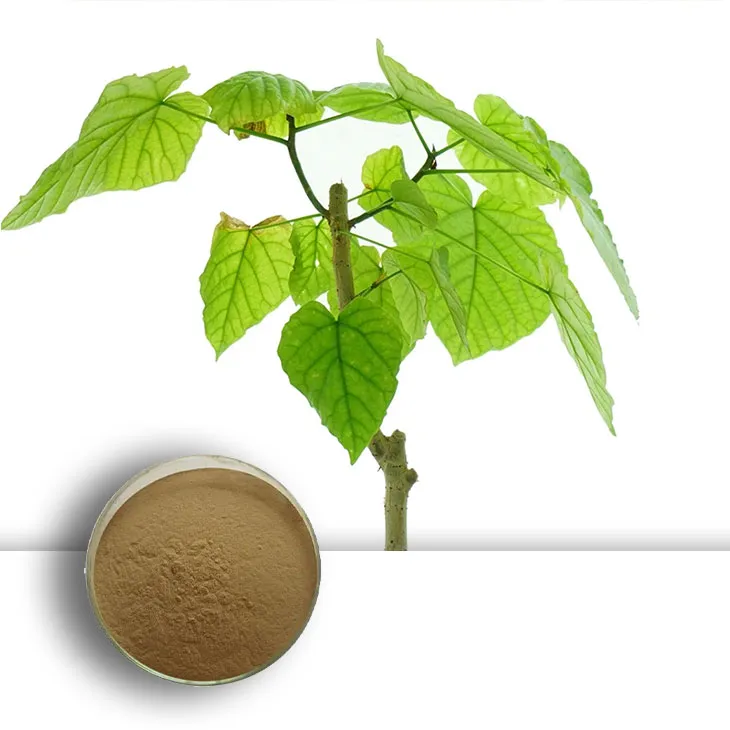
3.1. Extraction Methods
Solvent Extraction: Solvent extraction is one of the most commonly used methods for obtaining mulberry leaf extracts. Organic solvents such as ethanol, methanol, and acetone are often used. The choice of solvent depends on the solubility of the target compounds. For example, ethanol is a relatively safe and effective solvent for extracting flavonoids from mulberry leaves. However, solvent extraction has some limitations, such as the need for large amounts of solvents, which may pose environmental and safety risks.
Supercritical Fluid Extraction (SFE): SFE, especially using carbon dioxide as the supercritical fluid, has emerged as an advanced extraction technique for Mulberry leaf Extracts. This method has several advantages, including high selectivity, mild extraction conditions, and no solvent residue. It can effectively extract bioactive compounds from mulberry leaves while maintaining their quality. However, the equipment for SFE is relatively expensive, which limits its widespread application in small - scale production.
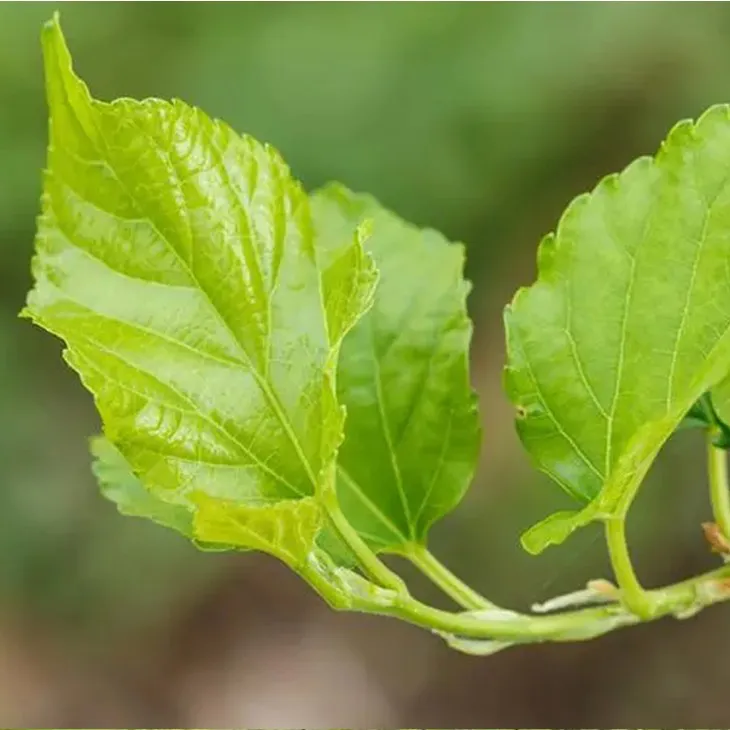
3.2. Purification and Concentration
After extraction, the Mulberry leaf Extracts often need to be purified and concentrated to obtain high - quality products. Chromatographic techniques, such as column chromatography and high - performance liquid chromatography (HPLC), are commonly used for purification. These techniques can separate the target compounds from impurities based on their different physicochemical properties.
Concentration methods, such as rotary evaporation and freeze - drying, are used to increase the concentration of the extracts. Rotary evaporation is a relatively simple and cost - effective method for removing solvents and concentrating the extracts. Freeze - drying can better preserve the bioactivity of the extracts, but it is more expensive.
4. Challenges in the Processing of Mulberry leaf Extracts
4.1. Cost - Effectiveness
The cost of processing Mulberry leaf Extracts remains a significant challenge. The extraction and purification processes often require expensive equipment, solvents, and energy consumption. For example, supercritical fluid extraction equipment is costly, and the price of some high - purity solvents is also relatively high. This leads to a relatively high production cost of Mulberry leaf Extracts, which may limit their commercial applications.
4.2. Environmental Impact
Some traditional extraction methods, such as solvent extraction, may have a negative environmental impact. The large - scale use of organic solvents may cause solvent waste and air pollution. Although efforts are being made to recycle solvents and reduce emissions, there is still room for improvement in terms of environmental protection.
4.3. Quality Control
Ensuring the quality of Mulberry leaf Extracts is crucial for their applications. However, due to the complexity of the raw materials and the extraction processes, it is difficult to standardize the quality control. Different batches of mulberry leaves may have different compositions, and the extraction efficiency may also vary. Therefore, establishing a comprehensive and reliable quality control system is essential for the development of the Mulberry leaf Extract industry.
5. Strategies for Improving the Processing of Mulberry leaf Extracts
5.1. Research and Development of New Extraction Technologies
Continued research into new extraction technologies can help improve the efficiency and cost - effectiveness of Mulberry leaf Extract processing. For example, microwave - assisted extraction and ultrasonic - assisted extraction are emerging techniques that can potentially reduce extraction time, increase extraction yield, and lower energy consumption. These new technologies can be further optimized and integrated with existing extraction methods to achieve better results.
5.2. Optimization of Production Processes
Optimizing the production processes can also contribute to cost reduction and quality improvement. This includes improving the pretreatment of mulberry leaves, such as drying and grinding methods, to increase the extraction efficiency. Additionally, streamlining the extraction, purification, and concentration steps can reduce production time and costs.
5.3. Strengthening Quality Control
To strengthen quality control, it is necessary to establish strict raw material selection criteria, ensure the consistency of mulberry leaf sources, and standardize the extraction and processing parameters. Advanced analytical techniques, such as mass spectrometry and nuclear magnetic resonance spectroscopy, can be used to accurately analyze the composition and quality of Mulberry leaf Extracts.
6. Conclusion
Mulberry leaf Extracts have broad prospects in medicine, nutraceuticals, and other fields. However, the current processing status still faces challenges in terms of cost - effectiveness, environmental impact, and quality control. By continuously researching and developing new extraction technologies, optimizing production processes, and strengthening quality control, the processing of Mulberry leaf Extracts can be improved, and their potential value can be fully realized.
FAQ:
Q1: What are the main applications of Mulberry leaf Extracts in the medical field?
Mulberry leaf Extracts have shown potential in areas such as blood sugar regulation, antioxidant activity, and anti - inflammatory effects in the medical field. For example, some components in the extracts may help in managing diabetes by influencing glucose metabolism. Also, their antioxidant properties can potentially protect cells from oxidative damage, which is related to various diseases.
Q2: How do cost - effectiveness limitations affect the development of Mulberry leaf Extract processing?
Cost - effectiveness limitations can impede the development of Mulberry leaf Extract processing in several ways. High production costs may lead to higher prices for the final products, making them less competitive in the market. This can limit the scale of production and investment in research and development. For instance, if the extraction process is expensive and not optimized, it will be difficult to produce large quantities of extracts at an affordable price for widespread use.
Q3: What environmental impacts are associated with Mulberry leaf Extract processing?
In the processing of Mulberry leaf Extracts, there can be several environmental impacts. The use of certain solvents in extraction processes, if not properly managed, can lead to pollution. Additionally, waste disposal from the extraction and purification steps needs to be carefully considered. For example, if large amounts of organic waste are generated during processing and not disposed of in an environmentally friendly way, it can cause soil or water pollution.
Q4: What are the potential new markets for Mulberry leaf Extracts in the nutraceuticals field?
In the nutraceuticals field, Mulberry leaf Extracts have potential in new markets such as functional foods and dietary supplements. As consumers are becoming more health - conscious, there is an increasing demand for products with natural ingredients that offer health benefits. Mulberry leaf Extracts, with their various beneficial properties like antioxidant and anti - inflammatory effects, can be incorporated into products like energy bars, health drinks, and daily multivitamin supplements.
Q5: How can the processing of Mulberry leaf Extracts be made more cost - effective?
To make the processing of Mulberry leaf Extracts more cost - effective, several strategies can be employed. Optimization of the extraction process to improve yield and reduce the use of expensive reagents is crucial. Researching and developing new, more efficient extraction techniques can also help. For example, using enzymatic extraction methods may be more cost - effective compared to traditional solvent - based extraction in some cases. Additionally, economies of scale can be achieved by increasing production volume, which can help spread fixed costs over a larger number of units.
Related literature
- Mulberry leaf Extract: Composition, Biological Activities, and Potential Health Benefits"
- "Processing and Utilization of Mulberry leaf Extracts in the Pharmaceutical and Nutraceutical Industries"
- "The Environmental and Economic Aspects of Mulberry leaf Extract Production"


-

Alisma Extract
2024-12-17
-

Propolis Extract Powder
2024-12-17
-

Ivy Extract
2024-12-17
-

Saponin Extract
2024-12-17
-

Hawthorn powder
2024-12-17
-

Ginger Extract
2024-12-17
-

Cocoa Extract
2024-12-17
-

Bromelain
2024-12-17
-

Dragon Fruit Powder
2024-12-17
-

Acerola Juice Powder
2024-12-17