


1. Introduction
Rosehip extract has emerged as a highly sought - after ingredient in recent years. Its popularity is due to its rich composition of nutrients, antioxidants, and bioactive compounds. These properties have led to its wide application in various industries, including cosmetics, pharmaceuticals, and the food industry. As the awareness of the benefits of natural products grows, the demand for rosehip extract is expected to increase further in the future. This article will explore the manufacturing processes involved in obtaining rosehip extract and analyze the factors contributing to the anticipated growth in demand.
2. Manufacturing Processes of Rose Hip Extract
2.1 Raw Material Collection
The first step in the manufacturing of rosehip extract is the collection of raw materials. Rosehips are the fruits of rose plants, and they are typically harvested when they are fully ripe. This is crucial as the nutrient content and quality of the rosehips are at their peak at this stage. Harvesting too early or too late can result in a lower - quality extract. The collection process needs to be carefully carried out to avoid damage to the rosehips. In some cases, wild rosehips are collected, while in others, cultivated rose plants are used for a more consistent supply. It is important to note that sustainable harvesting practices should be employed to ensure the long - term availability of rosehips.
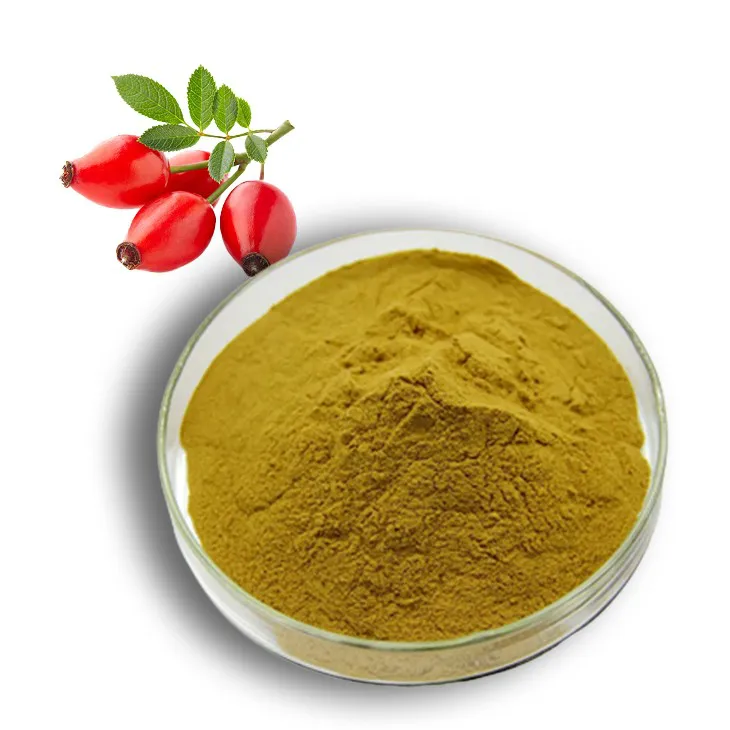
2.2 Cleaning and Sorting
Once the rosehips are harvested, they need to be thoroughly cleaned to remove any dirt, debris, or foreign matter. This is usually done using water and gentle mechanical agitation. After cleaning, the rosehips are sorted to remove any damaged or unripe fruits. This step helps to ensure that only high - quality rosehips are used for extraction. Sorting can be done manually or with the help of automated machinery, depending on the scale of production.

2.3 Drying
Drying is an essential step in the manufacturing process. There are different methods of drying rosehips, such as air drying, sun drying, or using drying machines. Air drying and sun drying are more traditional methods and can be cost - effective for small - scale production. However, they may be subject to environmental factors such as humidity and temperature, which can affect the drying time and quality. Drying machines, on the other hand, offer more control over the drying process. The dried rosehips should have a low moisture content to prevent spoilage during storage and extraction.

2.4 Grinding
After drying, the rosehips are ground into a fine powder. This increases the surface area of the rosehips, which is beneficial for the extraction process. The grinding can be done using a variety of equipment, such as mills or grinders. The fineness of the powder can vary depending on the extraction method used. A finer powder may be required for some extraction techniques to ensure efficient extraction of the active compounds.
2.5 Extraction
- The extraction process is a crucial step in obtaining rosehip extract. There are several methods of extraction, including solvent extraction, supercritical fluid extraction, and aqueous extraction.
-
2.5.1 Solvent Extraction
Solvent extraction is a commonly used method. Organic solvents such as ethanol or hexane are often used. The dried and ground rosehip powder is mixed with the solvent, and the mixture is agitated for a period of time. The solvent helps to dissolve the active compounds present in the rosehips. After extraction, the solvent is removed through evaporation, leaving behind the rosehip extract. However, one of the challenges with solvent extraction is the potential residue of the solvent in the final extract, which may require additional purification steps.
-
2.5.2 Supercritical Fluid Extraction
Supercritical fluid extraction is a more advanced method. Carbon dioxide in its supercritical state is often used as the extraction medium. This method has several advantages. It is a relatively clean method as carbon dioxide is non - toxic and can be easily removed from the final product. It also offers high selectivity, which means it can target specific compounds in the rosehips more effectively. However, the equipment for supercritical fluid extraction is more expensive, which may limit its use in small - scale production.
-
2.5.3 Aqueous Extraction
Aqueous extraction involves using water as the extraction solvent. This method is considered more natural and environmentally friendly compared to solvent extraction. However, the extraction efficiency may be lower, and the resulting extract may have a shorter shelf - life due to the presence of water. Additionally, further purification steps may be required to obtain a concentrated and stable rosehip extract.
2.6 Purification and Concentration
After extraction, the rosehip extract may need to be purified to remove any impurities or unwanted compounds. This can be done through various techniques such as filtration, chromatography, or centrifugation. Filtration can remove large particles, while chromatography can separate different compounds based on their chemical properties. Centrifugation can be used to separate substances based on their density. Once purified, the extract may be concentrated to increase the concentration of the active compounds. This can be achieved through evaporation or other concentration methods.
2.7 Packaging
The final step in the manufacturing process is packaging. The rosehip extract needs to be packaged in a suitable container to protect it from light, air, and moisture. Amber glass bottles or sealed plastic containers are commonly used. Proper packaging helps to maintain the stability and quality of the extract during storage and transportation.
3. Factors Contributing to Future Demand Growth
3.1 Cosmetics Industry
- The cosmetics industry is a major driver of the future demand for rosehip extract.
- Rosehip extract is rich in vitamins A, C, and E, as well as essential fatty acids. These nutrients are beneficial for skin health. Vitamin C in rosehip extract can help to brighten the skin, reduce the appearance of dark spots, and promote collagen synthesis. Vitamin A can improve skin texture and reduce the signs of aging.
- The antioxidant properties of rosehip extract can protect the skin from free - radical damage, which is associated with premature aging, wrinkles, and skin diseases. As consumers become more conscious of the importance of natural and effective skincare products, the demand for rosehip - based cosmetics is likely to increase.
- Rosehip extract can be used in a variety of cosmetic products, including creams, lotions, serums, and masks. It can be formulated for different skin types, such as dry, oily, or sensitive skin.
3.2 Pharmaceuticals Industry
- In the pharmaceuticals industry, rosehip extract has shown potential for various medicinal applications.
- It has anti - inflammatory properties, which can be useful in treating inflammatory conditions such as arthritis. Studies have shown that rosehip extract can reduce pain and improve joint function in patients with osteoarthritis.
- Rosehip extract also has immunomodulatory effects. It can help to boost the immune system, which is beneficial for preventing and treating infections. Additionally, it may have potential in the treatment of certain cancers, although more research is needed in this area.
- As the global population ages and the prevalence of chronic diseases increases, the demand for natural and effective pharmaceutical products is expected to grow. Rosehip extract, with its multiple health benefits, is likely to be in high demand in the pharmaceutical industry.
3.3 Food Industry
- The food industry is also expected to contribute to the future growth in demand for rosehip extract.
- Rosehip extract can be used as a natural flavoring agent. It has a pleasant, fruity flavor that can enhance the taste of various food products, such as beverages, jams, and desserts.
- It is also a rich source of nutrients, including vitamins and minerals. Adding rosehip extract to food products can increase their nutritional value. For example, it can be used in functional foods or dietary supplements.
- With the increasing trend towards healthy eating and the demand for natural food ingredients, rosehip extract is likely to find more applications in the food industry.
3.4 Growing Awareness of Natural Products
- There is a growing awareness among consumers about the benefits of natural products. People are increasingly looking for alternatives to synthetic chemicals in their daily products.
- Rosehip extract, being a natural product, is perceived as a safer and more sustainable option. It is free from many of the potential side - effects associated with synthetic ingredients.
- This growing preference for natural products is likely to drive the demand for rosehip extract in all the industries where it can be applied.
4. Conclusion
Rosehip extract has a complex manufacturing process that involves multiple steps from raw material collection to final packaging. Each step is crucial in ensuring the quality and efficacy of the extract. The future demand for rosehip extract is expected to grow due to its wide - ranging applications in the cosmetics, pharmaceuticals, and food industries, as well as the growing awareness of natural products. As the demand increases, it is important for manufacturers to ensure sustainable production practices to meet the market needs while protecting the environment. Continued research is also needed to further explore the potential benefits of rosehip extract and develop more efficient manufacturing processes.
FAQ:
What are the main steps in the manufacturing process of Rose Hip Extract?
The manufacturing process of Rose Hip Extract typically starts with the collection of raw materials. High - quality rose hips need to be carefully selected. Then, they are usually cleaned to remove impurities. After that, processes like drying may be carried out to prepare the hips for extraction. The extraction step often involves using solvents to draw out the active compounds from the rose hips. This is followed by purification and concentration steps to obtain the final Rose Hip Extract.
How is Rose Hip Extract used in the cosmetics industry?
In the cosmetics industry, Rose Hip Extract is highly valued for its antioxidant properties. It can help protect the skin from damage caused by free radicals. It is also used for its moisturizing effects, as it can improve the skin's hydration levels. Additionally, it may be included in products for its potential anti - aging benefits, such as reducing the appearance of wrinkles and fine lines.
What are the applications of Rose Hip Extract in the pharmaceutical industry?
In the pharmaceutical industry, Rose Hip Extract has been studied for its anti - inflammatory properties. It may be used in medications or supplements to help relieve joint pain and inflammation, especially in conditions like arthritis. Some research also suggests that it may have immunomodulatory effects, potentially enhancing the body's immune system.
Why is Rose Hip Extract in demand in the food industry?
In the food industry, Rose Hip Extract is in demand because it can add a unique flavor to products. It also has nutritional value, being rich in vitamins (such as Vitamin C) and other beneficial compounds. It can be used in the production of juices, jams, and other food items, both for its taste and potential health - promoting properties.
What factors may limit the future growth of the demand for Rose Hip Extract?
One factor that may limit the future growth of the demand for Rose Hip Extract is the availability of raw materials. If there are issues with the cultivation or harvesting of rose hips, it could restrict the supply. Another factor could be competition from alternative ingredients that offer similar benefits. Additionally, regulatory challenges in different industries regarding the use of Rose Hip Extract could also potentially limit its growth.
Related literature
- Rose Hip Extract: Production and Quality Control"
- "The Role of Rose Hip Extract in Cosmetic Formulations"
- "Rose Hip Extract: Therapeutic Applications in Pharmaceuticals"
- "Utilization of Rose Hip Extract in the Food Industry"


-

Okra Extract
2024-12-08
-

Senna Leaf Extract
2024-12-08
-

Natural grape seed extract
2024-12-08
-

Rosemary extract
2024-12-08
-

Shikone Extract
2024-12-08
-

Avocado Extract Powder
2024-12-08
-

Oyster Mushroom Extract Powder
2024-12-08
-

Carrageenan Extract Powder
2024-12-08
-

L-Tyrosine
2024-12-08
-

L-carnitine
2024-12-08