


1. Introduction to Astaxanthin
Astaxanthin is a natural pigment that belongs to the carotenoid family. It is found in certain marine organisms such as microalgae, salmon, and shrimp. This powerful antioxidant has been gaining significant attention in the cosmetics industry due to its numerous beneficial properties. Its red - orange color not only gives a natural tint to cosmetic products but also indicates its potential for enhancing skin health and appearance.
2. Anti - aging Advantage
2.1. Combating Free Radicals
One of the primary causes of aging is the damage caused by free radicals. Astaxanthin has an exceptional ability to scavenge free radicals in the skin. Free radicals are unstable molecules that can damage cells, proteins, and DNA. They are generated by various factors such as environmental pollutants, UV radiation, and normal metabolic processes. Astaxanthin's antioxidant activity is much higher than other common antioxidants like Vitamin C and vitamin E. For example, it can neutralize free radicals more effectively, reducing the oxidative stress on the skin. This helps in preventing premature aging signs such as wrinkles, fine lines, and sagging skin.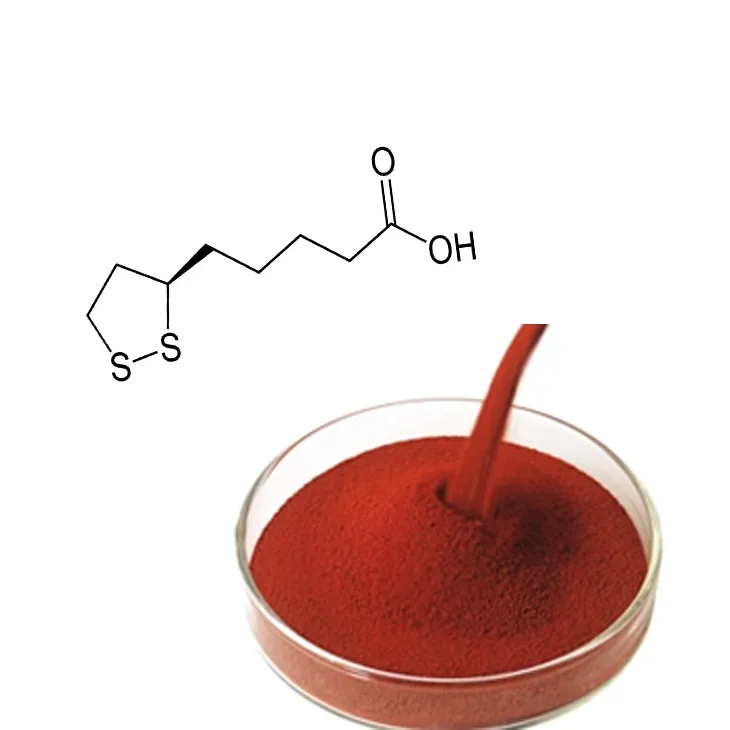
2.2. Collagen and Elastin Preservation
Collagen and elastin are essential proteins for maintaining the skin's firmness and elasticity. As we age, the production of these proteins decreases, and the existing ones can be degraded by free radicals. Astaxanthin helps in protecting collagen and elastin fibers. It inhibits the enzymes that break down these proteins, thereby preserving the skin's structural integrity. This results in a more youthful - looking skin with improved texture and tone.3. Skin Protection Advantage

3.1. UV Protection
Although not a substitute for sunscreen, Astaxanthin offers an additional layer of protection against UV radiation. It can absorb and scatter UV rays, reducing their harmful effects on the skin. Studies have shown that regular use of products containing Astaxanthin can decrease the damage caused by UV exposure, such as sunburn, skin redness, and long - term photo - aging. This makes it a valuable ingredient in daily skincare products, especially for those who are exposed to sunlight frequently.
3.2. Barrier Function Enhancement
The skin's barrier function is crucial for preventing moisture loss and protecting against external irritants. Astaxanthin can strengthen the skin's barrier by promoting the production of ceramides, lipids that play a vital role in maintaining the skin's integrity. A healthy barrier function helps to keep the skin hydrated, soft, and less prone to irritation and inflammation.4. Anti - inflammatory Advantage
4.1. Reducing Skin Inflammation
Inflammation can cause various skin problems, including acne, rosacea, and eczema. Astaxanthin has anti - inflammatory properties that can help soothe irritated skin. It can regulate the production of inflammatory mediators in the skin, such as cytokines and prostaglandins. By reducing inflammation, it can improve the overall appearance of the skin, reducing redness, swelling, and discomfort.4.2. Healing and Repair
In addition to reducing inflammation, Astaxanthin also promotes skin healing and repair. It can stimulate the production of fibroblasts, which are cells responsible for generating new connective tissue during the wound - healing process. This can accelerate the healing of minor cuts, abrasions, and other skin injuries, leaving the skin with a smoother and more even texture.5. Whitening and Brightening Advantage
5.1. Inhibiting Melanin Production
Melanin is the pigment responsible for skin color. Excessive melanin production can lead to hyperpigmentation, such as dark spots and uneven skin tone. Astaxanthin can inhibit the activity of tyrosinase, an enzyme involved in melanin synthesis. By reducing melanin production, it can help to lighten the skin and even out the skin tone, giving the skin a brighter and more radiant appearance.5.2. Improving Skin Glow
Apart from whitening, Astaxanthin also enhances the skin's natural glow. It improves the skin's microcirculation, which means better blood flow to the skin cells. This brings more nutrients and oxygen to the skin, making it look healthier and more vibrant.6. Hydration Advantage
6.1. Moisture Retention
Astaxanthin helps the skin retain moisture. As mentioned earlier, it strengthens the skin's barrier function, which is essential for preventing water loss from the skin. By keeping the skin hydrated, it can prevent dryness, flakiness, and roughness. This is especially beneficial for people with dry or sensitive skin.6.2. Nourishing the Skin
In addition to retaining moisture, Astaxanthin also nourishes the skin. It contains essential fatty acids and other nutrients that can penetrate the skin layers and provide nourishment at a cellular level. This helps to improve the overall health of the skin, making it more resilient and less prone to damage.7. Conclusion
In conclusion, Astaxanthin offers six major advantages in the cosmetics industry. Its anti - aging, skin protection, anti - inflammatory, whitening, and hydration properties make it a highly valuable ingredient for cosmetic products. As consumers become more aware of the importance of natural and effective skincare ingredients, Astaxanthin is likely to play an increasingly important role in the beauty world. Cosmetic companies are continuously exploring new ways to incorporate this powerful antioxidant into their products to provide consumers with high - quality skincare solutions.
FAQ:
What is Astaxanthin?
Astaxanthin is a type of carotenoid pigment. It is a very powerful antioxidant that occurs naturally in certain algae, yeast, salmon, trout, krill, and shrimp. In the cosmetics industry, it has gained significant attention due to its various beneficial properties.
How does Astaxanthin contribute to anti - aging in cosmetics?
Astaxanthin helps in anti - aging in several ways. It can neutralize free radicals which are responsible for causing damage to the skin cells. These free radicals can lead to wrinkles, fine lines, and sagging skin. By scavenging free radicals, Astaxanthin helps to protect the skin's collagen and elastin fibers, which are crucial for maintaining the skin's firmness and elasticity, thus reducing the signs of aging.
What kind of skin protection does Astaxanthin offer?
Astaxanthin offers protection against various environmental factors. It can shield the skin from UV - induced damage. The antioxidant properties of Astaxanthin help in reducing inflammation caused by sun exposure. It also helps in protecting the skin from pollution - related damage as it can prevent the harmful substances in the environment from penetrating the skin and causing oxidative stress.
Can Astaxanthin improve skin tone?
Yes, Astaxanthin can improve skin tone. It helps in reducing the appearance of redness and blotchiness on the skin. By improving the skin's overall health and reducing inflammation, it gives the skin a more even - toned appearance. It also promotes a healthy glow as it enhances the skin's radiance.
Is Astaxanthin suitable for all skin types?
Generally, Astaxanthin is suitable for all skin types. Whether it is dry, oily, combination, or sensitive skin, Astaxanthin can provide benefits. For dry skin, it can help in moisturizing and improving the skin's barrier function. For oily skin, it can reduce inflammation and control sebum production. For sensitive skin, its antioxidant and anti - inflammatory properties can soothe and protect the skin.
Related literature
- The Role of Astaxanthin in Cosmetics: A Comprehensive Review"
- "Astaxanthin - A Promising Ingredient for Skin Health in Cosmetic Applications"
- "Beneficial Effects of Astaxanthin on Skin: A Scientific Perspective"


-

Black Rice Extract
2024-12-16
-

Apricot Powder
2024-12-16
-

Lotus leaf extract
2024-12-16
-

Ginger Extract
2024-12-16
-

Angelica sinensis extract
2024-12-16
-

Rosemary extract
2024-12-16
-

Citrus Aurantium Extract
2024-12-16
-

Kelp Extract Powder
2024-12-16
-

Bamboo Leaf extract
2024-12-16
-

Ginkgo Biloba Extract
2024-12-16