


1. Introduction to Curcumin
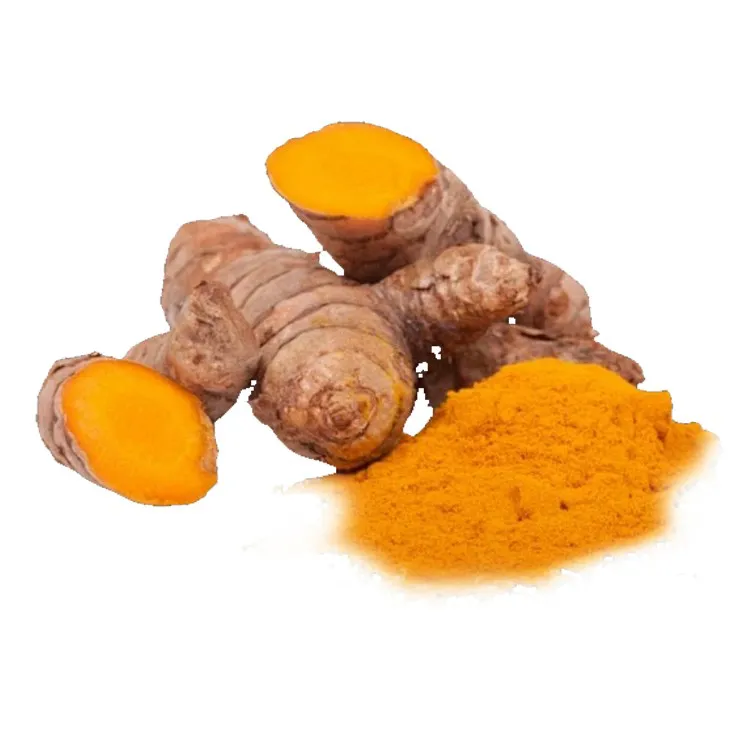
Curcumin is a natural compound that is derived from the turmeric plant (Curcuma longa). It has been used for centuries in traditional medicine, particularly in Ayurvedic and Chinese medicine. Curcumin is known for its bright yellow color and has a wide range of potential health benefits. It is a polyphenol with antioxidant, anti - inflammatory, and antimicrobial properties.
2. Use in Wellness
2.1 Anti - Inflammatory Effects
One of the most well - known uses of Curcumin is its anti - inflammatory properties. Chronic inflammation is associated with many diseases, such as arthritis, heart disease, and certain cancers. Curcumin can help reduce inflammation by inhibiting the production of inflammatory cytokines and enzymes. For example, in arthritis, Curcumin may reduce joint pain and swelling by suppressing the inflammatory pathways in the body.

2.2 Antioxidant Activity
Curcumin is a powerful antioxidant. It can neutralize free radicals in the body, which are unstable molecules that can damage cells and contribute to aging and disease. By scavenging free radicals, Curcumin helps protect the body's cells from oxidative stress. This antioxidant activity may also play a role in preventing chronic diseases such as neurodegenerative disorders (e.g., Alzheimer's disease) and cardiovascular diseases.

2.3 Boosting Immune Function
Curcumin may help boost the immune system. It can stimulate the activity of immune cells such as macrophages and lymphocytes. By enhancing the immune response, Curcumin may help the body fight off infections more effectively. For instance, in cases of respiratory infections, Curcumin may support the body's natural defense mechanisms.
3. Dietary Supplementation

3.1 Digestive Health
Curcumin can be beneficial for digestive health. It may help improve digestion by increasing the production of bile, which aids in the breakdown of fats. Additionally, Curcumin has been shown to have a positive effect on the gut microbiota. It can help maintain a healthy balance of bacteria in the gut, which is important for overall digestive function and nutrient absorption.
3.2 Weight Management
Some studies suggest that Curcumin may play a role in weight management. It may help regulate metabolism by influencing the activity of certain enzymes involved in fat metabolism. For example, Curcumin may increase the activity of thermogenic enzymes in the body, which can lead to increased calorie burning. However, more research is needed to fully understand its effects on weight loss.

3.3 Nutrient Absorption
Curcumin can enhance the absorption of nutrients. It may interact with certain nutrients in the diet, making them more bioavailable. For example, it has been shown to increase the absorption of iron, which is an important nutrient for the production of red blood cells and overall energy metabolism.
4. Skin Health
4.1 Anti - Aging
Curcumin has potential anti - aging benefits for the skin. Its antioxidant properties can protect the skin from free radical damage, which can lead to premature aging such as wrinkles and fine lines. Additionally, Curcumin may stimulate collagen production in the skin, which helps maintain skin elasticity and firmness.
4.2 Skin Inflammation and Disorders
For skin inflammation and disorders such as eczema and psoriasis, Curcumin may offer relief. Its anti - inflammatory properties can help reduce redness, itching, and swelling associated with these conditions. It can be applied topically in the form of creams or ointments or taken orally to address skin health issues from the inside out.
5. Joint Health
5.1 Arthritis Relief
As mentioned earlier, Curcumin is beneficial for joint health, especially in the case of arthritis. It can reduce pain and stiffness in the joints by suppressing the inflammatory response. Some arthritis sufferers have reported significant improvement in their symptoms after taking Curcumin supplements regularly.
5.2 Cartilage Protection
Curcumin may also help protect the cartilage in the joints. It can inhibit the enzymes that break down cartilage, thus helping to maintain the integrity of the joint structure. This is important for preventing joint degeneration over time.
6. Cardiovascular Health
6.1 Lowering Cholesterol
Curcumin has been shown to have an effect on cholesterol levels. It can help lower LDL (low - density lipoprotein) cholesterol, also known as "bad" cholesterol, while potentially increasing HDL (high - density lipoprotein) cholesterol, or "good" cholesterol. By improving the lipid profile, Curcumin may reduce the risk of heart disease.
6.2 Blood Pressure Regulation
Another aspect of cardiovascular health where Curcumin may be useful is in blood pressure regulation. It can relax the blood vessels, reducing the resistance to blood flow and thereby helping to lower blood pressure. However, more research is needed to determine the exact mechanisms and the long - term effectiveness.
7. Cancer Prevention and Treatment (Potential)
While Curcumin is not a substitute for cancer treatment, there is growing evidence of its potential role in cancer prevention and treatment. It has been shown to have anti - cancer properties in pre - clinical studies. Curcumin can inhibit the growth and spread of cancer cells by interfering with various cellular signaling pathways involved in cancer development. For example, it may target the pathways that regulate cell proliferation, apoptosis (programmed cell death), and angiogenesis (the formation of new blood vessels that supply tumors).
However, more clinical trials are needed to fully understand its effectiveness and safety in cancer patients.
8. Neurological Health
8.1 Alzheimer's Disease
Curcumin may have a role in protecting against Alzheimer's disease. Its antioxidant and anti - inflammatory properties may help reduce the amyloid plaques and tau tangles in the brain, which are characteristic features of Alzheimer's. Some studies have shown that Curcumin can cross the blood - brain barrier and exert its beneficial effects on the brain cells.
8.2 Mood Regulation
There is also some evidence that Curcumin may play a part in mood regulation. It may affect neurotransmitter levels in the brain, such as serotonin, which is associated with mood. By modulating neurotransmitter function, Curcumin may help improve symptoms of depression and anxiety.
9. Use in Household Remedies
9.1 Wound Healing
Curcumin can be used as a natural remedy for wound healing. Its antimicrobial properties can help prevent infection in wounds, while its anti - inflammatory and antioxidant properties can promote the healing process. It can be applied topically as a paste made from turmeric powder and water or other suitable carriers.
9.2 Anti - microbial Activity
Curcumin has anti - microbial activity against a variety of bacteria, viruses, and fungi. In the household, it can be used to disinfect surfaces or as a natural preservative. For example, adding a small amount of turmeric powder (which contains Curcumin) to homemade pickles can help prevent the growth of harmful microorganisms.
10. Precautions and Considerations
While Curcumin has many potential benefits, there are also some precautions to keep in mind. Bioavailability of Curcumin is relatively low, so special formulations may be needed to improve its absorption in the body. Additionally, Curcumin may interact with certain medications, such as blood thinners. Pregnant or breastfeeding women should consult their healthcare provider before taking Curcumin supplements. Also, high doses of Curcumin may cause some side effects, such as gastrointestinal discomfort.
FAQ:
What are the main health benefits of Curcumin?
Curcumin has several health benefits. It has anti - inflammatory properties, which can help with conditions like arthritis. It also shows antioxidant activity, protecting cells from damage. Additionally, it may support heart health by improving cholesterol levels and blood vessel function. There is also some evidence suggesting it could play a role in cancer prevention and management, although more research is needed.
Can Curcumin be used as a dietary supplement?
Yes, Curcumin can be used as a dietary supplement. It is often available in the form of capsules or tablets. However, it is important to note that the bioavailability of Curcumin is relatively low. Some supplements are formulated with piperine (from black pepper) to enhance absorption. People may choose to take Curcumin supplements for general health promotion, especially those interested in its anti - inflammatory and antioxidant effects.
How is Curcumin used in household remedies?
Curcumin can be used in household remedies in a few ways. For example, a paste made from Curcumin powder and a small amount of water can be applied topically to the skin to soothe minor irritations or insect bites. Some people also use it in a gargle solution (diluted in water) to relieve sore throats, as it may have antibacterial properties. However, for more serious health issues, it is important to consult a healthcare professional.
Is Curcumin safe for everyone to use?
While Curcumin is generally considered safe for most people when used in moderation, it may not be suitable for everyone. People with gallbladder problems or those taking certain medications, such as blood thinners, should consult their doctor before using Curcumin. In high doses, it may cause some side effects like gastrointestinal upset. Pregnant and breastfeeding women should also be cautious and seek medical advice before using Curcumin supplements.
How does Curcumin support skin health?
Curcumin can support skin health in multiple ways. Its antioxidant properties help protect the skin from damage caused by free radicals, which can lead to premature aging. The anti - inflammatory effects can be beneficial for skin conditions like acne, eczema, and psoriasis. Topical application of Curcumin - based products may also help improve skin tone and texture, and promote wound healing.
Related literature
TAGS:


-

Rosemary extract
2025-01-07
-

Angelica sinensis extract
2025-01-07
-

American Ginseng Root Extract
2025-01-07
-

Nettle Root Extract
2025-01-07
-

Black Rice Extract
2025-01-07
-

Apricot Powder
2025-01-07
-

Soy Extract
2025-01-07
-

Olive leaf extract
2025-01-07
-

Propolis Extract Powder
2025-01-07
-

Eyebright Extract
2025-01-07