


Farm - The Starting Point
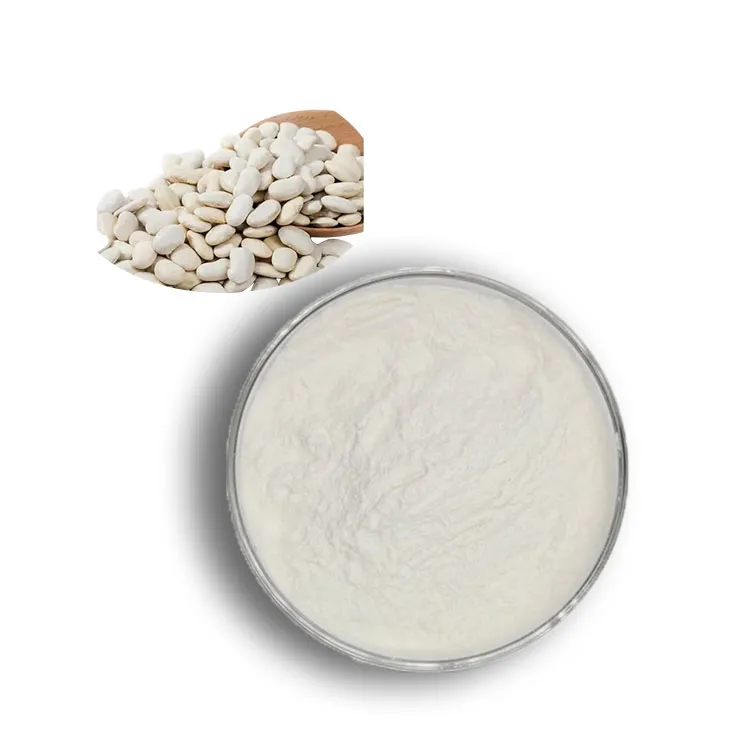
The journey of Kidney Bean Extract begins at the farm, which is the very foundation of the entire production process.
Quality Control at the Farm Level
Soil Testing and Preparation: Before the kidney beans are planted, rigorous soil testing is carried out. This helps to determine the nutrient content of the soil, such as nitrogen, phosphorus, and potassium levels. Based on the test results, appropriate fertilizers are added to ensure that the soil provides the best growing conditions for the kidney beans. For example, if the soil is deficient in nitrogen, fertilizers rich in nitrogen, like ammonium nitrate or urea, can be added. This initial step of soil preparation is crucial in producing high - quality kidney beans, as it directly affects the growth and development of the plants.
Seed Selection: Only the highest - quality kidney bean seeds are chosen for sowing. These seeds are carefully inspected for characteristics such as size, shape, and color. Seeds that are deformed or discolored are rejected. Additionally, the seeds are tested for their germination rate. High - germination - rate seeds are preferred as they ensure a good start for the crop. For instance, seeds with a germination rate of at least 90% are typically selected. This careful seed selection process is an important part of quality control at the farm level, as it sets the stage for a healthy and productive crop.
Crop Monitoring during Growth: Throughout the growth period of the kidney beans, regular monitoring is essential. Farmers keep a close eye on the plants for signs of pests, diseases, and nutrient deficiencies. For pests, they look for holes in the leaves, chewed edges, or the presence of insects. In case of diseases, symptoms such as yellowing of leaves, spots, or wilting are carefully observed. If any issues are detected, immediate action is taken. For example, if aphids are found on the plants, natural predators like ladybugs can be introduced, or in more severe cases, appropriate pesticides can be used in a controlled and environmentally - friendly manner. Nutrient deficiencies are addressed by applying additional fertilizers or soil amendments as needed.
Sustainable Farming Practices
Crop Rotation: Lvtian International encourages its partner farmers to practice crop rotation. Instead of continuously growing kidney beans in the same field year after year, different crops are rotated. For example, a cycle of kidney beans, followed by corn, and then wheat can be implemented. This practice helps to improve soil fertility, reduce pest and disease build - up, and enhance overall soil structure. By rotating crops, the soil is replenished with different nutrients, and pests that are specific to kidney beans may not find a suitable host in the following season, thus reducing their population.
Water Conservation: Water is a precious resource, and sustainable water management is crucial on the farms. Drip irrigation systems are often employed. These systems deliver water directly to the roots of the kidney bean plants in a slow and controlled manner, minimizing water wastage. Additionally, rainwater harvesting techniques are also utilized. By collecting rainwater in storage tanks or ponds, farmers can use this water during dry periods, reducing their reliance on groundwater or other external water sources.
Organic Farming Methods: Many of the farms supplying kidney beans to Lvtian International are moving towards or already practicing organic farming. This involves using natural fertilizers such as compost and manure instead of synthetic chemical fertilizers. For pest control, natural methods like neem oil or garlic spray are used instead of harsh pesticides. Organic farming not only produces kidney beans that are free from chemical residues but also helps to protect the environment and promote biodiversity on the farm.
Harvesting - Gathering the Bounty
Once the kidney beans have reached maturity, the harvesting process begins.
Timing of Harvest: Harvesting at the right time is crucial for obtaining high - quality kidney beans. The beans are typically harvested when they are fully mature but not overripe. This is determined by factors such as the color of the pods (they should be a deep, rich color), and the firmness of the pods. If harvested too early, the beans may not have developed their full flavor and nutritional value, while if harvested too late, the beans may start to deteriorate or be more susceptible to damage during processing.
Harvesting Techniques: Hand - harvesting is often preferred for kidney beans, especially for high - quality production. This allows for careful selection of only the ripe pods, ensuring that unripe or damaged pods are not included. However, in larger - scale operations, mechanical harvesters can also be used. These harvesters are designed to gently pick the pods without causing excessive damage. After harvesting, the pods are immediately sorted to remove any debris, such as leaves or twigs.
Transportation - Connecting the Farm to the Factory
Once the kidney beans are harvested, they need to be transported to the factory in a timely and proper manner.
Packaging for Transport: The kidney beans are carefully packaged to protect them during transportation. This may involve using breathable bags or containers that prevent moisture build - up and protect the beans from physical damage. For example, burlap sacks or plastic - lined cardboard boxes can be used. Labels are also attached to the packages, indicating details such as the origin of the beans, the variety, and the date of harvest.
Transportation Modes: Depending on the distance between the farm and the factory, different transportation modes are employed. For shorter distances, trucks are commonly used. These trucks are equipped with proper ventilation systems to maintain the freshness of the beans. For longer distances, especially if the factory is located far from the major growing areas, a combination of transportation methods may be used. For instance, the beans may be first transported by truck to a railway station or port and then shipped by train or ship.
Factory - The Transformation Hub
Upon arrival at the factory of Lvtian International, the kidney beans begin their transformation into extract.
Receiving and Initial Inspection
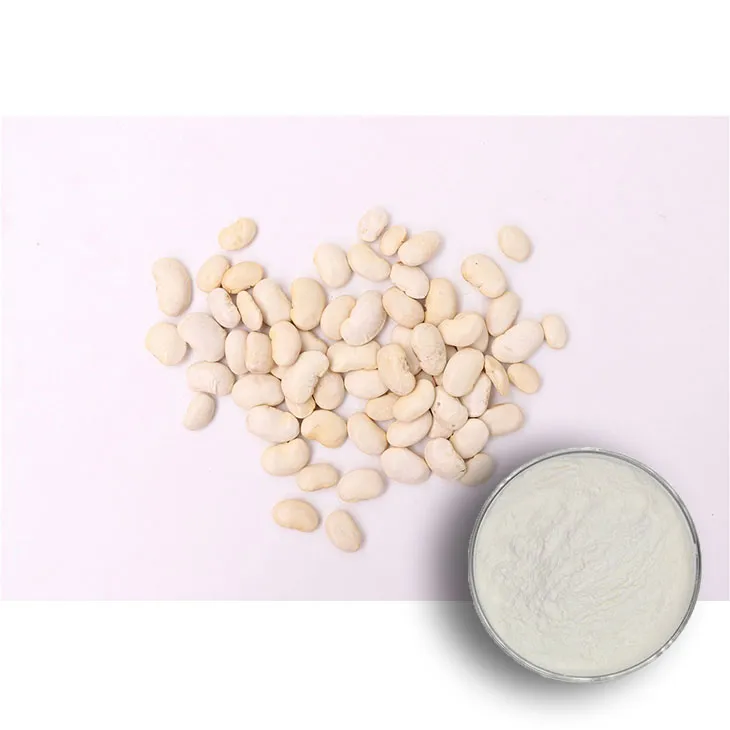
Quality Check on Arrival: When the kidney beans reach the factory, they undergo a thorough quality check. Samples are taken from different batches of the incoming beans and tested for various parameters. These include moisture content (which should be within a certain range to ensure proper processing), purity (absence of foreign matter), and the presence of any contaminants. If any batch fails to meet the quality standards, it is either rejected or set aside for further investigation.
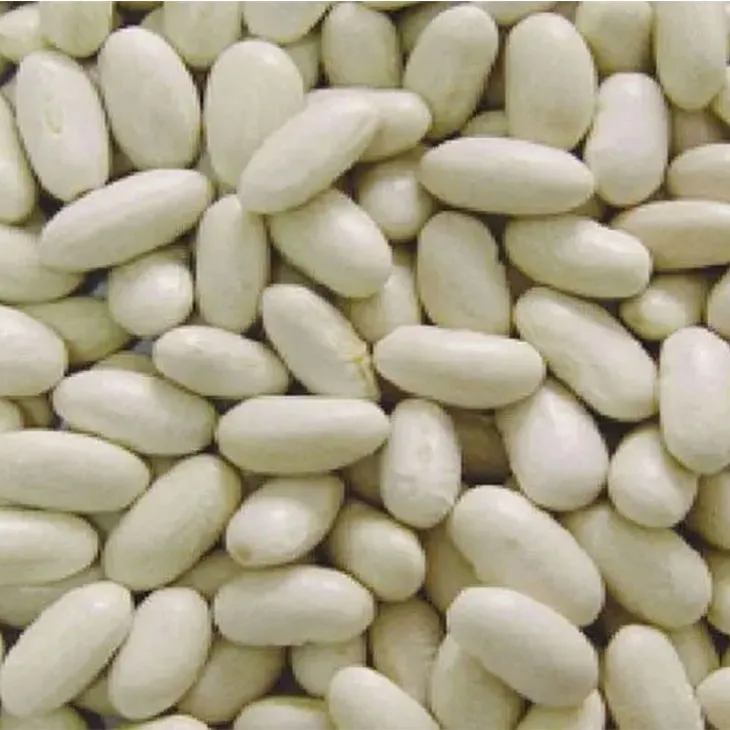
Sorting and Cleaning: After the initial inspection, the kidney beans are sorted and cleaned further. Advanced sorting machines are used to separate beans based on size, shape, and color. This ensures that only uniform and high - quality beans are used for extraction. The beans are then cleaned to remove any remaining dirt, debris, or small stones. This cleaning process may involve washing the beans with water and then drying them thoroughly to prepare them for the extraction process.
Advanced Extraction Techniques
Solvent Extraction: One of the commonly used methods for extracting Kidney Bean Extract in Lvtian International's factory is solvent extraction. A suitable solvent, such as ethanol or hexane, is used to dissolve the active compounds present in the kidney beans. The solvent is carefully chosen based on its ability to selectively extract the desired components while leaving behind unwanted substances. For example, ethanol is a popular choice as it is relatively safe, can dissolve a wide range of compounds, and is easily removable from the final extract. The kidney beans are soaked in the solvent for a specific period, and then the resulting solution is filtered to separate the extract - containing solvent from the solid bean residue.
Supercritical Fluid Extraction: Another advanced technique employed is supercritical fluid extraction. In this method, a supercritical fluid, usually carbon dioxide, is used as the extracting agent. Carbon dioxide is preferred because it can be easily adjusted to supercritical state (by adjusting pressure and temperature) where it has properties of both a liquid and a gas. This allows it to penetrate the kidney bean matrix more effectively and extract the active ingredients with high selectivity. The supercritical carbon dioxide is passed through the kidney beans, and the extract is then separated from the carbon dioxide by changing the pressure and temperature conditions. This technique is more environmentally friendly compared to some traditional extraction methods as it does not leave behind harmful residues.
Purification and Concentration: After the extraction process, the resulting extract is purified and concentrated. This may involve processes such as chromatography, where the different components of the extract are separated based on their chemical properties. The purified extract is then concentrated to increase the concentration of the active ingredients. This is important as it allows for a more potent and effective Kidney Bean Extract product. For example, if the extract is to be used in dietary supplements, a higher concentration of the active compounds may be required to achieve the desired health benefits.
Quality Control in the Factory
Quality control is a continuous process throughout the factory operations.
In - process Quality Monitoring: During the various stages of extraction and processing, samples are regularly taken and tested. For example, during solvent extraction, the concentration of the solvent and the progress of the extraction are monitored. In supercritical fluid extraction, parameters such as pressure, temperature, and flow rate are constantly checked to ensure that the extraction is proceeding as expected. If any deviation from the standard operating procedures is detected, immediate corrective actions are taken.
Final Product Quality Assurance: Before the Kidney Bean Extract is packaged and sent out, a comprehensive final quality check is carried out. The extract is tested for its potency, purity, and safety. Potency tests ensure that the active ingredients are present in the required concentrations. Purity tests check for the absence of any contaminants, such as heavy metals or residual solvents. Safety tests may include toxicity tests on cell cultures or in animal models to ensure that the extract is safe for human consumption. Only if the extract passes all these tests is it considered ready for packaging and distribution.
Conclusion
The journey of Kidney Bean Extract from the farm to the factory of Lvtian International is a complex and carefully orchestrated process. From the initial quality control and sustainable farming practices at the farm level, through the proper harvesting, transportation, and finally to the advanced extraction techniques and strict quality control in the factory, every step is crucial in ensuring the production of top - notch Kidney Bean Extract products. Lvtian International's commitment to this process reflects its dedication to providing high - quality products to the market, meeting the demands of consumers for safe, effective, and sustainable health products.
FAQ:
What are the main quality control measures at the farm level for Kidney Bean Extract?
At the farm level, quality control for Kidney Bean Extract mainly includes several aspects. Firstly, strict seed selection is carried out to ensure that only high - quality kidney bean seeds are used for cultivation. This helps in obtaining beans with good genetic traits. Secondly, during the growth process, regular monitoring of soil conditions, such as nutrient levels and moisture content, is essential. Appropriate fertilization and irrigation are adjusted according to the monitoring results to ensure the healthy growth of kidney beans. Thirdly, pest and disease control is crucial. Integrated pest management strategies are often employed, which may involve the use of biological control agents when possible, to minimize the use of chemical pesticides. This helps to ensure that the kidney beans are free from pesticide residues and are of high quality for extraction.
How does Lvtian International ensure sustainable farming practices?
Lvtian International ensures sustainable farming practices in multiple ways. They promote crop rotation, which helps in maintaining soil fertility and reducing the build - up of pests and diseases. By rotating kidney beans with other suitable crops, the soil can replenish its nutrients naturally. Additionally, water conservation is a key aspect. They may use efficient irrigation systems like drip irrigation to minimize water waste. Lvtian International also encourages the use of natural fertilizers such as compost and manure, which are more environmentally friendly compared to chemical fertilizers. Moreover, they work with local farmers to promote sustainable farming education, providing knowledge on best practices to ensure long - term sustainability in kidney bean cultivation.
What are the advanced extraction techniques used in Lvtian International's factory?
Lvtian International's factory employs several advanced extraction techniques for Kidney Bean Extract. One common technique is solvent extraction. High - quality solvents are carefully selected to ensure efficient extraction of the active compounds from the kidney beans while maintaining their integrity. Another technique is supercritical fluid extraction, which uses supercritical fluids (such as carbon dioxide) under specific pressure and temperature conditions. This method is known for its high selectivity and can produce a purer extract with less solvent residue. Additionally, modern filtration and purification processes are used to further refine the extract, removing any impurities and ensuring a high - quality final product.
How does Lvtian International ensure the quality of Kidney Bean Extract products?
Lvtian International ensures the quality of Kidney Bean Extract products through a comprehensive approach. At the raw material stage, as mentioned before, strict quality control at the farm level is the first step. In the factory, during the extraction process, continuous monitoring of parameters such as temperature, pressure, and extraction time is carried out to ensure consistency. After extraction, multiple quality tests are performed. These tests may include chemical analysis to determine the content of active ingredients, microbiological testing to check for the presence of harmful microorganisms, and physical tests to assess the appearance and solubility of the extract. Only products that pass all these tests are allowed to be packaged and sold, ensuring that customers receive top - notch Kidney Bean Extract products.
What makes Lvtian International a reliable supplier of Kidney Bean Extract?
Lvtian International is a reliable supplier of Kidney Bean Extract for several reasons. Their commitment to quality control from the farm to the factory is a significant factor. By ensuring sustainable farming practices at the source and using advanced extraction techniques in the factory, they can produce high - quality extract. Their comprehensive quality assurance system, which includes strict monitoring and testing at every stage, gives customers confidence in the products. Additionally, Lvtian International may have a good reputation in the industry, which is often built on years of consistent supply of reliable products. They may also have strong customer service, being able to address any concerns or questions from customers promptly, further enhancing their reliability as a supplier.
Related literature
- The Importance of Quality Control in Agricultural Product Extraction"
- "Sustainable Farming Practices for High - Quality Crop Production"
- "Advanced Extraction Techniques in the Food and Pharmaceutical Industries"


-

Artichoke Leaf Extract
2025-01-08
-

Oyster Mushroom Extract Powder
2025-01-08
-

Genistein
2025-01-08
-

Dandelion Leaf Extract
2025-01-08
-

Aged Garlic Extract
2025-01-08
-

Feverfew Extract
2025-01-08
-

Saw Palmetto Extract
2025-01-08
-

Wheat Germ Extract
2025-01-08
-

Curcuma Longa Extract/Turmeric extract
2025-01-08
-

Vitamin C
2025-01-08