


1. Introduction
Lvtian International stands as a prominent player in the supply of sang - ye extract. This journey from the farm to the factory is a complex and meticulous process that involves multiple stages. It not only ensures the production of high - quality sang - ye extract but also adheres to sustainable practices.
2. The Farm - The Origin of Mulberry Leaves
2.1 Soil and Climate Selection
The growth of mulberry leaves, which are the primary raw material for sang - ye extract, is highly dependent on suitable soil and climate conditions. Soil provides the necessary nutrients and support for the growth of mulberry trees. Different types of soil can affect the nutrient uptake and overall health of the plants. For example, well - drained loamy soil is often preferred as it can retain moisture while allowing proper aeration of the roots.
Climate also plays a crucial role. Mulberry trees thrive in temperate to subtropical climates. Adequate sunlight, appropriate temperature ranges, and a certain level of humidity are all factors that contribute to the healthy growth of mulberry leaves. In regions with extreme climates, special cultivation techniques may be required to ensure the quality of the leaves.

2.2 Cultivation Practices
Once the appropriate location with suitable soil and climate is selected, the cultivation of mulberry trees begins. This involves a series of practices to ensure the healthy growth of the trees and the high quality of the leaves.
- Irrigation: Mulberry trees need a consistent supply of water. However, over - watering can lead to water - logging and root rot, while under - watering can cause stress and affect leaf quality. Therefore, a proper irrigation system is essential to maintain the right soil moisture levels.
- Fertilization: Appropriate fertilization is necessary to provide the trees with essential nutrients such as nitrogen, phosphorus, and potassium. Organic fertilizers are often preferred as they can improve soil structure and fertility in the long - term, while also being more environmentally friendly.
- Pest and Disease Control: Mulberry trees are susceptible to various pests and diseases. Integrated pest management (IPM) techniques are commonly used by Lvtian International. This includes the use of natural predators, biological control agents, and, when necessary, minimal use of pesticides. By doing so, the company aims to reduce the impact on the environment while still protecting the crop.
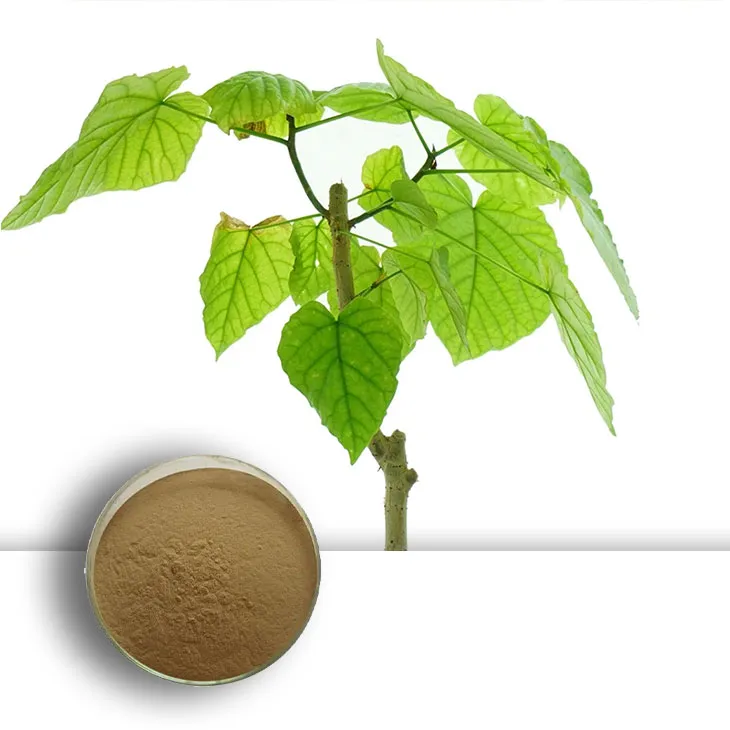
2.3 Leaf Collection
When the mulberry leaves reach the appropriate stage of maturity, they are ready for collection. This is a critical step as the quality of the leaves at the time of collection directly impacts the quality of the final sang - ye extract.
- Timing: The leaves are usually collected at a specific time of the day, often in the morning when the nutrient content is at its peak. This ensures that the maximum amount of bioactive compounds are present in the leaves.
- Harvesting Methods: Gentle harvesting methods are employed to avoid damage to the leaves. Hand - picking is sometimes preferred for high - quality leaves, although mechanized harvesting can also be used for larger - scale operations. In either case, care is taken to ensure that only healthy, undamaged leaves are collected.
3. The Factory - Processing of Sang - ye Extract
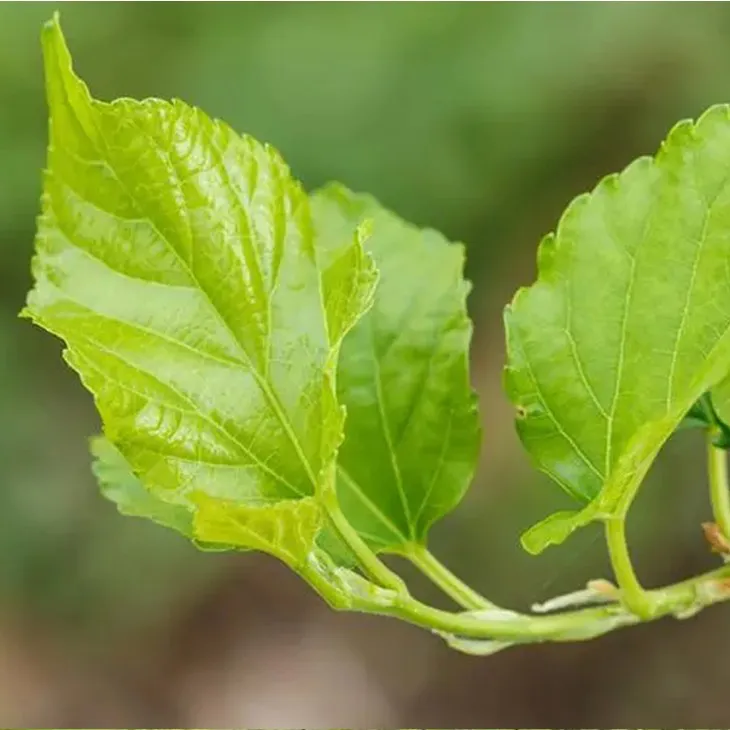
3.1 Receiving and Initial Inspection
Once the mulberry leaves are collected from the farm, they are sent to the factory. At the factory, the first step is the receiving and initial inspection. The leaves are carefully examined for any signs of damage, contamination, or improper handling during transportation.
If any issues are detected, appropriate measures are taken. For example, if there is evidence of pest infestation or mold growth, those batches of leaves may be rejected or treated separately to prevent the spread of problems to other batches.
3.2 Cleaning
After the initial inspection, the leaves undergo a thorough cleaning process. This is crucial to remove any dirt, debris, or foreign matter that may be present on the leaves.
- Mechanical Cleaning: Machines are used to shake off loose dirt and debris. This may involve conveyor belts with gentle vibrations or air - blowing mechanisms to dislodge particles.
- Washing: In some cases, the leaves may be washed with clean water. However, care must be taken to ensure that the leaves are dried properly afterwards to prevent mold growth. Washing can also help to remove any surface pesticides or contaminants.
3.3 Grinding
Once the leaves are clean, they are then sent for grinding. Grinding the mulberry leaves helps to increase the surface area, which is beneficial for the subsequent extraction process.
The grinding process is carefully controlled to achieve the optimal particle size. If the particles are too large, the extraction may not be efficient as the solvents may not be able to penetrate fully. On the other hand, if the particles are too fine, it may lead to difficulties in separation during the later stages of processing.
3.4 Extraction
The extraction process is a key step in obtaining sang - ye extract. Lvtian International uses a variety of methods, depending on the desired end - product and the specific bioactive compounds to be extracted.
- Solvent Extraction: This is a common method where solvents such as ethanol or water are used to extract the bioactive compounds from the ground mulberry leaves. The choice of solvent depends on the solubility of the target compounds. Ethanol is often preferred as it can extract a wide range of compounds while also being relatively safe and easy to handle. The leaves are soaked in the solvent for a certain period, and then the solvent containing the extracted compounds is separated from the solid residue.
- Supercritical Fluid Extraction: In some cases, supercritical fluids such as carbon dioxide may be used. This method has the advantage of being more environmentally friendly as carbon dioxide is a non - toxic and easily removable gas. Supercritical carbon dioxide can penetrate the plant material effectively and selectively extract the desired compounds at specific conditions of pressure and temperature.
3.5 Purification and Concentration
After extraction, the resulting solution may contain not only the desired bioactive compounds but also other impurities. Therefore, a purification and concentration step is necessary.
- Filtration: Filtration is used to remove solid particles and some large - molecule impurities. Different types of filters, such as membrane filters or filter papers, can be used depending on the size of the particles to be removed.
- Chromatography: Chromatography techniques may be employed to separate and purify the bioactive compounds further. This can be based on differences in the physical and chemical properties of the compounds, such as their polarity or molecular size.
- Evaporation and Concentration: To increase the concentration of the bioactive compounds, the solvent may be evaporated under controlled conditions. This helps to reduce the volume of the solution while increasing the concentration of the desired compounds.
4. Quality Control and Assurance
Throughout the entire process, from the farm to the factory, Lvtian International places a strong emphasis on quality control and assurance.
4.1 Farm - level Quality Control
At the farm, regular inspections are carried out to monitor the growth of mulberry trees and the quality of the leaves.
- Soil Testing: Periodic soil testing is done to ensure that the soil nutrient levels are within the appropriate range. This helps in adjusting the fertilization regime as needed.
- Leaf Sampling and Analysis: Samples of mulberry leaves are taken at different growth stages and analyzed for nutrient content, presence of pests or diseases, and other quality parameters. This information is used to make decisions regarding harvesting time and any necessary interventions.
4.2 Factory - level Quality Control
In the factory, multiple quality control checks are performed at each stage of the processing.
- In - process Checks: During the cleaning, grinding, extraction, purification, and concentration steps, samples are taken regularly to monitor the progress and ensure that the process is within the specified parameters. For example, during extraction, the concentration of the target compounds in the solvent is measured to ensure efficient extraction.
- Final Product Testing: Before the sang - ye extract is packaged and shipped, it undergoes comprehensive final product testing. This includes testing for the presence and concentration of specific bioactive compounds, as well as for any contaminants such as heavy metals, pesticides, or microbial contaminants. Only products that meet the strict quality standards are released for sale.
5. Sustainable Practices
5.1 Sustainable Farming on the Farm
Lvtian International promotes sustainable farming methods on the mulberry farms.
- Soil Conservation: Practices such as contour plowing, terracing, and cover cropping are encouraged to prevent soil erosion. These methods help to retain soil moisture, improve soil structure, and reduce the loss of nutrients.
- Water Conservation: Efficient irrigation systems, such as drip irrigation or sprinkler systems with timers, are used to minimize water wastage. Rainwater harvesting systems may also be installed to make use of natural water sources.
- Biodiversity Promotion: The company encourages the maintenance of biodiversity on the farms. This can include the planting of native plants around the mulberry trees to provide habitats for beneficial insects and wildlife. By promoting biodiversity, natural pest control can be enhanced, and the overall ecological balance of the farm can be improved.
5.2 Resource Utilization in the Factory
In the factory, Lvtian International focuses on efficient resource utilization.
- Energy Conservation: The factory is equipped with energy - efficient machinery and lighting systems. Heat recovery systems may be installed to reuse waste heat generated during the extraction process, for example, to pre - heat water or air in other parts of the factory.
- Waste Management: Proper waste management is crucial. By - products from the extraction process are carefully evaluated for potential reuse or recycling. For example, the solid residue left after extraction may be used as compost or for other agricultural purposes, reducing waste and environmental impact.
6. Conclusion
The journey of sang - ye extract from the farm to the factory by Lvtian International is a comprehensive and well - managed process. By paying attention to every detail from the cultivation of mulberry leaves on the farm to the processing in the factory, Lvtian International is able to produce high - quality sang - ye extract while also adhering to sustainable practices. This not only benefits the company in terms of product quality and market competitiveness but also contributes to the overall ecological balance and environmental protection.
FAQ:
1. What are the key factors for growing high - quality mulberry leaves on the farm?
For growing high - quality mulberry leaves, suitable soil and climate conditions are crucial. The soil should be fertile, well - drained, and rich in nutrients. The climate should provide adequate sunlight, proper temperature, and humidity. Also, proper agricultural management such as irrigation, pest control, and fertilization are important factors.
2. What is the scientific extraction process of Sang - ye extract in Lvtian International?
The scientific extraction process in Lvtian International involves several steps. First, the collected mulberry leaves are thoroughly cleaned to remove dirt and impurities. Then, they are ground into a fine powder. After that, extraction is carried out using solvents or other appropriate methods. This process helps to extract the bioactive compounds from the mulberry leaves effectively.
3. What bioactive compounds are usually found in Sang - ye extract?
Sang - ye extract is rich in various bioactive compounds. These may include flavonoids, alkaloids, polysaccharides, etc. Flavonoids are known for their antioxidant properties, alkaloids may have certain pharmacological effects, and polysaccharides can play a role in immune regulation and other biological functions.
4. How does Lvtian International ensure sustainable practices?
Lvtian International ensures sustainable practices in two main aspects. On the farm, it promotes environmentally - friendly farming methods. This may include reducing chemical pesticide and fertilizer use, conserving water, and protecting soil quality. In the factory, it focuses on efficient resource utilization, such as optimizing the extraction process to reduce waste and energy consumption.
5. Why is Sang - ye extract important?
Sang - ye extract is important because of its rich bioactive compounds. These compounds endow it with various potential health benefits. For example, its antioxidant properties can help prevent oxidative damage in the body, and its potential pharmacological effects may be useful in treating certain diseases or maintaining health.
Related literature
- The Bioactive Compounds and Health Benefits of Mulberry leaf Extract"
- "Sustainable Production of Herbal Extracts: A Case Study of Sang - ye Extract"
- "The Role of Mulberry Leaves in the Production of High - Quality Extracts"


-

Curcumin
2024-12-12
-

Apple Vinegar Powder
2024-12-12
-

Moringa powder
2024-12-12
-

Fenugreek Extract Powder
2024-12-12
-

Garcinia Cambogia Extract
2024-12-12
-

Artichoke Leaf Extract
2024-12-12
-

Yam Extract
2024-12-12
-

Marigold Extract
2024-12-12
-

Black Pepper Extract
2024-12-12
-

Polygonum multiflorum extract
2024-12-12