


1. Introduction
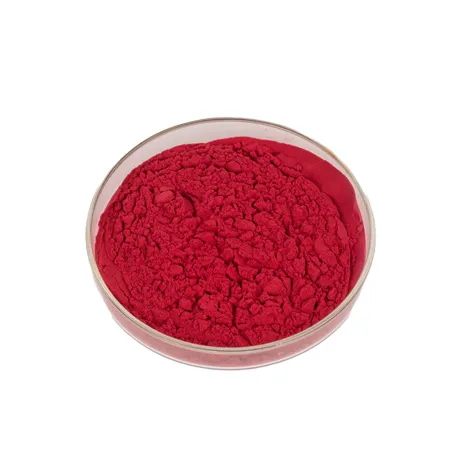
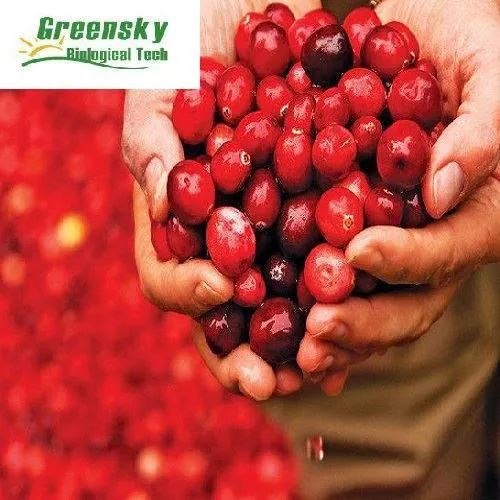
Cranberries, those small, tart red fruits, have been the focus of much scientific research in recent years. Cranberry Extract, in particular, has emerged as a potentially powerful natural remedy with a wide range of health benefits. This article delves deep into the science behind Cranberry Extract, exploring its chemical composition and the evidence supporting its efficacy in promoting health.
2. Chemical Composition of Cranberry Extract
Cranberry Extract is a complex mixture of various bioactive compounds. One of the most important groups of compounds found in Cranberry Extract are the proanthocyanidins (PACs). These are large molecules that belong to the flavonoid family of polyphenols.
2.1 Proanthocyanidins (PACs)
PACs in Cranberry Extract are unique in their structure. They are composed of multiple units of flavan - 3 - ol monomers, such as catechin and epicatechin. These monomers are linked together in a specific way, which gives cranberry PACs their distinct properties. The degree of polymerization (DP), which refers to the number of monomer units in a PAC molecule, can vary. Cranberry PACs typically have a DP ranging from 3 to 10, although some may have a higher DP. Research has shown that the specific structure and DP of cranberry PACs play a crucial role in their biological activity.
Another important component of Cranberry Extract is organic acids. These include citric acid, malic acid, and quinic acid. The presence of these acids contributes to the tart taste of cranberries and also has implications for their health benefits. For example, citric acid is involved in the body's acid - base balance and can enhance the absorption of certain minerals.

2.2 Vitamins and Minerals
Cranberry Extract also contains a variety of vitamins and minerals, albeit in relatively small amounts. It is a source of Vitamin C, which is an antioxidant that helps protect cells from damage. Additionally, cranberries contain potassium, which is important for maintaining proper heart function and fluid balance in the body. Although these vitamins and minerals are not the primary active components of Cranberry Extract, they do contribute to the overall nutritional value of cranberries and may have a synergistic effect with the other bioactive compounds.
3. Efficacy of Cranberry Extract in Preventing Infections
Cranberry Extract has long been associated with the prevention of urinary tract infections (UTIs). The mechanism behind this is thought to be related to its ability to prevent the adhesion of bacteria, particularly Escherichia coli (E. coli), to the urinary tract epithelium.
3.1 Anti - Adhesive Properties
The PACs in Cranberry Extract are believed to be the key players in its anti - adhesive properties. They interact with the fimbriae, which are hair - like appendages on the surface of bacteria. In the case of E. coli, the type 1 fimbriae are involved in the attachment to the urinary tract cells. Cranberry PACs can bind to these fimbriae, preventing the bacteria from adhering to the cells. This makes it easier for the body to flush the bacteria out of the urinary tract through urination, thus reducing the risk of infection.
Studies have shown that Cranberry Extract can be effective in both preventing the initial colonization of bacteria in the urinary tract and reducing the recurrence of UTIs. For example, a meta - analysis of several clinical trials found that cranberry products, such as cranberry juice or Cranberry Extract supplements, were associated with a significant reduction in the risk of UTI recurrence in women with a history of recurrent UTIs.

3.2 Other Infections
In addition to UTIs, Cranberry Extract may also have potential in preventing other types of infections. Some research has suggested that it may have anti - infective properties against Helicobacter pylori, the bacteria responsible for peptic ulcers. The anti - adhesive mechanism similar to that in UTIs may play a role here as well, although more research is needed to fully understand the relationship.
Cranberry Extract has also been investigated for its potential in preventing respiratory tract infections. While the evidence is not as strong as for UTIs, some in vitro and animal studies have shown that Cranberry Extract may have antiviral and antibacterial activities that could potentially be beneficial in reducing the risk of respiratory infections.
4. Cranberry Extract and Cardiovascular Health
The relationship between Cranberry Extract and cardiovascular health has also been the subject of much research. There are several ways in which Cranberry Extract may contribute to a healthy heart.
4.1 Antioxidant Activity
The PACs and other antioxidants in Cranberry Extract play a crucial role in protecting the cardiovascular system. Oxidative stress is a major factor in the development of cardiovascular diseases, as it can damage blood vessels, promote the formation of atherosclerotic plaques, and increase the risk of blood clot formation. By scavenging free radicals and reducing oxidative stress, Cranberry Extract can help maintain the integrity of blood vessels and prevent the progression of cardiovascular diseases.
Studies have shown that Cranberry Extract can increase the antioxidant capacity of the blood, as measured by biomarkers such as total antioxidant status (TAS) and superoxide dismutase (SOD) activity. This antioxidant effect may also have a beneficial impact on other aspects of cardiovascular health, such as reducing inflammation and improving endothelial function.
4.2 Lipid - Lowering Effects
Some research has suggested that Cranberry Extract may have lipid - lowering effects. It may help reduce levels of low - density lipoprotein (LDL) cholesterol, also known as "bad" cholesterol, while increasing levels of high - density lipoprotein (HDL) cholesterol, or "good" cholesterol. The exact mechanism for this is not fully understood, but it may be related to the interaction of Cranberry Extract with lipid metabolism pathways in the body. By improving the lipid profile, Cranberry Extract can potentially reduce the risk of atherosclerosis, a condition characterized by the build - up of fatty deposits in the arteries.
4.3 Anti - Inflammatory Properties
Inflammation is a key factor in the development of cardiovascular diseases. Cranberry Extract has been shown to possess anti - inflammatory properties, which can help reduce the chronic inflammation associated with heart disease. The anti - inflammatory effects of Cranberry Extract may be mediated through its ability to modulate the activity of inflammatory cytokines and cells, such as macrophages. By reducing inflammation, Cranberry Extract can contribute to a healthier cardiovascular system.
5. Other Potential Health Benefits of Cranberry Extract
Beyond its effects on preventing infections and promoting cardiovascular health, Cranberry Extract may have other potential health benefits.
5.1 Anti - Cancer Properties
Some in vitro and animal studies have suggested that Cranberry Extract may have anti - cancer properties. The antioxidants in Cranberry Extract, such as PACs, may be able to prevent cancer cell growth and induce apoptosis (programmed cell death) in cancer cells. For example, research has shown that Cranberry Extract may have potential in inhibiting the growth of breast cancer cells, colon cancer cells, and prostate cancer cells. However, it is important to note that more human studies are needed to confirm these findings and to determine the appropriate dosage and form of Cranberry Extract for cancer prevention.
5.2 Oral Health
Cranberry Extract may also be beneficial for oral health. Its anti - adhesive properties, which are effective against bacteria in the urinary tract, may also work against oral bacteria. This could potentially help prevent dental plaque formation, gingivitis, and tooth decay. Some studies have shown that cranberry - based products can reduce the levels of oral bacteria, such as Streptococcus mutans, which is a major contributor to dental caries.
5.3 Anti - Aging Effects
The antioxidant activity of Cranberry Extract may contribute to its anti - aging effects. By reducing oxidative stress, Cranberry Extract can help protect cells from damage and slow down the aging process. This may be manifested in various ways, such as improved skin health, reduced wrinkles, and better cognitive function in older adults. However, more research is needed to fully understand the relationship between Cranberry Extract and anti - aging.
6. Dosage and Safety Considerations
When considering the use of Cranberry Extract for its health benefits, it is important to take into account dosage and safety issues.
6.1 Dosage
The appropriate dosage of Cranberry Extract can vary depending on the intended use. For preventing UTIs, some studies have used dosages equivalent to consuming 30 - 36 mg of PACs per day. However, for other health benefits, such as cardiovascular health or cancer prevention, the optimal dosage has not been clearly established. It is also important to note that different forms of Cranberry Extract, such as capsules, tablets, or liquid extracts, may have different bioavailability, which can affect the effective dosage.
6.2 Safety
Cranberry Extract is generally considered safe for most people when consumed in moderation. However, it may interact with certain medications. For example, Cranberry Extract may increase the risk of bleeding when taken with anticoagulant medications, such as warfarin. It may also interact with medications that are metabolized by the liver, such as some statins. Therefore, it is important to consult a healthcare provider before starting Cranberry Extract supplementation, especially if you are taking any medications.
7. Conclusion
Cranberry Extract is a rich source of bioactive compounds with a wide range of potential health benefits. Its chemical composition, including PACs, organic acids, vitamins, and minerals, contributes to its efficacy in preventing infections, promoting cardiovascular health, and potentially having other beneficial effects. While more research is needed to fully understand the mechanisms of action and to determine the optimal dosage for different health conditions, Cranberry Extract shows great promise as a natural and safe supplement for maintaining health. However, it is important to use it with caution, especially when taking medications, to ensure safety and effectiveness.
FAQ:
What is the main chemical composition of Cranberry Extract?
Cranberry Extract contains various compounds. Prominent among them are proanthocyanidins, which are polyphenols. These proanthocyanidins play a crucial role in many of the health - related properties associated with Cranberry Extract. It also contains flavonoids, organic acids, and vitamins such as Vitamin C and some minerals.
How does Cranberry Extract prevent urinary tract infections?
Cranberry Extract prevents urinary tract infections (UTIs) mainly through the action of its proanthocyanidins. These compounds prevent bacteria, especially Escherichia coli (E. coli), from adhering to the cells lining the urinary tract. By inhibiting this adhesion, the bacteria are less likely to colonize and cause an infection.
Can Cranberry Extract really enhance cardiovascular health? If so, how?
Yes, Cranberry Extract can enhance cardiovascular health. It may do so through several mechanisms. The antioxidants in Cranberry Extract, such as flavonoids, help reduce oxidative stress in the body. This oxidative stress can damage blood vessels and contribute to the development of cardiovascular diseases. Additionally, Cranberry Extract may have anti - inflammatory properties that can also benefit the cardiovascular system by reducing inflammation in blood vessels.
Are there any side effects associated with Cranberry Extract?
For most people, Cranberry Extract is safe when consumed in moderation. However, some individuals may experience side effects. High doses of Cranberry Extract may cause stomach upset, diarrhea, or an increased risk of kidney stones in those who are predisposed to them. Also, Cranberry Extract may interact with certain medications, such as blood thinners, so it's important to consult a healthcare provider before starting to take it.
How much Cranberry Extract should one consume for optimal health benefits?
The optimal amount of Cranberry Extract for health benefits can vary depending on several factors, such as age, gender, and overall health status. Generally, for preventing UTIs, a daily intake of around 36 - 72 mg of proanthocyanidins from Cranberry Extract has been studied. However, more research is needed to determine the exact amounts for other health benefits, such as cardiovascular health. It's always best to consult a healthcare professional for personalized advice.
Related literature
- The Chemical Composition and Biological Activities of Cranberries"
- "Cranberry Extract in the Prevention of Urinary Tract Infections: A Review of the Evidence"
- "Cranberry and Cardiovascular Health: A Review of the Current Evidence"


-

Carrageenan Extract Powder
2024-12-11
-

L-Citrullin-DL-malate
2024-12-11
-

Antler Extract
2024-12-11
-

Honeysuckle Pollen
2024-12-11
-

Feverfew Extract
2024-12-11
-

Baicalin
2024-12-11
-

Polygonum multiflorum extract
2024-12-11
-

Vitamin D3
2024-12-11
-

Natural grape seed extract
2024-12-11
-

Hericium erinaceus extract powder
2024-12-11