


1. Introduction
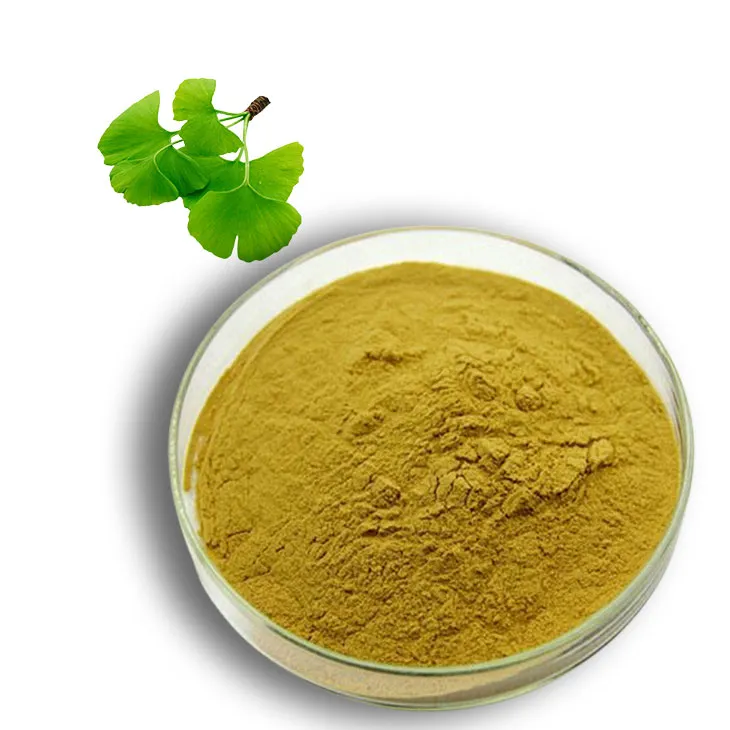
Ginkgo biloba, often referred to as a "living fossil," has been the focus of extensive scientific research in recent years. The Ginkgo Biloba Extract derived from its leaves has gained significant popularity due to its potential health benefits. Understanding the science behind this extract, including its chemical composition and efficacy, is crucial for evaluating its role in health promotion and disease prevention.
2. Chemical Composition of Ginkgo Biloba Extract
The Ginkgo Biloba Extract is a complex mixture of various chemical compounds. Two major groups of compounds play a vital role in its functionality: flavonol glycosides and terpene lactones.
2.1 Flavonol Glycosides
Flavonol glycosides are synthesized within the ginkgo leaves. They are a type of flavonoid, a large class of plant - derived polyphenolic compounds. These flavonol glycosides contribute to the antioxidant and anti - inflammatory effects of Ginkgo Biloba Extract.
Antioxidant activity is a crucial aspect of flavonol glycosides. In cells, they can act as free - radical scavengers. Free radicals are highly reactive molecules that can cause damage to cells through a process known as oxidative stress. For example, they can oxidize lipids, proteins, and DNA within cells. By reducing oxidative stress, flavonol glycosides can help protect cells from damage and maintain their normal physiological functions.
The anti - inflammatory effect of flavonol glycosides is also significant. Inflammation is a natural response of the body to injury or infection. However, chronic inflammation can lead to various diseases, such as cardiovascular diseases, arthritis, and certain cancers. Flavonol glycosides can modulate the body's inflammatory response by inhibiting the production of pro - inflammatory molecules and promoting the production of anti - inflammatory ones.
2.2 Terpene Lactones
Terpene lactones are another important component of the Ginkgo Biloba Extract. These compounds are thought to have a positive impact on the central nervous system. There are two main types of terpene lactones in ginkgo biloba: ginkgolides and bilobalide.
Research has suggested that terpene lactones can enhance the blood flow in the brain. By dilating blood vessels in the brain, they can ensure an adequate supply of oxygen and nutrients to brain cells. This is particularly important for maintaining normal brain function, as the brain is highly dependent on a constant supply of oxygen and glucose.
Moreover, terpene lactones may play a role in protecting brain cells from damage. They can act as antioxidants in the brain, similar to flavonol glycosides in other parts of the body. Additionally, they may have a direct effect on neuronal function, such as modulating neurotransmitter release and receptor activity.
3. Efficacy of Ginkgo Biloba Extract
The unique chemical composition of Ginkgo Biloba Extract gives rise to its diverse efficacy in various aspects of health.
3.1 Cognitive Function
One of the most well - known potential benefits of Ginkgo Biloba Extract is its effect on cognitive function. Research has indicated that it might enhance memory and concentration.
In studies involving both healthy individuals and those with mild cognitive impairment, Ginkgo biloba extract has shown some positive effects on memory tasks. For example, in some double - blind, placebo - controlled trials, participants who took Ginkgo Biloba Extract showed improvement in short - term memory recall compared to those who took a placebo.
The mechanisms underlying this cognitive enhancement may be related to the effects of terpene lactones on the central nervous system. By improving blood flow to the brain and protecting brain cells from damage, terpene lactones may create a more favorable environment for cognitive processes to occur.

3.2 Cardiovascular Health
In the cardiovascular realm, Ginkgo Biloba Extract has several potential beneficial effects.
One of the important effects is on blood lipid levels. High levels of lipids, such as cholesterol and triglycerides, in the blood are a major risk factor for cardiovascular diseases. Ginkgo Biloba Extract has been shown to help regulate blood lipid levels. It may act by inhibiting the synthesis of lipids in the liver or by enhancing their metabolism in the body.
Another aspect is blood pressure regulation. High blood pressure is a common health problem that can lead to heart disease, stroke, and other complications. Some studies have suggested that Ginkgo Biloba Extract can have a mild hypotensive effect. It may work by relaxing blood vessels, thereby reducing the resistance to blood flow and lowering blood pressure.
Furthermore, Ginkgo Biloba Extract may also have anti - platelet activity. Platelets are small cell fragments in the blood that play a crucial role in blood clotting. Excessive platelet activation can lead to the formation of blood clots, which can block blood vessels and cause heart attacks or strokes. By inhibiting platelet activation, Ginkgo Biloba Extract may reduce the risk of thrombosis.

3.3 Other Potential Benefits
Besides cognitive function and cardiovascular health, Ginkgo Biloba Extract may have other potential benefits.
- It may have a role in eye health. Some research has suggested that it can protect the retina from damage, possibly due to its antioxidant properties. The retina is a highly sensitive tissue in the eye that is vulnerable to oxidative stress.
- There is also some evidence that Ginkgo Biloba Extract may have anti - cancer properties. However, more research is needed in this area. It may act by modulating the body's immune system or by interfering with the growth and spread of cancer cells.
- In addition, it may have a positive impact on mental health, such as reducing symptoms of anxiety and depression. Although the mechanisms are not fully understood, it may be related to its effects on the central nervous system and neurotransmitter regulation.
4. Research Limitations and Future Directions
While there is a growing body of evidence supporting the potential benefits of Ginkgo Biloba Extract, there are also some research limitations.
One limitation is the variability in the quality and composition of Ginkgo Biloba Extract products on the market. Different extraction methods and product formulations can result in significant differences in the concentration and activity of the active compounds. This makes it difficult to compare the results of different studies and draw definitive conclusions.
Another limitation is the relatively small sample sizes in some studies. Larger - scale, well - designed studies are needed to confirm the efficacy of Ginkgo Biloba Extract in different populations and for different health conditions.
For the future, several research directions can be considered.
- Standardization of Ginkgo Biloba Extract products is crucial. This includes developing uniform extraction methods and quality control standards to ensure the consistency of product composition and activity.
- Long - term studies are needed to evaluate the safety and efficacy of Ginkgo Biloba Extract. Most existing studies are relatively short - term, and the long - term effects, especially with continuous use, are not well - understood.
- Further research is also required to explore the underlying mechanisms of action of Ginkgo biloba extract at the molecular and cellular levels. This will help to better understand how it exerts its various effects on the body and may lead to the development of more targeted and effective therapies.
5. Conclusion
In conclusion, the Ginkgo Biloba Extract is a fascinating subject of scientific research. Its chemical composition, rich in flavonol glycosides and terpene lactones, endows it with diverse functions, including antioxidant, anti - inflammatory, and effects on cognitive function and cardiovascular health. While there are still some research limitations, the potential health benefits of Ginkgo Biloba Extract make it a promising natural product for health promotion. Continued research in this area will help to further clarify its efficacy, safety, and optimal use, and may open up new avenues for the development of preventive and therapeutic strategies in various health fields.
FAQ:
What are the main chemical components in Ginkgo Biloba Extract?
The main chemical components in Ginkgo Biloba Extract are flavonol glycosides and terpene lactones. These substances are synthesized and stored within the ginkgo leaves.
How do flavonol glycosides in Ginkgo Biloba Extract work?
Flavonol glycosides in Ginkgo Biloba Extract contribute to its antioxidant and anti - inflammatory effects. For example, they can reduce oxidative stress in cells.
What is the role of terpene lactones in Ginkgo Biloba Extract?
Terpene lactones in Ginkgo Biloba Extract are thought to have a positive impact on the central nervous system. For instance, research has indicated that Ginkgo Biloba Extract might enhance memory and concentration with the help of terpene lactones.
Can Ginkgo Biloba Extract benefit the cardiovascular system?
Yes, in the cardiovascular realm, Ginkgo Biloba Extract can help regulate blood lipid levels and blood pressure.
What is the significance of studying the science behind Ginkgo Biloba Extract?
Studying the science behind Ginkgo Biloba Extract uncovers its significant value in health promotion, such as its antioxidant, anti - inflammatory, memory - enhancing, concentration - improving, and cardiovascular - regulating effects.
Related literature
- The Chemistry and Biological Activity of Ginkgo biloba"
- "Efficacy and Safety of Ginkgo Biloba Extract in Health and Disease"


-

Hedyotis Diffusa Extract
2024-12-13
-

Passionflower Extract
2024-12-13
-

Nutmeg Extract
2024-12-13
-

Fenugreek Extract Powder
2024-12-13
-

Tamarind extract powder
2024-12-13
-

D-Mannose
2024-12-13
-

Angelica sinensis extract
2024-12-13
-

Okra Extract
2024-12-13
-

Orange Flavor Powder
2024-12-13
-

Honeysuckle Pollen
2024-12-13