


1. Introduction
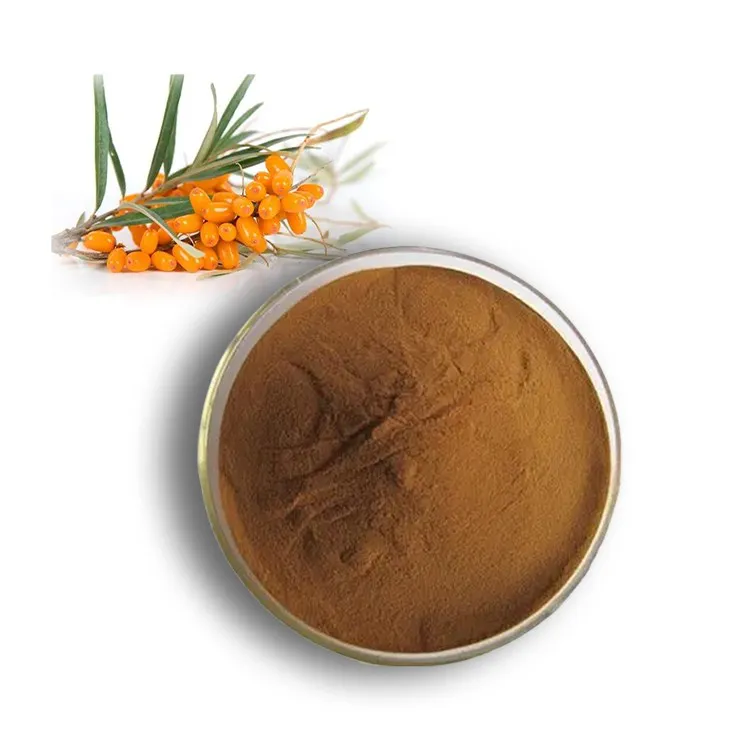
SeaBuckthorn bark extract has a variety of potential values, and understanding its extraction process is of great significance. The extraction process involves several steps, from the collection and pretreatment of seabuckthorn bark to the final purification of the extract.
2. Collection and Pretreatment of Seabuckthorn Bark
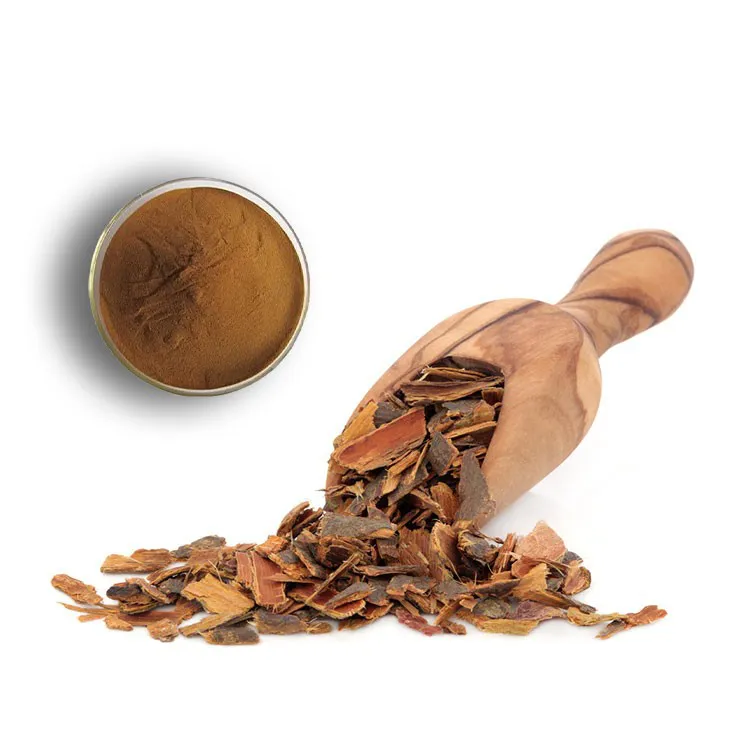
The first step in obtaining seaBuckthorn bark extract is the collection of seabuckthorn bark. This should be done carefully to ensure the quality of the raw material. Seabuckthorn is a plant widely distributed in certain regions. After collection, the bark needs to be pretreated. The main purpose of pretreatment is to remove impurities such as dirt, leaves, and other unwanted substances. This can be achieved through simple physical methods, such as washing and sieving.
3. Selection of Extraction Solvents
3.1 Organic Solvents
Depending on the target substances to be extracted, an appropriate extraction solvent needs to be selected. One common type of solvent is ethanol, which is an organic solvent widely used in extraction processes. Ethanol has good solubility for many active ingredients in seabuckthorn bark. It can effectively dissolve various bioactive compounds, such as flavonoids and phenolic acids. Other organic solvents may also be considered depending on the specific requirements of the extraction.
3.2 Water
Water is also a possible extraction solvent. It is a green and environmentally friendly option. Although water may not have the same solubility characteristics as organic solvents for all substances, it can be very effective for extracting certain water - soluble components in seabuckthorn bark. In some cases, a combination of water and organic solvents may be used to achieve a more comprehensive extraction.
4. Extraction Methods
4.1 Maceration Method
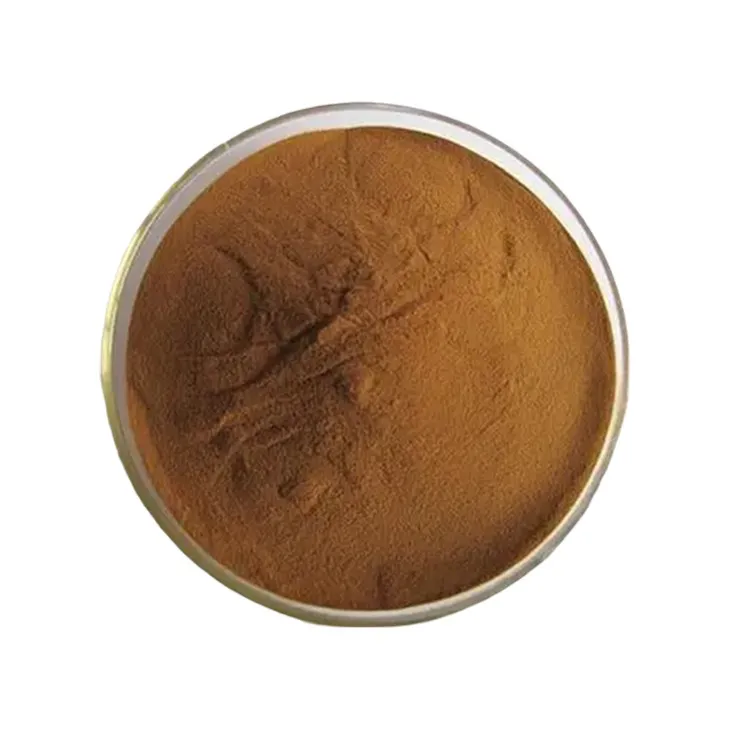
The maceration method is a relatively simple extraction technique. In this method, the seabuckthorn bark is immersed in the selected solvent for a certain period of time. This allows the solvent to penetrate the bark and dissolve the target substances. However, one of the main drawbacks of this method is that it is time - consuming. For example, depending on the nature of the bark and the target substances, the immersion time may range from several hours to days. But it has the advantage of being easy to operate and does not require complex equipment.
4.2 Percolation Method
The percolation method is more efficient compared to the maceration method. In this process, the solvent is continuously passed through the seabuckthorn bark. This constant flow of the solvent helps to extract the target substances more effectively. However, the equipment requirements for this method are relatively complex. Special percolation devices are needed to ensure the proper flow rate and extraction efficiency. Moreover, the operation process needs to be carefully controlled to avoid problems such as solvent waste and incomplete extraction.
4.3 Ultrasound - Assisted Extraction Method
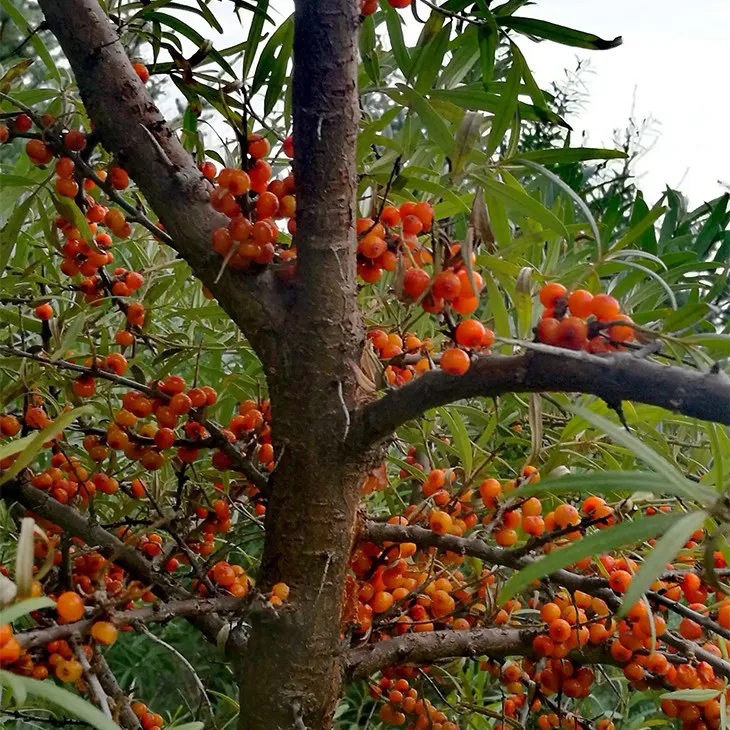
The ultrasound - assisted extraction method utilizes the cavitation effect of ultrasound. When ultrasound is applied to the extraction system, it creates tiny bubbles in the solvent. These bubbles collapse violently, creating local high - temperature and high - pressure environments. This helps to break the cell walls of the seabuckthorn bark more easily and accelerates the dissolution of the effective components, thereby significantly improving the extraction efficiency. Compared with the traditional extraction methods, it can shorten the extraction time and may also improve the yield and quality of the extract. However, this method also requires special ultrasound equipment and appropriate operating parameters need to be set to ensure the best extraction results.
5. Refining Steps
5.1 Filtration
After the extraction process, the first refining step is filtration. The purpose of filtration is to remove solid impurities such as bark residues from the extract. This can be achieved through various filtration methods, such as filter paper filtration, membrane filtration, or vacuum filtration. Filter paper filtration is a simple and commonly used method for small - scale extractions. Membrane filtration can be more precise in removing smaller particles and is often used in more advanced extraction processes. Vacuum filtration can speed up the filtration process by applying a vacuum.
5.2 Concentration
The next step is concentration. After filtration, the extract usually contains a large amount of solvent, and the concentration of the target substances is relatively low. Concentration is necessary to increase the concentration of the active ingredients. This can be done through methods such as evaporation under reduced pressure. By reducing the pressure, the solvent can be evaporated at a lower temperature, which helps to preserve the activity of the active ingredients. Another method is heat - induced evaporation, but this method needs to be carefully controlled to avoid overheating and damage to the active ingredients.
5.3 Drying
The final refining step is drying. Drying is used to remove the remaining solvent completely and obtain a dry seaBuckthorn bark extract. There are several drying methods available, such as air drying, oven drying, and freeze - drying. Air drying is a simple and natural method, but it is relatively slow and may be affected by environmental factors such as humidity. Oven drying can speed up the drying process, but the drying temperature needs to be carefully controlled to prevent over - drying and degradation of the extract. Freeze - drying is a more advanced drying method that can better preserve the structure and activity of the active ingredients, but it is also more expensive and requires special equipment.
6. Conclusion
In conclusion, the extraction process of seaBuckthorn bark extract is a complex but well - organized process. From the collection and pretreatment of seabuckthorn bark, the selection of appropriate extraction solvents, the application of different extraction methods, to the final refining steps, each step plays an important role in obtaining a high - quality seaBuckthorn bark extract. Understanding these processes can help in better exploiting the potential value of seaBuckthorn bark extract in various fields such as medicine, cosmetics, and food.
FAQ:
1. What are the common extraction solvents for seaBuckthorn bark extract?
Common extraction solvents include organic solvents such as ethanol and water, which are selected according to different target substances to be extracted.
2. What are the advantages and disadvantages of the maceration method in the extraction of seaBuckthorn bark extract?
The maceration method is simple to operate. It involves soaking the bark in the solvent for a certain period of time. However, it is time - consuming.
3. How does the percolation method work in the extraction of seaBuckthorn bark extract?
The percolation method has a relatively high efficiency. It allows the solvent to continuously pass through the seabuckthorn bark to extract the effective components, but it requires relatively complex equipment.
4. What is the principle of ultrasonic - assisted extraction method in the extraction of seaBuckthorn bark extract?
The ultrasonic - assisted extraction method utilizes the cavitation effect of ultrasound, which can accelerate the dissolution of effective components and improve the extraction efficiency.
5. What are the refining steps after the extraction of seaBuckthorn bark extract?
After extraction, refining steps such as filtration, concentration, and drying are required to obtain pure seaBuckthorn bark extract.
Related literature
- Study on the Extraction Technology of Active Components from Seabuckthorn Bark
- Research on the Optimization of SeaBuckthorn bark extract Extraction Process


-

Rutin
2024-12-07
-

Melatonin
2024-12-07
-

Pomegranate Extract
2024-12-07
-

Konjac Powder
2024-12-07
-

Carrageenan Extract Powder
2024-12-07
-

Mango flavored powder
2024-12-07
-

Coconut Water Powder
2024-12-07
-

Diosmin
2024-12-07
-

Avocado Extract Powder
2024-12-07
-

Sugarcane Extract
2024-12-07