


1. Medical Applications
Curcumin has been the focus of extensive medical research due to its diverse pharmacological properties.
1.1 Anti - cancer Effects
One of the most significant areas of research regarding Curcumin is its anti - cancer potential. It can act on cancer cells in multiple ways. For instance, Curcumin has the ability to induce apoptosis, which is the programmed cell death in cancer cells. This is a crucial mechanism as it can help in eliminating cancer cells without causing excessive damage to normal cells.
Moreover, Curcumin can interfere with cancer cell signaling pathways. Cancer cells rely on complex signaling systems to grow, divide, and metastasize. By disrupting these pathways, Curcumin can halt the progression of cancer. For example, it can affect the PI3K - AKT - mTOR pathway, which is often dysregulated in many types of cancer.
Another important aspect is its role in suppressing angiogenesis. Tumors need a constant supply of nutrients and oxygen, which they obtain through the formation of new blood vessels, a process known as angiogenesis. Curcumin can inhibit the growth factors and enzymes involved in angiogenesis, such as vascular endothelial growth factor (VEGF). This starves the tumors, preventing their further growth and spread.

1.2 Anti - inflammatory Properties
Chronic inflammation is associated with a wide range of diseases, including arthritis, cardiovascular diseases, and some autoimmune disorders. Curcumin has powerful anti - inflammatory effects. It can modulate the activity of various inflammatory mediators such as cytokines, chemokines, and prostaglandins.
For example, in the case of rheumatoid arthritis, Curcumin can reduce the levels of pro - inflammatory cytokines like interleukin - 1β (IL - 1β) and tumor necrosis factor - α (TNF - α). This helps in alleviating the pain, swelling, and joint damage associated with the disease.
Additionally, Curcumin can also target the nuclear factor - κB (NF - κB) pathway, which is a key regulator of inflammation. By inhibiting NF - κB activation, Curcumin can suppress the expression of many inflammatory genes.

1.3 Antioxidant Activity
Antioxidant activity is another important pharmacological property of Curcumin. Free radicals are highly reactive molecules that can cause damage to cells, proteins, and DNA. This oxidative damage is implicated in aging, cancer, and neurodegenerative diseases.
Curcumin can scavenge free radicals and prevent oxidative damage. It has been shown to be effective against reactive oxygen species (ROS) and reactive nitrogen species (RNS). For example, in neurodegenerative diseases like Alzheimer's and Parkinson's, Curcumin can protect neurons from oxidative stress - induced damage.
Moreover, Curcumin can also enhance the body's own antioxidant defense systems. It can upregulate the expression of antioxidant enzymes such as superoxide dismutase (SOD), catalase (CAT), and glutathione peroxidase (GPx).

1.4 Other Medical Applications
Curcumin also shows potential in other medical areas. For example, in the treatment of diabetes, it can improve insulin sensitivity and regulate blood glucose levels. It may act by inhibiting certain enzymes involved in carbohydrate metabolism or by reducing inflammation in adipose tissue.
In the field of gastroenterology, Curcumin can protect the gastric mucosa from damage caused by factors such as Helicobacter pylori infection and non - steroidal anti - inflammatory drugs (NSAIDs). It can also have a role in treating inflammatory bowel diseases like ulcerative colitis and Crohn's disease by reducing intestinal inflammation.
Additionally, Curcumin has been studied for its potential in improving cognitive function and mood. It may act on neurotransmitter systems or by reducing neuroinflammation in the brain.
2. Nutraceutical Applications
In the nutraceutical industry, Curcumin is a highly valued ingredient. It is added to a variety of functional foods and beverages due to its health - promoting properties.
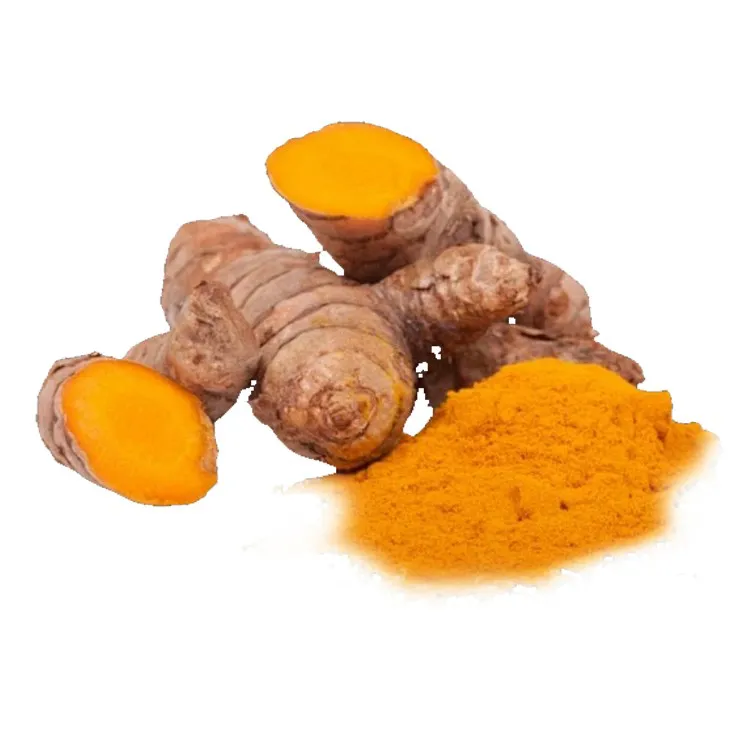
2.1 Incorporation into Functional Foods
Curcumin can be added to different types of foods to enhance their nutritional value. For example, it can be incorporated into smoothies. A turmeric - based smoothie with added Curcumin can provide not only a delicious taste but also a dose of anti - inflammatory and antioxidant benefits.
Another popular addition is to energy bars. These bars are often consumed by people looking for a quick energy boost and added nutrition. Curcumin in energy bars can offer health benefits such as reducing inflammation and protecting cells from oxidative damage during physical activity.
It can also be added to breakfast cereals. This makes the cereals more than just a source of carbohydrates but also a vehicle for delivering Curcumin's health - promoting properties, especially for those who have a busy lifestyle and may not have time to take supplements separately.

2.2 Use in Functional Beverages
In the beverage industry, Curcumin is finding its way into various products. Teas are a common medium for Curcumin addition. Turmeric tea, which contains Curcumin, has become popular for its potential health benefits. It can be consumed both hot and cold and is often marketed as a natural remedy for various ailments.
Juices are another area where Curcumin is being used. Adding Curcumin to fruit or vegetable juices can increase their antioxidant and anti - inflammatory properties. For example, a carrot - orange juice with Curcumin can provide a refreshing and healthy drink option.
There are also efforts to incorporate Curcumin into sports drinks. During exercise, the body is exposed to oxidative stress. Curcumin in sports drinks can help in reducing this oxidative stress and potentially enhance athletic performance and recovery.
3. Applications in Art Conservation
Curcumin has shown some unique applications in the field of art conservation.
3.1 Protection Against Oxidation
Artworks, especially those made of materials such as paper and canvas, are susceptible to oxidation over time. Oxidation can cause the degradation of these materials, leading to fading, brittleness, and loss of structural integrity.
Curcumin's antioxidant properties can be utilized to protect artworks from oxidation. It can be applied in a controlled manner, either as a coating or a treatment solution. For example, in the case of old manuscripts on paper, a Curcumin - based treatment can slow down the oxidation process, preserving the text and the quality of the paper for a longer period.
3.2 Antimicrobial Protection
Microbial growth can also pose a significant threat to artworks. Fungi and bacteria can colonize on the surface of art materials and cause damage. Curcumin has antimicrobial properties that can be harnessed for art conservation.
It can inhibit the growth of common art - degrading microorganisms such as Aspergillus and Penicillium fungi. By applying Curcumin - based solutions to artworks, especially in areas with high humidity where microbial growth is more likely, the risk of microbial damage can be reduced.
However, it is important to note that the application of Curcumin in art conservation needs to be carefully studied and optimized to ensure that it does not cause any adverse effects on the artworks, such as color changes or chemical interactions with the existing materials.
4. Cosmetic Applications
Curcumin has also found applications in the cosmetic industry.
4.1 Skin Health
Due to its anti - inflammatory and antioxidant properties, Curcumin can be beneficial for skin health. It can be used in skincare products to treat various skin conditions. For example, in the case of acne, Curcumin can reduce inflammation and kill the bacteria associated with acne formation.
It can also be used to reduce the signs of aging. Curcumin can protect the skin from oxidative damage caused by UV radiation and environmental pollutants. This can help in reducing wrinkles, fine lines, and improving skin elasticity.
In addition, Curcumin can be incorporated into moisturizers and creams to soothe irritated skin. It can reduce redness and itching associated with skin irritations such as eczema and dermatitis.
4.2 Hair Care
In hair care, Curcumin can be used to promote healthy hair growth. It can stimulate the hair follicles by improving blood circulation in the scalp. This can be beneficial for people experiencing hair loss or thinning hair.
Curcumin also has the potential to improve the quality of hair. It can strengthen the hair shaft, making the hair less prone to breakage. Additionally, it can add shine to the hair by reducing frizz and improving the overall texture.
5. Industrial Applications
Beyond the fields of medicine, nutraceuticals, art conservation, and cosmetics, Curcumin has some potential industrial applications.
5.1 Food Packaging
The antioxidant and antimicrobial properties of Curcumin can be utilized in food packaging. It can be incorporated into packaging materials such as films and coatings. For example, a Curcumin - based coating on food packaging can prevent the growth of bacteria and fungi on the surface of the package, reducing the risk of food contamination.
Moreover, the antioxidant properties of Curcumin can help in protecting the food inside the package from oxidative rancidity. This can extend the shelf life of food products, especially those that are prone to oxidation such as oils and fats.
5.2 Textile Industry
In the textile industry, Curcumin can be used as a natural dye. It can produce a range of yellow - orange colors on different types of fabrics. Moreover, due to its antimicrobial properties, Curcumin - dyed textiles may have some additional benefits such as resistance to microbial growth. This can be useful for applications such as making clothing for medical or sports purposes where hygiene is important.
FAQ:
Question 1: How does Curcumin induce apoptosis in cancer cells?
Curcumin can interact with various intracellular molecules in cancer cells. It may modulate certain proteins and enzymes that are involved in the apoptotic machinery. For example, it can affect the expression of Bcl - 2 family proteins, which play a crucial role in regulating the mitochondrial pathway of apoptosis. By influencing the balance between pro - apoptotic and anti - apoptotic proteins, Curcumin can trigger the cascade of events leading to programmed cell death in cancer cells.
Question 2: What makes Curcumin a good ingredient for functional foods?
Curcumin has anti - inflammatory and antioxidant properties. In functional foods, these properties are highly desirable. The anti - inflammatory effect can help reduce chronic inflammation in the body, which is associated with many diseases. The antioxidant effect helps neutralize free radicals, protecting cells from oxidative damage. These health - promoting qualities make Curcumin a valuable addition to functional foods such as smoothies and energy bars.
Question 3: Can Curcumin be used to treat all types of cancer?
As of now, Curcumin is being investigated for its anti - cancer potential, but it cannot be said that it can be used to treat all types of cancer. Different cancers have different genetic and molecular characteristics. While Curcumin has shown promising results in some cancer cell lines and pre - clinical studies for certain cancers like colorectal cancer and breast cancer, more research is needed to determine its effectiveness across all cancer types. Clinical trials are also ongoing to evaluate its actual therapeutic potential in human cancer patients.
Question 4: How does Curcumin protect artworks in art conservation?
Curcumin has antioxidant and antimicrobial properties. In art conservation, artworks made of materials like paper and canvas are often exposed to environmental factors. Oxidation can cause the degradation of these materials over time. Curcumin can scavenge free radicals generated during oxidation processes, thereby preventing or slowing down the degradation. Also, its antimicrobial properties can inhibit the growth of microorganisms such as bacteria and fungi that can also damage artworks.
Question 5: Are there any side effects of Curcumin in nutraceutical applications?
When used in nutraceutical applications, Curcumin is generally considered safe. However, in some cases, high doses may cause mild side effects such as gastrointestinal discomfort, including nausea, diarrhea, or indigestion. Also, Curcumin may interact with certain medications, so it is important for people taking medications to consult a healthcare provider before consuming Curcumin - containing products.
Related literature
TAGS:


-

Calendula Extract
2024-12-17
-

Cocoa Extract
2024-12-17
-

Black Garlic Extract
2024-12-17
-

Hawthorn powder
2024-12-17
-

Beetroot Powder
2024-12-17
-

Lemon Extract
2024-12-17
-

Hericium erinaceus extract powder
2024-12-17
-

Nutmeg Extract
2024-12-17
-

Reishi mushroom extract
2024-12-17
-

Aged Garlic Extract
2024-12-17