


1. Introduction
Yam Extract, a natural product, has been attracting increasing attention in various fields due to its rich composition and diverse properties. It is derived from yams, which are tuberous plants known for their nutritional value. This extract contains a variety of bioactive substances that endow it with different functions and applications.
2. Medical Uses
2.1 Blood Sugar Regulation
One of the significant medical applications of Yam Extract is in blood sugar regulation. Yam contains certain polysaccharides that play a crucial role in this regard. For diabetic patients, maintaining stable blood sugar levels is of utmost importance. The polysaccharides in Yam Extract can help modulate the body's glucose metabolism. They may slow down the absorption of carbohydrates in the digestive tract, preventing rapid spikes in blood sugar levels after meals. This property makes Yam Extract a potential complementary treatment option for diabetes management, in addition to the traditional medications and lifestyle modifications.

2.2 Immune System Boosting
Yam Extract also has the potential to boost the immune system. It contains various nutrients and bioactive compounds that can enhance the function of immune cells. For example, some antioxidants present in the extract can protect immune cells from oxidative damage. These antioxidants scavenge free radicals in the body, which are harmful molecules that can disrupt the normal function of cells, including immune cells. By reducing oxidative stress, Yam Extract helps the immune system to function more effectively, enabling the body to better defend against infections and diseases.

2.3 Anti - inflammatory Effects
Another important medical use of Yam Extract is its anti - inflammatory effects. Chronic inflammation is associated with many diseases, such as arthritis, cardiovascular diseases, and certain cancers. The bioactive compounds in Yam Extract can inhibit the production of inflammatory mediators in the body. These mediators, such as cytokines and prostaglandins, are responsible for initiating and perpetuating the inflammatory response. By reducing their production, Yam Extract can help alleviate inflammation and potentially reduce the risk of developing inflammation - related diseases.
3. Cosmetics Industry Applications
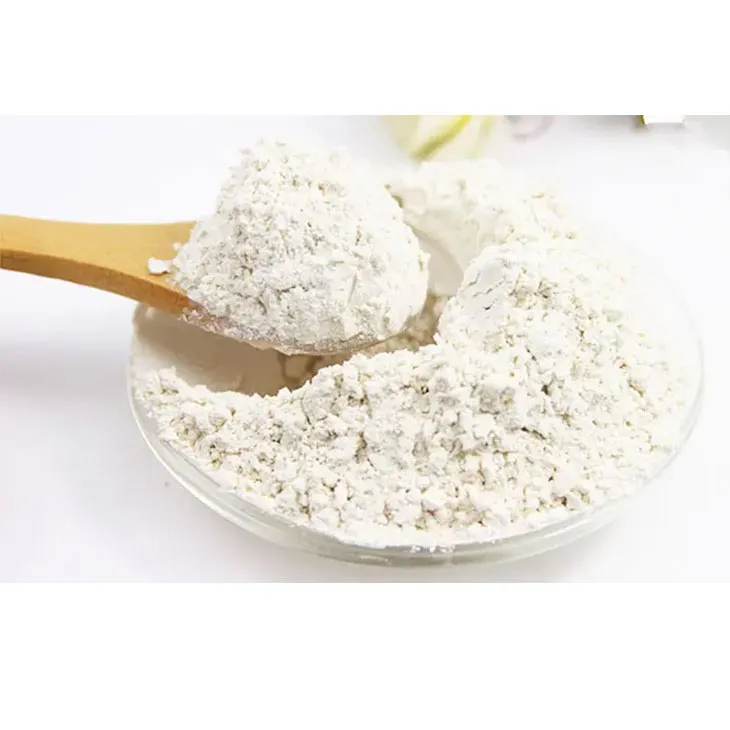
3.1 Skin Nourishment
In the cosmetics industry, Yam Extract is highly valued for its ability to nourish the skin. It is rich in vitamins (such as Vitamin C, which is essential for collagen synthesis and skin health) and minerals (like potassium and magnesium). These nutrients can penetrate the skin layers and provide essential nourishment. Vitamin C, for instance, not only helps in collagen production but also has antioxidant properties that protect the skin from environmental damage, such as UV radiation and pollution. The minerals in Yam Extract contribute to maintaining the skin's electrolyte balance, which is crucial for proper skin function.
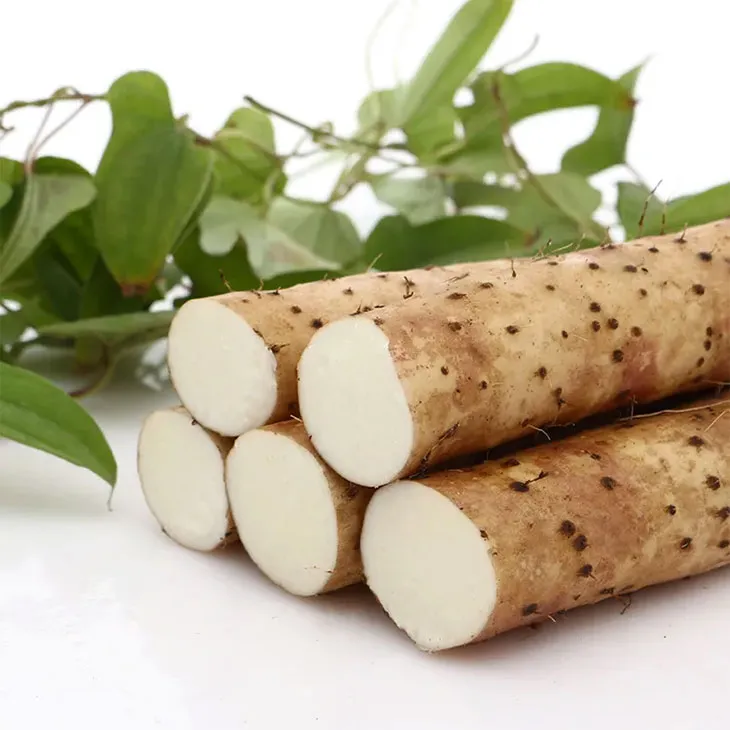
3.2 Skin Elasticity Enhancement
Yam Extract is also a popular ingredient in skincare products for enhancing skin elasticity. As people age, the skin loses its elasticity due to a decrease in collagen and elastin production. The nutrients in Yam Extract can stimulate the production of collagen and elastin in the skin. Collagen provides structural support to the skin, while elastin gives it the ability to stretch and recoil. By promoting the synthesis of these two important proteins, Yam Extract can help the skin maintain its firmness and elasticity, reducing the appearance of sagging skin.
3.3 Anti - aging Benefits
The anti - aging properties of Yam Extract make it a sought - after ingredient in the cosmetics market. In addition to its effects on skin elasticity, Yam Extract can also reduce the appearance of wrinkles. The antioxidants in the extract help to neutralize free radicals that cause premature aging of the skin. Free radicals can damage the skin cells' DNA and proteins, leading to the formation of wrinkles. By scavenging these free radicals, Yam Extract can slow down the aging process and keep the skin looking youthful and smooth.
4. Food - related Uses
4.1 Natural Flavor Enhancer
Yam Extract can be used as a natural flavor enhancer in the food area. It imparts a unique and pleasant flavor to various food products. The flavor of Yam Extract is earthy and slightly sweet, which can enhance the overall taste profile of foods. For example, in some traditional recipes, Yam Extract can be added to soups, stews, or sauces to give them a more complex and rich flavor. It can also be used in bakery products, such as bread or cakes, to add a subtle and distinct flavor note.
4.2 Preservative
Another important use of Yam Extract in the food industry is as a preservative. It contains certain compounds that have antimicrobial properties. These compounds can inhibit the growth of bacteria, yeasts, and molds in food. By preventing microbial growth, Yam Extract can help prolong the shelf life of food products. This is especially beneficial for perishable foods, such as fruits, vegetables, and dairy products. Using Yam Extract as a preservative can reduce the need for synthetic preservatives, which may have potential health risks and are not always well - received by consumers who prefer natural products.
5. Conclusion
In conclusion, Yam Extract has a wide range of uses in medicine, cosmetics, and the food industry. Its diverse properties, including blood sugar regulation, immune system boosting, skin nourishment, flavor enhancement, and preservation, make it a valuable natural product. However, further research is still needed to fully understand its mechanisms of action and to explore more potential applications. With the increasing demand for natural products in various fields, Yam Extract is likely to gain more attention and play an even more important role in the future.
FAQ:
Question 1: How does Yam Extract regulate blood sugar levels?
Yam Extract contains certain polysaccharides which play a role in regulating blood sugar levels. These polysaccharides may interact with the body's metabolic processes related to glucose uptake and utilization, but the exact mechanisms are still being studied.
Question 2: Are there any side effects of using Yam Extract in cosmetics?
Generally, when used as an ingredient in cosmetics, Yam Extract is considered safe for most people. However, some individuals may be allergic to it. It is always recommended to do a patch test before using any new cosmetic product containing Yam Extract.
Question 3: Can Yam Extract replace artificial preservatives completely in food?
While Yam Extract can act as a preservative, it may not be able to completely replace artificial preservatives in all cases. Its preservative effect might not be as strong or long - lasting as some artificial ones. Also, the amount that can be used in food is often limited due to flavor and regulatory reasons.
Question 4: How is Yam Extract obtained for these different uses?
Yam Extract is typically obtained through various extraction methods. This may involve processes such as grinding the yam into a pulp, then using solvents like water or alcohol to extract the bioactive compounds. The extract is then purified and concentrated for different applications.
Question 5: Is Yam Extract suitable for all skin types in cosmetics?
Yam Extract is generally beneficial for most skin types. Its nutrients can nourish dry skin, improve the elasticity of aging skin, and help balance oily skin. However, as mentioned before, those with allergies to Yam Extract should avoid products containing it.
Question 6: How much Yam Extract should be consumed for blood sugar regulation?
The appropriate amount of Yam Extract for blood sugar regulation has not been precisely determined. It depends on various factors such as an individual's overall health, diet, and the severity of blood sugar problems. It is best to consult a healthcare provider before using Yam Extract for this purpose.
Related literature
- The Bioactive Compounds in Yam Extract and Their Health Benefits"
- "Yam Extract in Cosmetics: A Review of Its Efficacy and Safety"
- "The Use of Yam Extract as a Natural Preservative in the Food Industry"


-

Senna Leaf Extract
2025-02-10
-

Bromelain
2025-02-10
-

Lemon Juice Powder
2025-02-10
-

Medicinal Marshmallow Extract
2025-02-10
-

White mustard seed extract
2025-02-10
-

Vitamin K2
2025-02-10
-

Tormentil Extract
2025-02-10
-

Chia Seed Powder
2025-02-10
-

Elderberry Extract
2025-02-10
-

White Willow Bark Extract
2025-02-10