


1. Introduction
Mulberry leaf Extract has gained significant popularity in various industries, including the food, pharmaceutical, and cosmetic sectors. Due to its potential health benefits and diverse applications, many customers are interested in wholesaling this product. However, when engaging in wholesale, there are several important factors that customers need to be aware of to ensure they get high - quality products and make a sound business decision.
2. Quality Assurance
2.1 Certifications
One of the primary aspects to consider is quality assurance. Certifications play a crucial role in determining the quality of Mulberry leaf Extract. For example, the Good Manufacturing Practice (GMP) certification is highly significant. A product with GMP certification indicates that it has been manufactured under strict quality control standards. This includes aspects such as proper handling of raw materials, clean production facilities, and accurate documentation throughout the manufacturing process.
Another important certification could be ISO (International Organization for Standardization) related to quality management. ISO certifications ensure that the company adheres to international quality standards in terms of production, management, and customer service. When wholesaling Mulberry leaf Extract, customers should look for suppliers who can provide evidence of these certifications.

2.2 Testing Reports
Asking for testing reports from the supplier is also essential. These reports should include details about the chemical composition of the Mulberry leaf Extract, such as the content of active ingredients. For example, Mulberry leaf Extract is known for its flavonoids content, which has antioxidant properties. The testing report should accurately state the percentage of flavonoids present. Additionally, reports on heavy metal content are crucial. Heavy metals such as lead, mercury, and cadmium can be harmful if present in excessive amounts. A reliable supplier should be able to provide testing reports showing that the levels of these heavy metals are within the acceptable limits set by regulatory authorities.
Microbial testing reports are also necessary. The extract should be free from harmful microorganisms such as bacteria, fungi, and viruses. If the product is intended for use in the food or cosmetic industry, compliance with microbial safety standards is of utmost importance. Wholesalers should ensure that the supplier can provide up - to - date testing reports on microbial content.
3. Source of Mulberry Leaves
3.1 Organic Sources
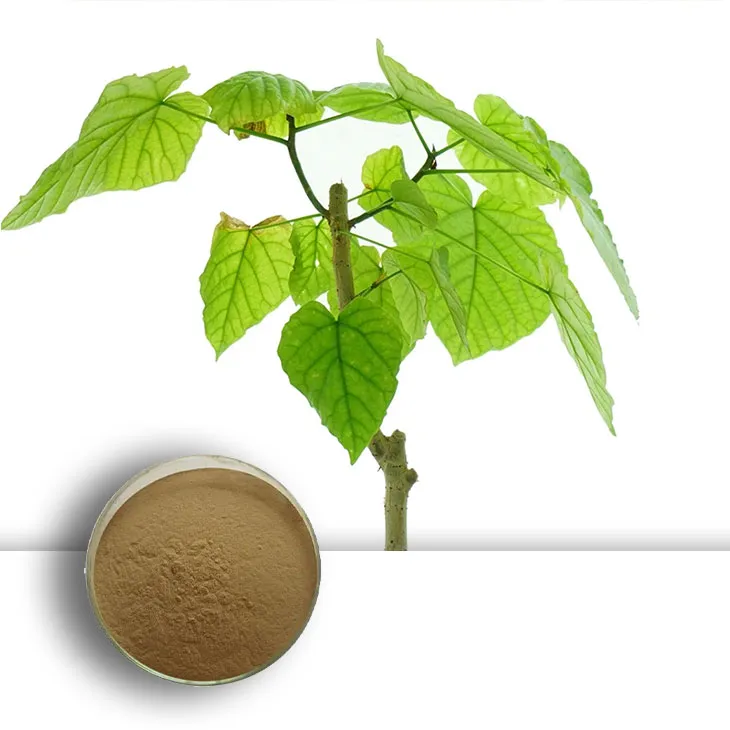
The source of mulberry leaves is a factor that cannot be overlooked. Organic sources are often preferred. Mulberry leaves sourced from organic farms are grown without the use of synthetic pesticides, fertilizers, and genetically modified organisms (GMOs). Organic farming practices promote soil health, biodiversity, and environmental sustainability. When the leaves are organically grown, it is more likely that the resulting extract will be of high quality and free from chemical residues.
Organic Mulberry leaf Extract may also have a better taste and aroma, which can be important for applications in the food and beverage industry. For example, in the production of herbal teas or dietary supplements, the natural flavor of the extract can enhance the overall product quality.
3.2 Sustainable Sources
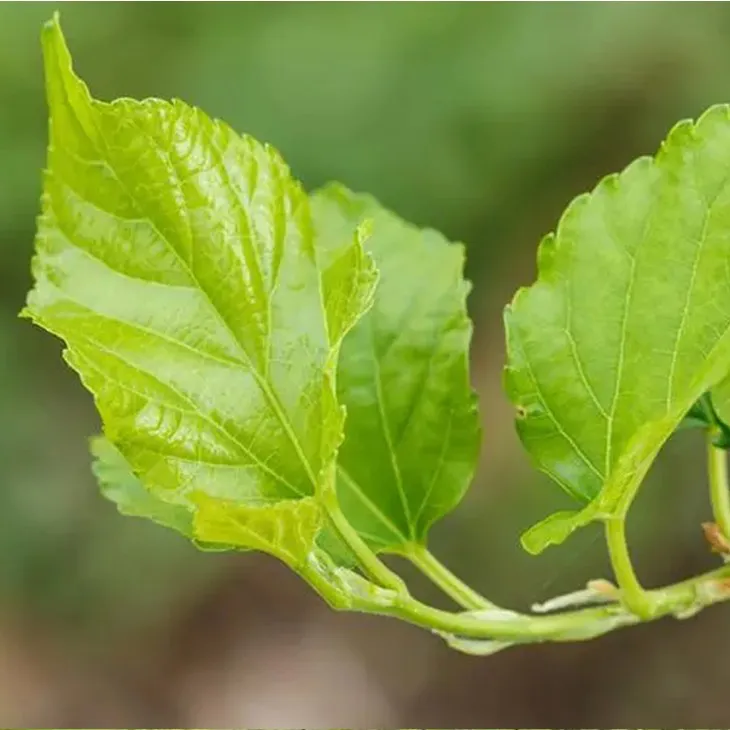
In addition to organic sources, sustainable sources are also crucial. Sustainable sourcing ensures that the mulberry trees are harvested in a way that does not deplete the natural resources or harm the ecosystem. This includes considerations such as proper forest management, replanting, and protecting the habitats of other organisms associated with the mulberry trees.
A sustainable source of mulberry leaves can also contribute to the long - term availability of the product. If the harvesting is done in an unsustainable manner, it may lead to a decline in the quantity and quality of mulberry leaves over time. Wholesalers should look for suppliers who are committed to sustainable sourcing practices and can provide information about their environmental conservation efforts.
4. Extraction Method
4.1 Types of Extraction
Understanding the extraction method is necessary as it has a direct impact on the composition and efficacy of the Mulberry leaf Extract. There are several types of extraction methods, such as solvent extraction, supercritical fluid extraction, and microwave - assisted extraction.
Solvent extraction is a common method. However, the choice of solvent can affect the quality of the extract. For example, if ethanol is used as a solvent, it is important to ensure that the residual solvent levels in the final product are within the safe limits. Some solvents may also extract unwanted compounds along with the active ingredients, which can affect the purity of the extract.
Supercritical fluid extraction, often using carbon dioxide as the supercritical fluid, is considered a more advanced and "cleaner" method. It can produce extracts with higher purity and better preservation of the active components. However, this method may be more expensive compared to solvent extraction.
Microwave - assisted extraction is a relatively new method that can reduce extraction time and energy consumption. But it also requires careful control of parameters such as microwave power and extraction time to ensure the quality of the extract.
4.2 Impact on Composition and Efficacy
The extraction method can significantly influence the composition of the Mulberry leaf Extract. Different methods may result in different ratios of active ingredients, such as flavonoids, alkaloids, and polysaccharides. For example, a poorly executed extraction method may lead to a lower content of flavonoids, which are important for antioxidant activity.
The efficacy of the extract in various applications also depends on the extraction method. In the pharmaceutical industry, an extract with a higher content of active ingredients and better purity may have stronger therapeutic effects. In the cosmetic industry, an extract with well - preserved active components may have better skin - enhancing properties. Wholesalers should choose suppliers who use extraction methods that can ensure high - quality extracts with optimal composition and efficacy.
5. Pricing and Cost - effectiveness
5.1 Pricing Factors
When wholesaling Mulberry leaf Extract, pricing is an important consideration. The price of the extract can be influenced by multiple factors. Quality is a major factor. Higher - quality extracts, which are often associated with better - sourced raw materials, advanced extraction methods, and strict quality control, tend to be more expensive.
The quantity of the order also affects the price. Larger wholesale orders may be eligible for discounts. Suppliers may offer volume - based pricing, where the unit price decreases as the order quantity increases. However, customers should also be cautious not to sacrifice quality for a lower price. It is important to find a balance between cost and quality.
Market demand and competition can also impact the price. If there is high demand for Mulberry leaf Extract in the market and limited supply, the price may be higher. On the other hand, if there are many suppliers competing in the market, prices may be more competitive.
5.2 Cost - effectiveness
While considering the price, cost - effectiveness is also crucial. A product may seem cheap initially, but if it does not meet the required quality standards or has a lower efficacy, it may not be cost - effective in the long run. For example, if a lower - quality extract requires a higher dosage to achieve the same effect as a high - quality extract, the overall cost may be higher when considering the quantity needed.
Customers should also consider the potential for value - added products. A high - quality Mulberry leaf Extract may be used to develop premium - quality products in the food, pharmaceutical, or cosmetic industries, which can command a higher price in the market. This can increase the overall cost - effectiveness of the wholesale purchase.
6. Supplier Reputation and Reliability
6.1 Reputation in the Industry
The reputation of the supplier is a key factor when wholesaling Mulberry leaf Extract. A supplier with a good reputation in the industry is more likely to provide high - quality products and reliable services. Reputation can be determined by factors such as the length of time the supplier has been in business, customer reviews, and industry awards or recognitions.
Long - established suppliers often have more experience in handling Mulberry leaf Extract. They are more likely to have established relationships with reliable sources of raw materials and have well - developed production and quality control processes. Customer reviews can provide valuable insights into the supplier's product quality, delivery time, and customer service. Positive reviews indicate that the supplier has a history of satisfying customers.
6.2 Reliability in Delivery and Service
Supplier reliability also includes aspects such as delivery time and after - sales service. Timely delivery is crucial for wholesalers, especially when they have their own production schedules or customer orders to fulfill. A reliable supplier should be able to provide accurate delivery estimates and meet those deadlines.
After - sales service is also important. If there are any issues with the product, such as quality problems or incorrect shipments, the supplier should be responsive and able to resolve the issues promptly. This may include providing replacements, refunds, or technical support depending on the nature of the problem.
7. Regulatory Compliance
7.1 Local and International Regulations
When wholesaling Mulberry leaf Extract, regulatory compliance is essential. Different countries and regions may have their own regulations regarding the production, sale, and use of food and dietary supplements. In some countries, Mulberry leaf Extract may be classified as a food ingredient, while in others it may be considered a dietary supplement or even a pharmaceutical ingredient.
For international wholesale, it is necessary to be aware of the regulations in both the source country and the destination countries. For example, the European Union has strict regulations on the maximum levels of certain substances in food and dietary supplements. Suppliers should be able to provide products that comply with these regulations. In the United States, the Food and Drug Administration (FDA) also has guidelines for dietary supplements, including requirements for labeling, safety, and manufacturing processes.
7.2 Documentation and Labeling
Proper documentation and labeling are part of regulatory compliance. Suppliers should be able to provide documentation such as certificates of analysis, batch records, and manufacturing licenses. The product label should contain accurate information about the product, including the ingredients, usage instructions, and any relevant warnings or precautions.
For example, if the Mulberry leaf Extract contains allergens, this should be clearly stated on the label. Incorrect or incomplete labeling can lead to legal issues and also affect the marketability of the product. Wholesalers should ensure that the suppliers they choose are fully compliant with regulatory requirements regarding documentation and labeling.
8. Conclusion
Wholesaling Mulberry leaf Extract requires careful consideration of multiple factors. Quality assurance, source of mulberry leaves, extraction method, pricing, supplier reputation, and regulatory compliance are all important aspects that customers need to pay attention to. By taking these factors into account, customers can make more informed decisions and ensure that they obtain high - quality Mulberry leaf Extract that meets their business requirements and regulatory obligations.
FAQ:
Question 1: How can customers verify the GMP certification of Mulberry leaf Extract?
Customers can ask the wholesaler to provide the relevant GMP certification documents. They can also check with the official GMP certification organization or relevant regulatory authorities to verify the authenticity of the certification.
Question 2: What are the advantages of mulberry leaves from organic sources?
Organic mulberry leaves are less likely to be contaminated with pesticides and chemical fertilizers. They often contain more natural nutrients, which may lead to a higher - quality Mulberry leaf Extract with better health - promoting properties.
Question 3: How does the extraction method influence the quality of Mulberry leaf Extract?
Different extraction methods can result in different compositions of the extract. For example, some extraction methods may better preserve the active ingredients, while others may cause partial loss. A proper extraction method can ensure the efficacy of the extract in aspects such as blood - sugar regulation and antioxidant properties.
Question 4: Are there any specific regulations for wholesaling Mulberry leaf Extract?
Yes, there may be regulations regarding product quality, labeling, and safety. Customers should ensure that the wholesaler complies with relevant local and international regulations to avoid potential legal issues.
Question 5: How can customers compare the prices of different Mulberry leaf Extracts during wholesale?
Customers should not only consider the price but also the quality. They can compare the cost - effectiveness by evaluating the quality parameters such as the content of active ingredients, the source of mulberry leaves, and the extraction method. Additionally, comparing prices from different wholesalers can help find a more reasonable deal.
Related literature
TAGS:


-

Marigold Extract
2024-12-21
-

Almond Extract Powder
2024-12-21
-

Hesperidin
2024-12-21
-

Reishi mushroom extract
2024-12-21
-

Alfalfa Meal
2024-12-21
-

Artichoke Leaf Extract
2024-12-21
-

Phellodendron Extract
2024-12-21
-

Carrageenan Extract Powder
2024-12-21
-

Hops Extract
2024-12-21
-

Dragon Fruit Powder
2024-12-21