


1. Introduction
White mustard seed extract has emerged as a significant ingredient in multiple industries. Its potential benefits and versatile applications have led to a growing interest among producers and consumers alike. This article aims to provide a comprehensive understanding of its manufacturing process and the factors driving future demand growth.
2. Manufacturing Process of White mustard seed extract
2.1 Raw Material Selection
The process begins with the careful selection of white mustard seeds. High - quality seeds are crucial for obtaining a good - quality extract. Seeds are typically sourced from reliable suppliers who ensure proper cultivation and harvesting practices. Factors such as the origin of the seeds, their genetic purity, and absence of contaminants are carefully considered. For example, seeds from regions known for favorable growing conditions and strict agricultural regulations are often preferred.
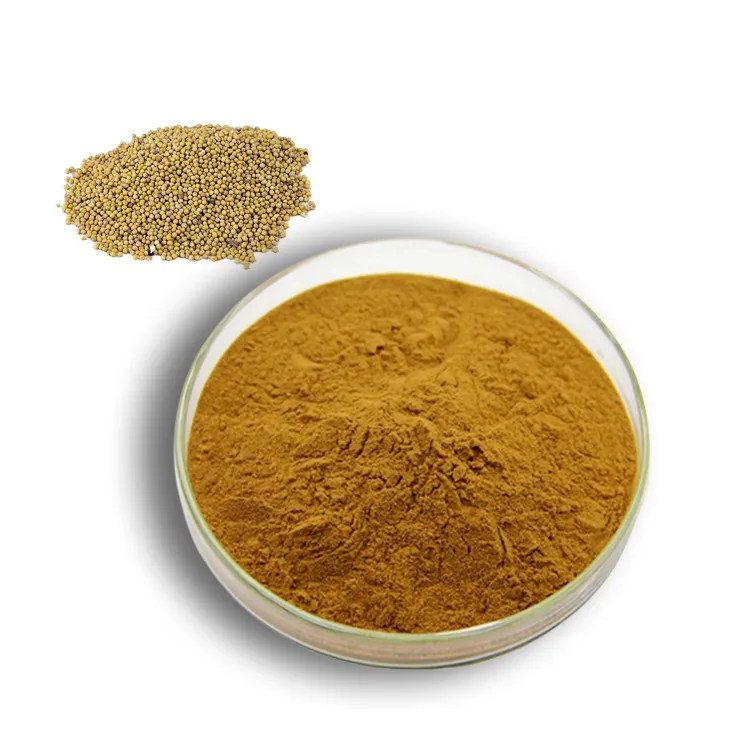
2.2 Cleaning and Sorting
Once the seeds are procured, they undergo a cleaning process. This involves removing any dirt, debris, or foreign matter. Sorting is also carried out to separate damaged or immature seeds from the healthy ones. This step is important as it ensures that only the best - quality seeds are used for extraction. Mechanical sieves and air - based separation techniques are commonly employed for this purpose.
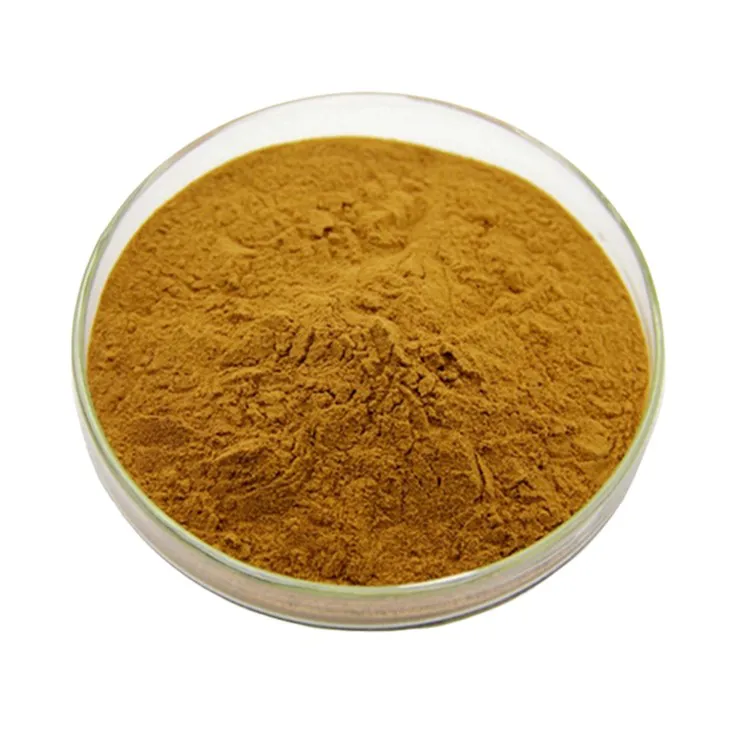
2.3 Grinding
The clean and sorted white mustard seeds are then ground into a fine powder. This increases the surface area of the seeds, facilitating better extraction. The grinding process needs to be carefully controlled to achieve the optimal particle size. If the particles are too large, extraction may be incomplete, while overly fine particles may cause issues during subsequent filtration steps. Modern grinding equipment is often used to ensure consistency in particle size.
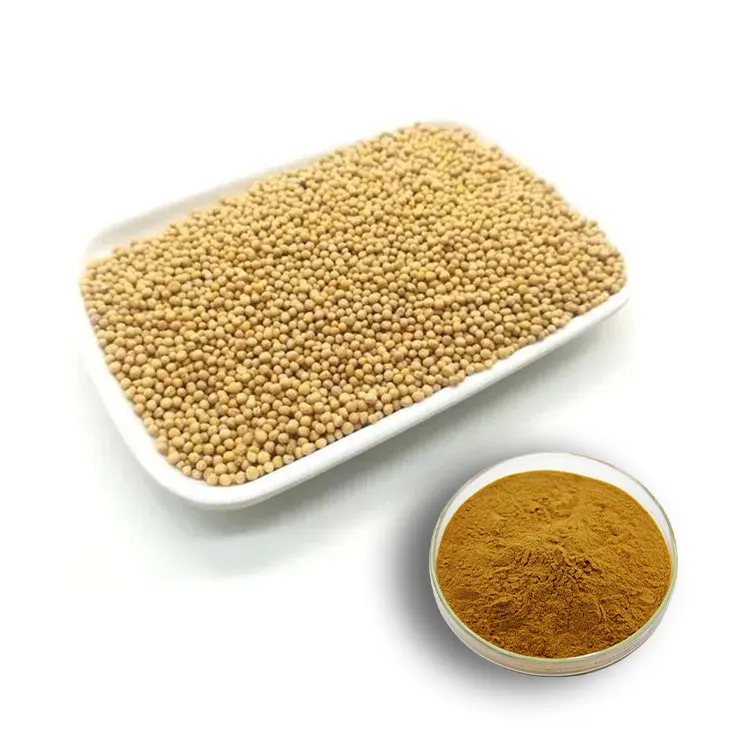
2.4 Extraction
- The ground white mustard seed powder is then subjected to extraction. There are different extraction methods available, with solvent extraction being one of the most commonly used.
- Solvents such as ethanol or hexane can be used. Ethanol - based extraction is often preferred in the food and pharmaceutical industries due to its relatively low toxicity and ease of removal from the final extract. The solvent is mixed with the seed powder in a specific ratio and the mixture is allowed to stand for a certain period.
- During this time, the active compounds in the seeds are dissolved into the solvent. The extraction time, temperature, and solvent - to - powder ratio are all critical parameters that need to be optimized. For example, higher temperatures may increase the extraction rate but could also lead to the degradation of some sensitive compounds.

2.5 Filtration
After extraction, the mixture is filtered to separate the extract (containing the dissolved active compounds) from the solid residue (mainly the remaining seed material). Filtration can be achieved through various means such as filter paper, membrane filters, or centrifugal filtration. The goal is to obtain a clear extract free from any solid impurities. Multiple filtration steps may be required to achieve the desired purity.
2.6 Concentration
- The filtered extract often contains a large amount of solvent, which needs to be removed to obtain a more concentrated extract. Concentration can be achieved through evaporation methods such as rotary evaporation.
- The solvent is evaporated under reduced pressure and controlled temperature. This process needs to be carefully monitored to prevent over - concentration, which could lead to the precipitation of some active compounds. The end result is a concentrated White mustard seed extract with a higher content of the desired active ingredients.
2.7 Drying (Optional)
In some cases, further drying of the concentrated extract may be carried out to obtain a powder form. This is especially useful for applications where a dry, stable form of the extract is required, such as in some food or cosmetic formulations. Drying can be done using techniques like spray drying or freeze - drying, each with its own advantages and considerations.
3. Factors Contributing to Future Demand Growth
3.1 Applications in Medicine
- White mustard seed extract has shown potential in the field of medicine. It contains compounds with anti - inflammatory properties. For example, some of the glucosinolates present in the extract have been studied for their ability to reduce inflammation in the body.
- It may also have antibacterial and antifungal activities. As the search for natural alternatives to synthetic drugs continues, White mustard seed extract could be a promising candidate. In addition, its potential in treating certain skin conditions is being explored, which could further drive its demand in the pharmaceutical and dermatology industries.
3.2 Use in Cosmetics
- The extract is finding increasing use in cosmetics. Its antioxidant properties make it a valuable ingredient in anti - aging products. Antioxidants help to protect the skin from free radical damage, which is associated with premature aging.
- White mustard seed extract can also improve the skin's texture and moisture retention. It is being incorporated into various cosmetic products such as creams, lotions, and serums. With the growing demand for natural and effective cosmetic ingredients, the use of White mustard seed extract in this industry is expected to rise.
3.3 Role in the Food Industry
- In the food industry, White mustard seed extract is used as a flavoring agent. It imparts a characteristic pungent and tangy flavor to foods. It can be used in condiments such as mustard, mayonnaise, and salad dressings.
- Moreover, it has potential as a natural preservative. With the increasing consumer preference for clean - label products (products with fewer artificial additives), White mustard seed extract could replace some of the synthetic preservatives currently used in the food industry. This would not only meet the consumer demand for more natural products but also contribute to the growth of its demand in the food sector.
3.4 Growing Awareness of Natural Ingredients
- Consumers are becoming more aware of the benefits of natural ingredients. They are increasingly looking for products that contain natural rather than synthetic components. White mustard seed extract, being a natural product, fits well into this trend.
- This growing awareness is driving manufacturers to incorporate more natural ingredients into their products. As a result, the demand for White mustard seed extract is likely to increase as it offers a natural alternative in various industries.
4. Conclusion
White mustard seed extract has a complex manufacturing process that involves multiple steps from raw material selection to final extraction. Understanding this process is essential for producers to ensure the quality and consistency of their products. The future demand for White mustard seed extract is expected to grow due to its expanding applications in medicine, cosmetics, and the food industry, as well as the growing awareness of natural ingredients among consumers. Both producers and consumers in this emerging market need to be aware of these aspects to make informed decisions.
FAQ:
What are the main steps in the manufacturing process of White mustard seed extract?
The manufacturing process of White mustard seed extract typically starts with careful raw material selection. High - quality white mustard seeds are chosen. Then, cleaning is an important step to remove impurities. After that, the seeds may be ground or crushed to increase the surface area for extraction. Next, extraction solvents are used to draw out the active compounds from the seeds. Filtration and purification steps follow to remove unwanted substances, and finally, concentration to obtain the White mustard seed extract in the desired form.
How does White mustard seed extract find applications in the medicine field?
In the medicine field, White mustard seed extract may have various applications. It could potentially possess anti - inflammatory properties, which can be beneficial for treating certain inflammatory conditions. Some studies suggest it may also have antibacterial or antifungal effects, which can be useful in developing new medications or as natural additives in existing ones. Additionally, it might play a role in pain relief or in promoting certain physiological functions within the body.
What role does White mustard seed extract play in the cosmetics industry?
White mustard seed extract can play several roles in the cosmetics industry. It may have antioxidant properties, which can help protect the skin from damage caused by free radicals. This can contribute to anti - aging effects, such as reducing wrinkles and improving skin elasticity. It can also potentially have moisturizing properties, helping to keep the skin hydrated. Moreover, its antibacterial properties may be useful in products designed for acne - prone skin.
What factors in the food industry are driving the demand for White mustard seed extract?
In the food industry, the demand for White mustard seed extract is being driven by several factors. One factor is its potential as a natural flavor enhancer. It can add a unique and pleasant flavor to various food products. Additionally, as consumers are increasingly interested in natural and healthy ingredients, White mustard seed extract, with its potential health - promoting properties, is becoming more appealing. It can also be used as a preservative in some cases, which is another advantage in the food industry.
What challenges might producers face in the manufacturing of White mustard seed extract?
Producers of White mustard seed extract may face several challenges. One challenge is ensuring the consistency and quality of the raw materials, as variations in the quality of white mustard seeds can affect the final extract. Another challenge is the optimization of the extraction process to ensure high yields while maintaining the integrity of the active compounds. Regulatory compliance is also a concern, as the extract may be subject to various food, cosmetic, or pharmaceutical regulations depending on its intended use. Additionally, cost - effective production methods need to be developed to remain competitive in the market.
Related literature
- Manufacturing Techniques of Plant Extracts: A Focus on White Mustard Seed"
- "The Applications of White mustard seed extract in Modern Industries"
- "Future Trends in the Demand for White mustard seed extract"


-

Licorice Root Extract Powder
2024-12-07
-

Apple Vinegar Powder
2024-12-07
-

American Ginseng Root Extract
2024-12-07
-

Beetroot Powder
2024-12-07
-

Rose Hip Extract
2024-12-07
-

Nettle Root Extract
2024-12-07
-

Centella Asiatica Extract
2024-12-07
-

Eucommia Ulmoides Extract
2024-12-07
-

Polygonum Cuspidatum Extract
2024-12-07
-

Black Rice Extract
2024-12-07