


1. What is Panax Ginseng Root Extract powder?
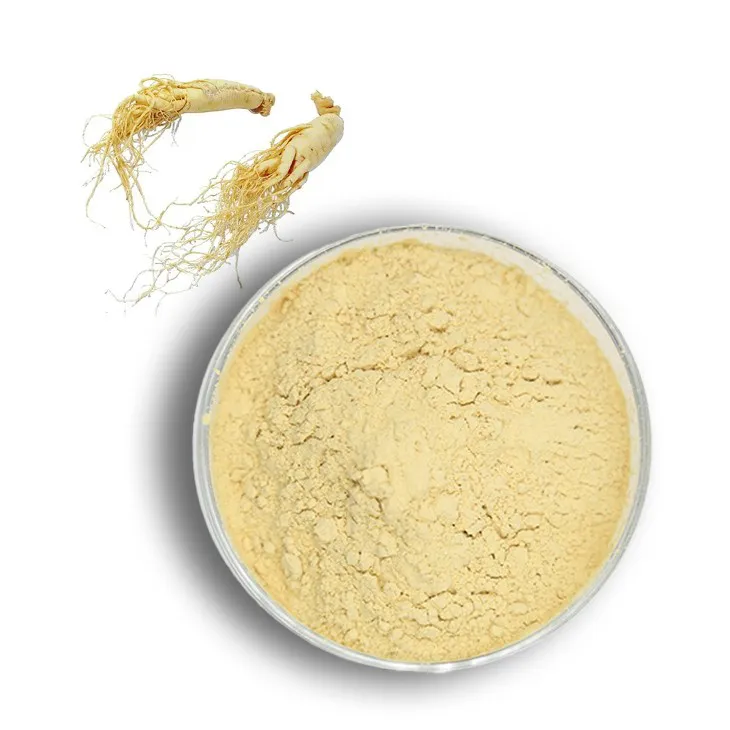
Panax Ginseng Root Extract powder is a concentrated form of the active compounds found in the root of the Panax ginseng plant. Panax ginseng is a well - known herb in traditional medicine, especially in Asian cultures. The extract powder contains a variety of bioactive components such as ginsenosides, which are believed to have numerous health benefits. These include potential effects on improving cognitive function, enhancing immune system, and increasing energy levels. The powder is often used in the production of dietary supplements, herbal medicines, and in some cases, in the cosmetic industry due to its antioxidant properties.
2. What are the raw materials required for production?
- The primary raw material is, of course, high - quality Panax ginseng roots. These roots need to be carefully sourced to ensure their authenticity and potency. Ideally, they should be grown in suitable environmental conditions, such as in regions with the right climate, soil type, and altitude.
- Solvents are also necessary for the extraction process. Commonly used solvents include water and ethanol. Water - based extraction is often preferred for obtaining a more natural extract, while ethanol - based extraction can be more effective in extracting certain hydrophobic compounds. However, the choice of solvent also depends on the intended use of the extract and regulatory requirements.
- Additional substances may be used for purification and standardization purposes. For example, certain adsorbents can be used to remove impurities from the extract, and reference standards are often used to ensure the consistency of the ginsenoside content in the final product.
3. How is the extraction process carried out?
3.1. Pretreatment of the roots
Before extraction, the Panax ginseng roots are typically cleaned thoroughly to remove dirt, debris, and any damaged parts. They may be washed with water and then dried to an appropriate moisture level. In some cases, the roots may be cut or ground into smaller pieces to increase the surface area available for extraction. This pretreatment step is crucial as it helps to ensure the quality and purity of the final extract powder.
3.2. Extraction
- If water is used as the solvent, the pretreated roots are soaked in water at a specific temperature and for a certain period of time. This allows the water - soluble compounds, including ginsenosides, to dissolve into the water. The mixture is usually stirred continuously to enhance the extraction efficiency.
- When ethanol is the solvent, a similar process is followed. However, the extraction conditions, such as temperature and time, may be different. Ethanol extraction may require more careful handling due to its flammability. The ethanol - root mixture is also stirred, and after extraction, the ethanol needs to be removed, usually through evaporation, to obtain the extract.

3.3. Filtration and purification
After extraction, the resulting mixture is filtered to remove any solid residues, such as root fragments. This can be done using various filtration methods, such as vacuum filtration or membrane filtration. The filtered extract may then undergo further purification steps. For example, chromatography techniques can be used to separate and purify specific ginsenoside components. Adsorbents may also be added to remove any remaining impurities, such as heavy metals or pesticides.

3.4. Concentration and drying
The purified extract is then concentrated to reduce the volume of the liquid. This can be achieved through methods like vacuum evaporation or freeze - drying. Once the extract has reached the desired concentration, it is dried to obtain the powder form. Spray - drying is a commonly used method for drying the extract into a fine powder. The resulting powder is then ready for further processing, such as packaging or formulation into various products.
4. What are the quality control measures in production?
- Raw material inspection: The Panax ginseng roots are inspected for their quality, including their origin, species authenticity, and the presence of contaminants. This may involve techniques such as DNA testing to confirm the species and chemical analysis to detect pesticides, heavy metals, or other harmful substances.
- During - production monitoring: Throughout the extraction process, parameters such as temperature, time, and solvent concentration are closely monitored. This ensures that the extraction is carried out under optimal conditions and helps to maintain the consistency of the product. For example, if the temperature during extraction is too high, it may lead to the degradation of some active compounds.
- Final product testing: The finished Panax Ginseng Root Extract powder is subjected to comprehensive testing. This includes analysis of the ginsenoside content, which is a key indicator of the product's quality and potency. Other tests may include microbiological testing to ensure the absence of harmful bacteria, fungi, or viruses, and stability testing to determine the product's shelf - life under different storage conditions.
5. What are the regulatory requirements for production?
- Good Manufacturing Practice (GMP) compliance: GMP regulations are essential in the production of Panax Ginseng Root Extract powder. This includes requirements for facility design, equipment maintenance, personnel training, and documentation. Facilities must be clean, well - ventilated, and designed to prevent cross - contamination. Equipment must be regularly calibrated and maintained to ensure accurate and reliable operation.
- Labeling regulations: The product labels must accurately disclose the ingredients, the source of the ginseng, the recommended dosage, and any potential side effects. Labels should also include information on the manufacturing date, expiration date, and batch number for traceability.
- Regulatory approval in different regions: Different countries and regions may have specific regulatory requirements for dietary supplements and herbal products containing Panax Ginseng Root Extract powder. For example, in the United States, the Food and Drug Administration (FDA) has certain regulations regarding the safety and labeling of dietary supplements. In the European Union, products must comply with the relevant directives on herbal products.
6. What are the potential applications of Panax Ginseng Root Extract powder?
- Dietary supplements: One of the most common applications is in the production of dietary supplements. These supplements are often marketed for their potential to boost energy, improve cognitive function, and enhance the immune system. They are available in various forms, such as capsules, tablets, and powders, and are consumed by individuals looking to improve their overall health and well - being.
- Traditional medicine: In traditional Asian medicine, Panax ginseng has been used for centuries to treat a variety of ailments. The extract powder can be formulated into traditional medicine preparations, such as tinctures, decoctions, or herbal blends. It may be used to treat conditions like fatigue, weakness, and stress - related disorders.
- Cosmetics: Due to its antioxidant properties, Panax Ginseng Root Extract powder is increasingly being used in the cosmetic industry. It can be added to skin care products such as creams, lotions, and serums. The extract is believed to have anti - aging effects, such as reducing wrinkles, improving skin elasticity, and protecting the skin from environmental damage.
7. What are the challenges in Panax Ginseng Root Extract powder production?
- Quality variation of raw materials: The quality of Panax ginseng roots can vary significantly depending on factors such as the growing region, cultivation methods, and harvesting time. This can lead to variability in the quality of the extract powder. For example, roots grown in different soil types may have different ginsenoside profiles, which can affect the effectiveness of the final product.
- Extraction efficiency: Achieving high extraction efficiency while maintaining the integrity of the active compounds can be a challenge. Different extraction methods may have different yields, and some compounds may be difficult to extract completely. For instance, certain ginsenosides may be less soluble in water or ethanol, making it harder to obtain a complete extraction.
- Regulatory compliance: Keeping up with the constantly evolving regulatory requirements in different regions can be a complex and time - consuming task. Manufacturers need to ensure that their production processes and products meet all the relevant regulations, which may involve significant investment in research, development, and quality control.
FAQ:
Question 1: What are the main raw materials for Ginseng Root Extract powder production?
The main raw material is, of course, the ginseng root. High - quality Panax ginseng roots are carefully selected. These roots should be free from diseases, pests, and excessive damage. Sometimes, specific parts of the root, such as the main root or lateral roots, may be used depending on the intended properties of the extract. Additionally, in some cases, certain varieties of ginseng that are known for their particular chemical compositions are preferred for production.
Question 2: What is the extraction process involved?
The extraction process typically begins with cleaning the ginseng roots thoroughly to remove any dirt, debris, or impurities. Then, the roots may be dried or used fresh, depending on the extraction method. One common method is solvent extraction. Organic solvents like ethanol are often used as they can effectively dissolve the active compounds in the ginseng root. The root is soaked in the solvent for a certain period, and then the mixture is filtered to separate the extract from the solid residue. Another method is water extraction, which is more suitable for obtaining water - soluble components. In this case, the ginseng root is boiled in water for a period, and then the liquid is concentrated to obtain the extract. After extraction, further purification steps may be involved to remove any remaining impurities or unwanted substances.
Question 3: How is the quality of Ginseng Root Extract powder controlled?
Quality control in Ginseng Root Extract powder production is multi - faceted. Firstly, the raw materials are carefully inspected for authenticity and quality. This includes verifying the species of ginseng and ensuring that the roots meet certain standards in terms of size, shape, and chemical composition. During the extraction process, parameters such as temperature, time, and solvent concentration are closely monitored to ensure consistency. Analytical techniques such as high - performance liquid chromatography (HPLC) are used to determine the content of active ingredients like ginsenosides. Microbiological testing is also carried out to check for the presence of harmful bacteria, fungi, or other microorganisms. The final product is tested for its physical properties, such as particle size, solubility, and appearance, to ensure it meets the required specifications.
Question 4: What are the main applications of Ginseng Root Extract powder?
Ginseng Root Extract powder has a wide range of applications. In the field of health and wellness, it is often used as a dietary supplement. It is believed to have adaptogenic properties, which means it can help the body adapt to stress. It may also enhance cognitive function, boost the immune system, and improve energy levels. In the cosmetics industry, Ginseng Root Extract powder can be added to skincare products due to its antioxidant properties. It may help to reduce wrinkles, improve skin elasticity, and promote a healthy complexion. Additionally, in some traditional medicine systems, it is used for treating various ailments such as fatigue, respiratory problems, and digestive disorders.
Question 5: Are there any safety concerns associated with Ginseng Root Extract powder production?
There are some safety concerns to be aware of. Ginseng can interact with certain medications, so it is important to be cautious when using it as a supplement. For example, it may affect blood pressure medications or blood - thinning drugs. In the production process, if improper solvents are used or if there are contaminants in the raw materials, it can pose risks to consumers. Also, over - consumption of Ginseng Root Extract powder can lead to side effects such as insomnia, nervousness, and digestive problems. Therefore, strict quality control and proper labeling are essential to ensure the safety of the product.
Question 6: What are the factors affecting the price of Ginseng Root Extract powder?
The price of Ginseng Root Extract powder can be influenced by several factors. The quality and grade of the raw ginseng roots play a significant role. High - quality roots with a high content of active ingredients are more expensive. The extraction method also affects the price. More advanced and complex extraction techniques may result in a higher - quality product but also come with higher production costs. Additionally, market demand and supply dynamics are important. If there is a high demand for Ginseng Root Extract powder but a limited supply of raw materials, the price is likely to increase. Brand reputation and packaging also contribute to the overall price of the product.
Related literature
- Ginseng: A Review of Its Botany, Ethnopharmacology, Phytochemistry, and Pharmacology" by Han et al.
- "Production and Quality Control of Herbal Extracts: Ginseng as an Example" by Lee and Kim.
- "The Role of Ginseng Root Extract in Modern Medicine and Cosmetics" by Wang.


-

Cassia Seed Extract
2024-12-06
-

Curcuma Longa Extract/Turmeric extract
2024-12-06
-

Hesperidin
2024-12-06
-

Elderberry Extract
2024-12-06
-

Saffron Extract Powder
2024-12-06
-

Sugarcane Extract
2024-12-06
-

Acerola Juice Powder
2024-12-06
-

Clove Powder
2024-12-06
-

Mangosteen extract powder
2024-12-06
-

Lemon Juice Powder
2024-12-06