


1. Introduction
In the modern world, the search for natural ways to maintain health and combat various ailments has become increasingly important. Among the many natural substances, Astaxanthin and grape seed extract have gained significant attention due to their powerful antioxidant properties. Oxidative stress, caused by an imbalance between the production of free radicals and the body's antioxidant defenses, is associated with numerous health problems, including heart disease, cancer, and neurodegenerative disorders. Understanding how these two natural substances can help in reducing oxidative stress is crucial for promoting overall well - being.
2. Astaxanthin: The Marine - Derived Antioxidant
2.1 Source and Chemical Structure
Astaxanthin is a carotenoid pigment that is found in certain marine organisms such as microalgae, salmon, and krill. It has a unique chemical structure that gives it exceptional antioxidant capabilities. The long carbon - chain structure with conjugated double bonds allows it to interact with free radicals and neutralize them effectively.
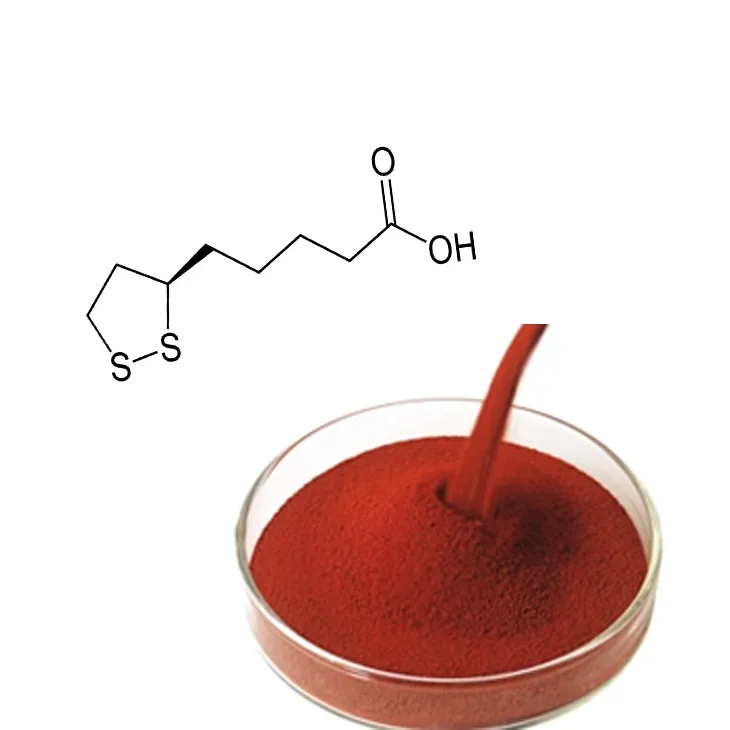
2.2 Antioxidant Mechanism
- Free Radical Scavenging: Astaxanthin is a potent scavenger of various free radicals, including singlet oxygen, superoxide anion radicals, and hydroxyl radicals. It donates electrons to these highly reactive species, thereby preventing them from causing damage to cells and biomolecules.
- Cell Membrane Protection: It has a particular affinity for cell membranes due to its lipid - soluble nature. By integrating into the cell membrane, Astaxanthin can protect the membrane lipids from oxidative damage. This is important as cell membranes are the first line of defense for cells against external stressors.
- Anti - Inflammatory Effects: Oxidative stress is often associated with inflammation. Astaxanthin has been shown to have anti - inflammatory properties by modulating the production of inflammatory mediators. It can inhibit the activation of certain inflammatory signaling pathways, reducing the overall inflammatory response in the body.

2.3 Health Benefits
- Skin Health: Due to its antioxidant and anti - inflammatory properties, Astaxanthin can improve skin health. It can protect the skin from UV - induced damage, reduce wrinkles, and improve skin elasticity. Some studies have also suggested that it may help in treating skin conditions such as acne and eczema.
- Eye Health: The eyes are highly susceptible to oxidative damage. Astaxanthin can accumulate in the retina and lens, where it can protect these structures from free radical - induced damage. It may be beneficial in preventing age - related macular degeneration and cataracts.
- Cardiovascular Health: By reducing oxidative stress and inflammation, Astaxanthin can contribute to cardiovascular health. It may help in reducing blood pressure, improving lipid profiles, and preventing the oxidation of low - density lipoprotein (LDL) cholesterol, which is a major risk factor for heart disease.
3. Grape Seed Extract: The By - Product with Big Benefits

3.1 Source and Composition
Grape seed extract is derived from the seeds of grapes, which are a by - product of the wine - making industry. It contains a variety of bioactive compounds, including proanthocyanidins, flavonoids, and phenolic acids. Proanthocyanidins are the main components responsible for its antioxidant properties.
3.2 Antioxidant Mechanism
- Chain - Breaking Antioxidant: Grape seed extract acts as a chain - breaking antioxidant. It can interrupt the chain reaction of free radical formation by donating hydrogen atoms to the free radicals. This prevents the propagation of free radical damage and limits the overall oxidative stress in the body.
- Metal Chelation: Some of the components in grape seed extract can chelate metal ions such as iron and copper. These metal ions can catalyze the formation of free radicals in the presence of oxygen. By chelating these ions, grape seed extract can reduce the production of free radicals.
- Enhancing Endogenous Antioxidant Defenses: It can also upregulate the body's endogenous antioxidant enzymes such as superoxide dismutase (SOD), catalase (CAT), and glutathione peroxidase (GOPx). These enzymes play a crucial role in neutralizing free radicals and maintaining the redox balance in the body.
3.3 Health Benefits
- Anticancer Properties: Grape seed extract has shown potential in cancer prevention and treatment. It can induce apoptosis (programmed cell death) in cancer cells, inhibit tumor angiogenesis (the formation of new blood vessels that supply tumors), and modulate the immune response against cancer cells.
- Neurological Protection: Oxidative stress is involved in many neurological disorders. Grape seed extract can protect neurons from free radical - induced damage, reduce inflammation in the brain, and improve cognitive function. It may be beneficial in neurodegenerative diseases such as Alzheimer's and Parkinson's.
- Diabetes Management: It can help in managing diabetes by improving insulin sensitivity, reducing blood glucose levels, and protecting pancreatic beta - cells from oxidative damage. This can be beneficial for both type 1 and type 2 diabetes patients.
4. Comparison of Astaxanthin and Grape Seed Extract
- Antioxidant Potency: Both Astaxanthin and grape seed extract are powerful antioxidants, but they have different antioxidant mechanisms. Astaxanthin is more effective in scavenging singlet oxygen and protecting cell membranes, while grape seed extract is better at breaking the free radical chain reaction and chelating metal ions.
- Bioavailability: The bioavailability of these two substances can vary. Astaxanthin is lipid - soluble, which affects its absorption and distribution in the body. Grape seed extract, on the other hand, may have different bioavailability depending on the composition and the form in which it is consumed.
- Target Organs and Tissues: Astaxanthin has a particular affinity for the skin, eyes, and cardiovascular system, while grape seed extract may have more widespread effects on various organs such as the brain, pancreas, and immune system.
5. Applications in Promoting a Healthy Lifestyle
- Dietary Supplements: Both Astaxanthin and grape seed extract are available as dietary supplements. They can be taken in the form of capsules or tablets to supplement the diet and provide additional antioxidant protection. However, it is important to follow the recommended dosage and consult a healthcare professional before starting any supplement regimen.
- Functional Foods: These antioxidants can also be incorporated into functional foods. For example, Astaxanthin can be added to fish oil supplements or certain food products targeted at skin and eye health. Grape seed extract can be used in food products aimed at promoting cardiovascular health or as an ingredient in anti - aging products.
- Cosmetics: Due to their antioxidant and skin - beneficial properties, both substances are used in cosmetics. Astaxanthin can be found in creams and serums for skin protection and anti - aging. Grape seed extract is often used in hair and skin care products for its antioxidant and anti - inflammatory effects.
6. Conclusion
Astaxanthin and grape seed extract are two remarkable natural substances with powerful antioxidant properties. They offer a wide range of health benefits by combating oxidative stress, protecting cells, and potentially enhancing overall well - being. Understanding their unique properties and mechanisms can help in making informed decisions about their use in promoting a healthy lifestyle. Whether through dietary supplements, functional foods, or cosmetics, these antioxidants can play an important role in maintaining health and preventing various diseases. However, further research is still needed to fully explore their potential and optimize their applications.
FAQ:
What is Astaxanthin?
Astaxanthin is a pigment that is naturally found in certain marine organisms such as microalgae, salmon, trout, and shrimp. It is a carotenoid, which is a type of antioxidant that has been shown to have various health - promoting properties.
What are the antioxidant properties of grape seed extract?
Grape seed extract is rich in polyphenols, especially proanthocyanidins, which are powerful antioxidants. These antioxidants can scavenge free radicals in the body, reduce oxidative stress, and protect cells from damage. They also have anti - inflammatory properties and can contribute to the maintenance of healthy blood vessels.
How does Astaxanthin combat oxidative stress?
Astaxanthin has a unique molecular structure that allows it to effectively scavenge free radicals. It can cross cell membranes easily and protect cell membranes from lipid peroxidation. By neutralizing free radicals, it helps to prevent oxidative damage to cells and tissues, reducing the risk of various diseases associated with oxidative stress.
Can grape seed extract enhance overall well - being?
Yes, it can. Grape seed extract's antioxidant and anti - inflammatory properties can contribute to overall well - being. It may help improve cardiovascular health by reducing blood pressure and cholesterol levels, support skin health by protecting against UV damage and promoting collagen synthesis, and enhance immune function. Additionally, it may have neuroprotective effects and help prevent age - related cognitive decline.
How can Astaxanthin and grape seed extract be incorporated into a healthy lifestyle?
Astaxanthin and grape seed extract can be incorporated into a healthy lifestyle in several ways. They are available as dietary supplements in the form of capsules or tablets. Additionally, Astaxanthin can be obtained through consuming foods rich in it, such as salmon and shrimp. Grape seed extract can be consumed through grape - related products like red wine (in moderation) or by taking grape seed extract supplements. They can also be part of a balanced diet rich in fruits, vegetables, whole grains, and lean proteins.
Related literature
- Antioxidant Properties of Astaxanthin: A Comprehensive Review"
- "The Health Benefits of Grape Seed Extract: A Review of the Current Literature"
- "Comparative Study of Astaxanthin and Grape Seed Extract in Oxidative Stress Management"


-

Diosmin
2024-07-25
-

Apple Vinegar Powder
2024-07-25
-

Lotus leaf extract
2024-07-25
-

Black Garlic Extract
2024-07-25
-

Citrus Aurantium Extract
2024-07-25
-

Carrageenan Extract Powder
2024-07-25
-

Baicalin
2024-07-25
-

Kidney Bean Extract
2024-07-25
-

Chasteberry Extract
2024-07-25
-

Beetroot Powder
2024-07-25