


1. Introduction
The food industry is constantly in search of natural and effective ingredients to enhance the quality, safety, and nutritional value of food products. Jujube Extract has emerged as a promising ingredient with a wide range of applications. Jujube, also known as Ziziphus jujuba, is a fruit that has been used in traditional medicine and cuisine for centuries. The extract derived from this fruit contains various bioactive compounds that make it suitable for different uses in the food industry.
2. Jujube Extract as a Coloring Agent
2.1 Natural Color Source
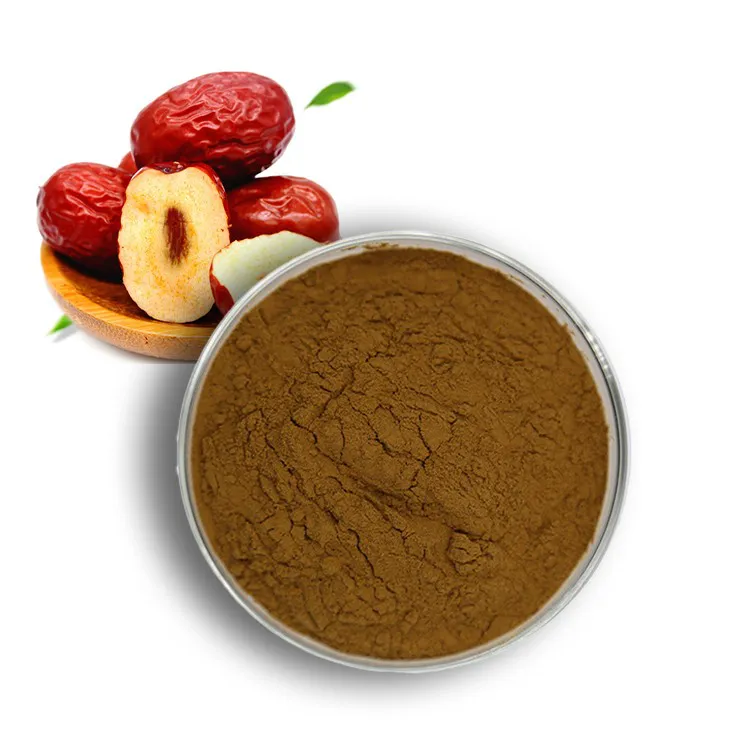
- Jujube Extract serves as an excellent coloring agent in the food industry. In a world where consumers are increasingly demanding natural ingredients, the natural color imparted by Jujube Extract is highly appealing. It provides a warm, reddish - brown hue that can enhance the visual appearance of many food products.
- Compared to synthetic colorants, which may have potential health risks associated with long - term consumption, Jujube Extract offers a safe and natural alternative. For example, in bakery products such as bread, cakes, and pastries, a small amount of Jujube Extract can give a pleasant color without the need for artificial dyes.
- The color provided by Jujube Extract can also help in product differentiation. In a competitive market, having a unique and natural - looking color can attract consumers' attention. For instance, in some specialty cookies or confectionery items, the use of Jujube Extract can create an artisanal and high - quality appearance.
- Moreover, the color stability of Jujube Extract is relatively good under normal storage and processing conditions. It does not fade or change color easily, ensuring that the food product maintains its visual appeal throughout its shelf - life.
3. Jujube Extract for Food Fortification
3.1 Nutritional Composition of Jujube Extract
- Jujube Extract is rich in nutrients, making it an ideal ingredient for fortifying foods. It contains vitamins such as Vitamin C, which is an important antioxidant. Vitamin C helps in maintaining the immune system, promoting collagen synthesis, and protecting cells from oxidative damage.
- It also contains minerals like potassium, which is essential for maintaining proper heart function, regulating blood pressure, and supporting muscle contractions. Additionally, Jujube Extract may have small amounts of other beneficial compounds such as flavonoids and phenolic acids, which have antioxidant and anti - inflammatory properties.
-
Dairy Products
When added to dairy products such as milk, yogurt, and cheese, Jujube Extract can enhance their nutritional value. For example, in yogurt, it can be a source of additional vitamins and minerals, making it a more nutritious option for consumers. The natural flavor of Jujube Extract can also complement the creamy taste of dairy products, creating a unique and healthy product.
-
Cereal - Based Products
In cereal - based products like breakfast cereals, granola bars, and oatmeal, Jujube Extract can be used for fortification. It can add a nutritional boost to these products, which are often consumed as part of a healthy diet. The extract can also contribute to the flavor profile, adding a slightly sweet and fruity note.
-

Beverages
Jujube Extract can be incorporated into various beverages. In fruit juices, it can enhance the nutritional content and also contribute to the color. In herbal teas or functional drinks, it can be a source of additional health - promoting compounds. For example, a jujube - infused tea can offer a soothing and nutritious beverage option.
4. Jujube Extract and Food Safety
4.1 Antimicrobial Properties
- One of the significant advantages of Jujube Extract in the food industry is its antimicrobial properties. These properties help in inhibiting the growth of harmful microorganisms such as bacteria, yeasts, and molds. This is crucial for maintaining food safety and extending the shelf - life of food products.
- Studies have shown that certain compounds in Jujube Extract can disrupt the cell membranes of microorganisms, preventing their growth and reproduction. For example, in processed foods like canned fruits or pickles, the addition of Jujube Extract can help prevent spoilage caused by microbial contamination.
- By inhibiting the growth of pathogenic microorganisms, Jujube Extract can play a role in reducing the risks of foodborne illnesses. In the food supply chain, from production to consumption, there are many opportunities for microbial contamination. The use of Jujube Extract can be an additional safeguard against these risks.
- For example, in ready - to - eat foods such as salads, sandwiches, and deli meats, the antimicrobial action of Jujube Extract can help keep these products safe for consumption. It can also be beneficial in food products that are stored at room temperature or have a relatively long shelf - life.
5. Challenges and Future Prospects
5.1 Challenges in Application
- Despite its many benefits, there are some challenges associated with the use of Jujube Extract in the food industry. One of the main challenges is the standardization of the extract. Since the composition of Jujube Extract can vary depending on factors such as the variety of jujube, the extraction method, and the growing conditions, it can be difficult to ensure consistent quality.
- Another challenge is the cost of production. Extracting Jujube Extract on a large scale may require significant investment in equipment and technology. This can result in a relatively high cost of the extract, which may limit its widespread use in some food products.
- However, the future prospects for Jujube Extract in the food industry are promising. With increasing consumer demand for natural and healthy food ingredients, there is a growing market for Jujube Extract. Research is also being conducted to optimize the extraction methods to improve the yield and quality of the extract while reducing costs.
- Furthermore, as more is discovered about the health - promoting properties of Jujube Extract, new applications may be found. For example, it could be used in the development of functional foods specifically targeted at certain health conditions. In conclusion, while there are challenges, the potential of Jujube Extract in the food industry is significant and worthy of further exploration.
FAQ:
Q1: What are the main components in Jujube Extract that make it useful in the food industry?
Jujube Extract contains various components. It has natural pigments that can act as a coloring agent. Also, it is rich in nutrients such as vitamins and minerals which are valuable for fortifying foods. Additionally, there are bioactive compounds that contribute to its antimicrobial properties.
Q2: How does Jujube Extract act as a coloring agent in bakery products?
The natural pigments present in Jujube Extract blend well with the ingredients in bakery products. When added, it gives a warm, natural - looking color that is more appealing to consumers compared to artificial colorants. It can interact with the dough and other components during the baking process to provide a consistent and attractive color.
Q3: Can Jujube Extract be used in all types of dairy products?
Most likely, but it depends on the specific product and its formulation. Jujube Extract can be added to milk, yogurt, and some cheese products. However, in some cases, it may need to be adjusted according to the taste, texture, and processing requirements of the particular dairy product. For example, in some flavored yogurts, it can enhance the overall flavor and nutritional profile.
Q4: How significant are the antimicrobial properties of Jujube Extract in food safety?
The antimicrobial properties of Jujube Extract are quite significant. In the food industry, microbial contamination is a major concern. Jujube Extract can inhibit the growth of certain bacteria, yeasts, and molds. This helps in prolonging the shelf - life of food products and reducing the risk of foodborne illnesses, ensuring that the products are safe for consumption.
Q5: Are there any potential drawbacks to using Jujube Extract in the food industry?
One potential drawback could be the cost. If the extraction process is complex or the source of jujube is limited, it may be more expensive compared to other additives. Also, there may be some challenges in standardizing the extract's quality and consistency, as the composition of jujube can vary depending on factors such as the variety of jujube, growing conditions, and extraction methods.
Related literature
- The Nutritional and Functional Properties of Jujube (Ziziphus jujuba Mill.)"
- "Application of Natural Extracts in Food Preservation"
- "Jujube Extract: A Promising Ingredient for Functional Foods"


-

Carrageenan Extract Powder
2025-01-07
-

Astaxanthin
2025-01-07
-

Reishi mushroom extract
2025-01-07
-

Black Pepper Extract
2025-01-07
-

Citrus Aurantii Extract
2025-01-07
-

Phellodendron Extract
2025-01-07
-

Green Tea Extract
2025-01-07
-

Nutmeg Extract
2025-01-07
-

Horse Chestnut Extract
2025-01-07
-

Lotus leaf extract
2025-01-07