


1. Introduction
Artichoke Leaf Extract is a natural product that has been attracting increasing attention in recent years. As a derivative of artichokes, which are known for their rich nutritional profile, the leaf extract contains a variety of bioactive compounds that offer numerous potential health benefits. This article will explore the characteristics of Artichoke Leaf Extract and the common processing methods used to obtain it.
2. Characteristics of Artichoke Leaf Extract
2.1 Nutritional Content
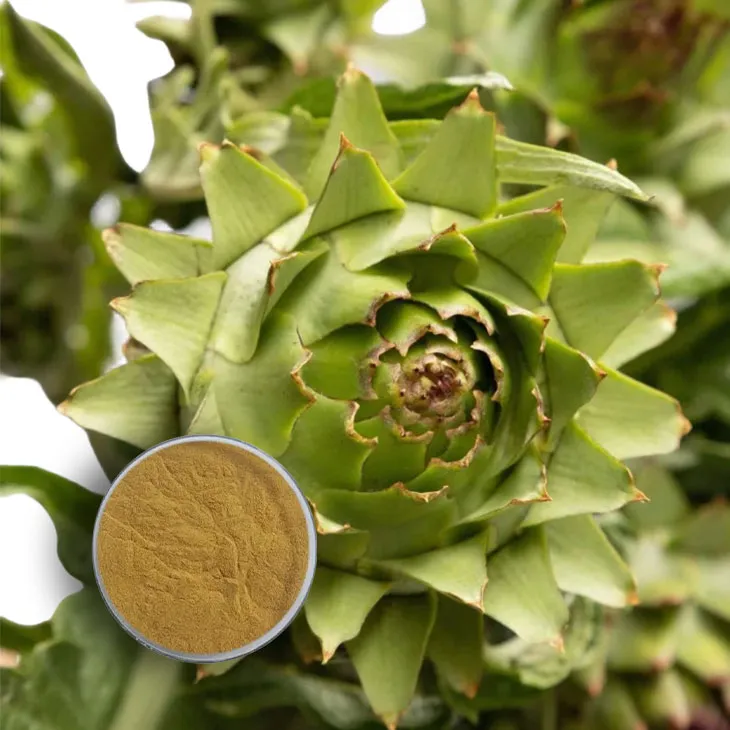
The Artichoke Leaf Extract is notably rich in several bioactive components. One of the key substances is cynarin, which is believed to possess strong antioxidant properties. Antioxidants play a crucial role in the body by protecting cells from oxidative stress. Oxidative stress occurs when there is an imbalance between the production of free radicals and the body's ability to neutralize them, and it is associated with the development of many chronic diseases, such as heart disease, cancer, and neurodegenerative disorders.
In addition to cynarin, the extract also contains flavonoids. These compounds contribute to the overall health - promoting effects of the extract. Flavonoids are known for their diverse biological activities, including antioxidant, anti - inflammatory, and anti - microbial properties. They work in synergy with cynarin to enhance the protective effects of the Artichoke Leaf Extract on the body's cells.
2.2 Digestive Aid
Artichoke Leaf Extract has a long history of being used as a digestive aid. It has the ability to stimulate the production of bile in the liver. Bile is an important substance for the digestion and absorption of fats. When we consume fatty foods, bile helps to emulsify the fats, breaking them down into smaller droplets that can be more easily digested by the enzymes in the small intestine.
For individuals with indigestion or other digestive disorders, Artichoke Leaf Extract can be particularly beneficial. It can help to improve the overall function of the digestive system, reducing symptoms such as bloating, abdominal pain, and discomfort after meals.
2.3 Anti - inflammatory
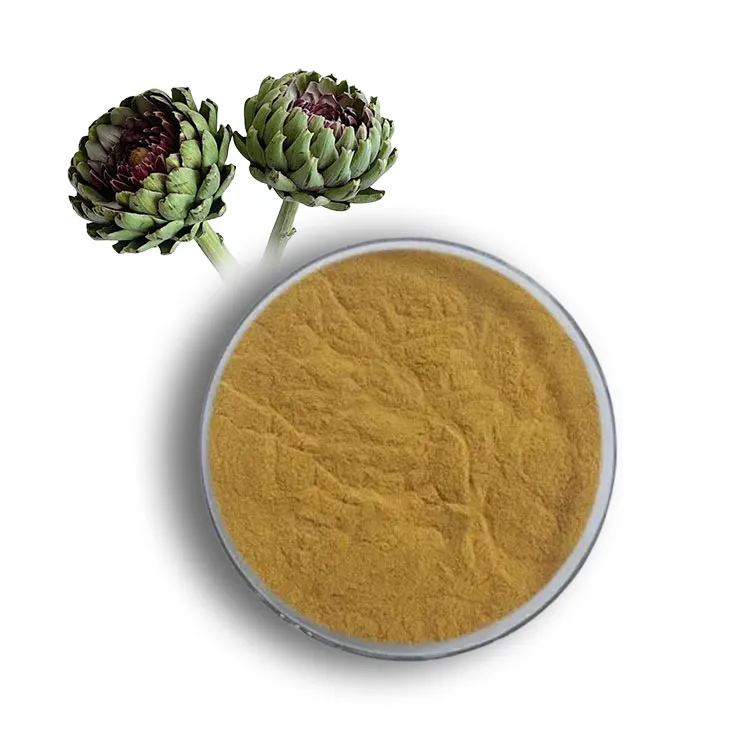
The anti - inflammatory properties of Artichoke Leaf Extract are another significant characteristic. Inflammation is a natural response of the body's immune system to injury or infection. However, chronic inflammation can be harmful and is associated with a variety of health problems, including arthritis, inflammatory bowel disease, and cardiovascular disease.
The bioactive compounds in the Artichoke Leaf Extract, such as cynarin and flavonoids, are thought to help reduce inflammation in the body. By modulating the body's inflammatory response, the extract may contribute to the prevention and treatment of inflammatory - related diseases.
3. Processing Methods of Artichoke Leaf Extract
3.1 Extraction Solvents
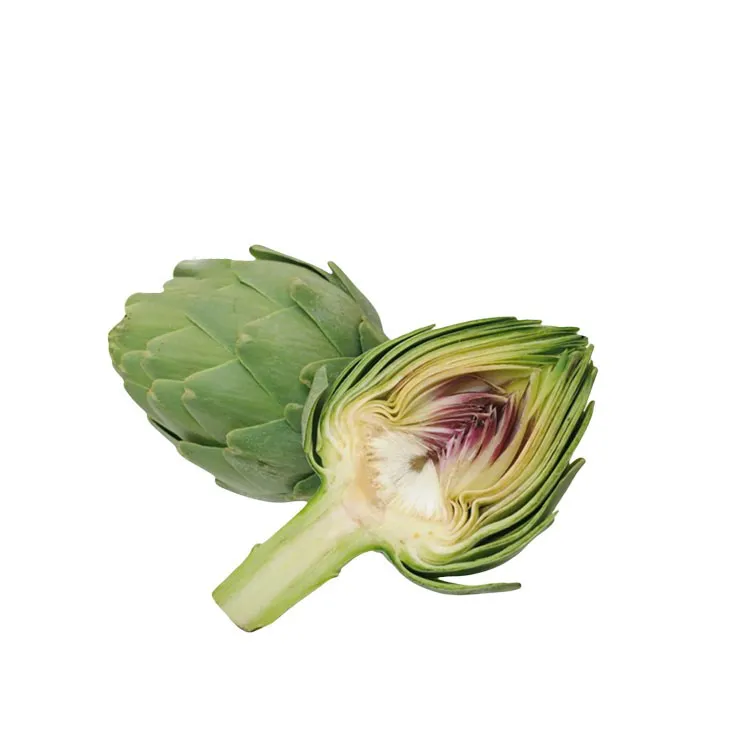
The extraction of Artichoke Leaf Extract typically involves the use of solvents. Two common solvents are ethanol and water.
-
Ethanol - based extractions: Ethanol is an effective solvent for isolating the bioactive compounds in artichoke leaves. It has a relatively high polarity, which allows it to dissolve a wide range of organic compounds. Ethanol - based extractions can result in a more concentrated extract with a higher yield of the desired bioactive components. However, ethanol extractions may also require more complex and costly equipment due to the flammability of ethanol and the need for proper safety measures during the extraction process.
-
Water - based extractions: Water is a natural and environmentally friendly solvent. Water - based extractions are often preferred for obtaining a more "natural" extract. Although water may not be as effective as ethanol in extracting all types of bioactive compounds, it can still isolate a significant amount of the beneficial components in artichoke leaves. Moreover, water - based extracts are generally milder in action and may be more suitable for certain applications, such as in products intended for sensitive individuals or those who prefer a more natural approach to supplementation.
3.2 Concentration and Purification
After the extraction process, the resulting liquid extract usually needs to be concentrated and purified.
-
Concentration: The purpose of concentration is to increase the concentration of the active ingredients in the extract. This can be achieved through various methods, such as evaporation under reduced pressure or the use of membrane filtration techniques. By concentrating the extract, the final product will have a higher potency of the bioactive compounds, which is often desired for applications in dietary supplements or functional foods.
-
Purification: Purification steps are essential to remove impurities from the extract. These impurities may include plant debris, proteins, and other unwanted substances. Common purification methods include chromatography techniques, such as column chromatography or high - performance liquid chromatography (HPLC). These methods can separate the desired bioactive compounds from the impurities based on their different chemical properties, ensuring the quality and purity of the final Artichoke Leaf Extract.
3.3 Drying and Powder Formulation
Once the extract has been concentrated and purified, it can be further processed into a more stable form for storage and easier incorporation into various products.
-
Drying: The concentrated extract can be dried to remove the remaining water or solvent content. Drying methods include spray drying, freeze - drying, or oven drying. Spray drying is a commonly used method in the industry, which involves spraying the liquid extract into a hot air stream. The rapid evaporation of the water or solvent results in the formation of fine powder particles. Freeze - drying, also known as lyophilization, is a more gentle drying method that can preserve the bioactivity of the extract better. It involves freezing the extract first and then removing the water or solvent under vacuum. Oven drying is a simple and cost - effective method but may require more careful control of temperature and time to avoid over - drying or heat - induced degradation of the extract.
-
Powder Formulation: After drying, the resulting powder can be formulated into different products. For example, it can be used as an ingredient in dietary supplements, where it can be encapsulated or made into tablets. It can also be incorporated into functional foods, such as energy bars or drinks, to provide the health - promoting benefits of Artichoke Leaf Extract. The powder form is more convenient for handling, dosing, and mixing with other ingredients, making it a popular choice for product manufacturers.
4. Conclusion
Artichoke Leaf Extract is a valuable natural product with a range of beneficial characteristics. Its rich nutritional content, digestive - aiding properties, and anti - inflammatory effects make it a promising ingredient in the fields of health and nutrition. The processing methods, from extraction solvents to concentration, purification, drying, and powder formulation, play a crucial role in obtaining a high - quality extract that can be effectively utilized in various products. As research on Artichoke Leaf Extract continues to expand, it is expected that more applications and health benefits will be discovered in the future.
FAQ:
What are the main nutritional components in Artichoke Leaf Extract?
Artichoke Leaf Extract contains high levels of cynarin which has antioxidant properties. Flavonoids are also present, and these components contribute to its overall health - promoting effects, protecting cells from oxidative stress and potentially reducing the risk of chronic diseases.
How does Artichoke Leaf Extract aid digestion?
Artichoke Leaf Extract can stimulate bile production in the liver. Bile aids in the digestion and absorption of fats, so this extract can be beneficial for people with indigestion or related digestive disorders.
What are the anti - inflammatory benefits of Artichoke Leaf Extract?
The extract has anti - inflammatory properties. Inflammation in the body is associated with many health issues like arthritis, and Artichoke Leaf Extract may help in reducing this inflammation.
What solvents are commonly used in the extraction of Artichoke Leaf Extract?
Common solvents like ethanol or water are often used for extraction. Ethanol - based extractions can effectively isolate the bioactive compounds, while water - based extractions are more suitable for obtaining a more natural and mild - acting extract.
Why is the drying and powder formulation step important in processing Artichoke Leaf Extract?
The concentrated extract is dried into a powder form because it is more stable for storage and easier to incorporate into various products such as dietary supplements or functional foods.
Related literature
- The Bioactive Compounds in Artichoke and Their Potential Health Benefits"
- "Processing Techniques for Extracting Bioactive Components from Artichoke Leaves"
- "Artichoke Leaf Extract: A Comprehensive Review of Its Characteristics and Applications"


-

Rosemary extract
2024-12-20
-

L-carnitine
2024-12-20
-

Apricot Powder
2024-12-20
-

Tongkat Ali Extract
2024-12-20
-

Black Pepper Extract
2024-12-20
-

Grapefruit Seed Extract Powder
2024-12-20
-

Eucommia Ulmoides Extract
2024-12-20
-

Lotus leaf extract
2024-12-20
-

Boswellia Serrata Extract
2024-12-20
-

Chia Seed Powder
2024-12-20