


1. Introduction to Curcumin
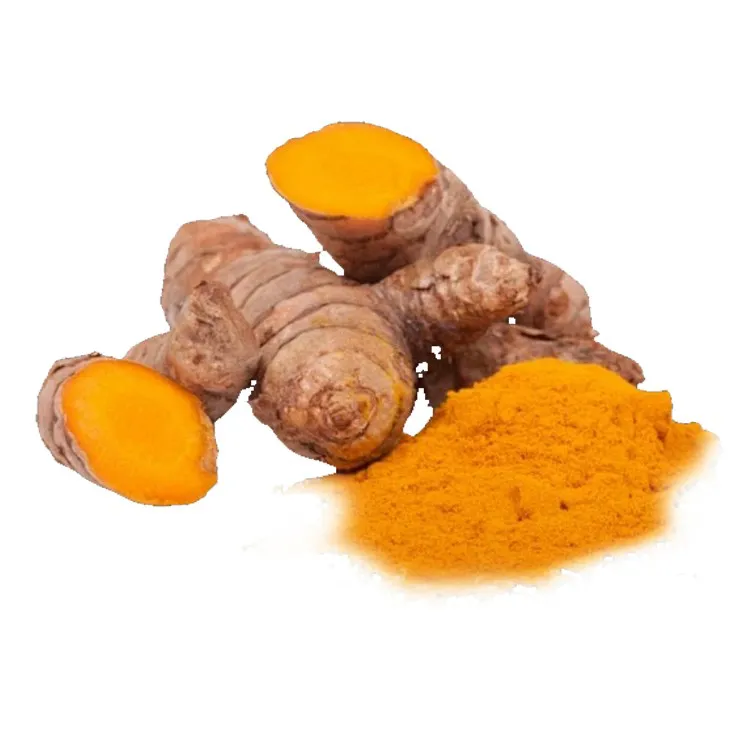
Curcumin is a natural compound that has been used for centuries in traditional medicine, particularly in Ayurvedic and Chinese medicine. It is derived from the rhizome of the turmeric plant (Curcuma longa). Curcumin is known for its bright yellow color and has a distinct, earthy flavor. Chemically, it belongs to the Curcuminoid family and has a complex structure that gives it a wide range of biological activities.
2. Development of Curcumin - Based Products
2.1 Capsules
Capsules are one of the most common forms of Curcumin products. They offer several advantages. Firstly, they provide a convenient way to consume Curcumin. The encapsulation process protects Curcumin from degradation in the stomach, ensuring that a higher proportion reaches the intestines where it can be absorbed. Manufacturers typically use different types of capsules, such as gelatin or vegetarian - friendly cellulose capsules. To enhance the bioavailability of Curcumin in capsules, some products also include additional ingredients like Black Pepper Extract (piperine), which has been shown to increase the absorption of Curcumin by inhibiting certain enzymes in the gut that would otherwise metabolize it too quickly.

2.2 Powders
Curcumin powders are another popular form. Powdered Curcumin can be easily added to a variety of foods and beverages. For example, it can be mixed into smoothies, juices, or used in cooking. However, one of the challenges with Curcumin powder is its relatively low solubility in water, which can limit its bioavailability. To overcome this, some manufacturers are developing nanoparticle - based Curcumin powders. These nanoparticles have a much smaller size, which can improve the solubility and dispersion of Curcumin in aqueous solutions, thus enhancing its absorption in the body.

2.3 Extracts
Curcumin extracts are often concentrated forms of Curcumin. They are obtained through various extraction methods from the turmeric rhizome. These extracts can vary in their Curcumin content, with some high - quality extracts containing up to 95% Curcuminoids. Extracts are used in both dietary supplements and in the formulation of pharmaceuticals. The extraction process is crucial as it determines the purity and quality of the final product. Different solvents can be used for extraction, and the choice of solvent can impact the chemical composition and bioactivity of the extract.
3. Applications of Curcumin in Medicine

3.1 Anti - Inflammatory Properties
One of the most well - known applications of Curcumin in medicine is its anti - inflammatory effect. Inflammation is a natural response of the body to injury or infection, but chronic inflammation can lead to a variety of diseases, including arthritis, heart disease, and cancer. Curcumin has been shown to target multiple pathways involved in the inflammatory process. It can inhibit the production of pro - inflammatory cytokines such as interleukin - 1β (IL - 1β) and tumor necrosis factor - α (TNF - α). In arthritis patients, for example, Curcumin supplements have been reported to reduce joint pain and swelling, improving the overall quality of life.
3.2 Antioxidant Activity
Curcumin also exhibits strong antioxidant properties. Free radicals are highly reactive molecules that can damage cells and DNA, leading to various diseases and aging. Curcumin can scavenge free radicals and protect cells from oxidative stress. It has been studied in the context of neurodegenerative diseases such as Alzheimer's and Parkinson's. In these diseases, oxidative stress plays a significant role in the degeneration of neurons. By reducing oxidative stress, Curcumin may potentially slow down the progression of these diseases.

3.3 Cancer Treatment and Prevention
There is growing evidence suggesting that Curcumin may have a role in cancer treatment and prevention. It can interfere with various stages of cancer development, from initiation to metastasis. For instance, Curcumin can induce apoptosis (programmed cell death) in cancer cells, while sparing normal cells. It can also inhibit angiogenesis, the process by which tumors develop their own blood supply. In pre - clinical studies, Curcumin has shown promising results against a variety of cancers, including breast, colon, and prostate cancer. However, more clinical trials are needed to fully establish its efficacy as a cancer treatment.
4. Applications of Curcumin in the Food Industry
4.1 As a Functional Ingredient
Curcumin is widely used as a functional ingredient in the food industry. It is added to a variety of products for its color, flavor, and health - promoting properties. In the dairy industry, for example, Curcumin can be used to color cheese and yogurt, giving them a natural yellow hue. In the beverage industry, it can be added to juices and sports drinks. Additionally, due to its antioxidant and anti - inflammatory properties, Curcumin - containing products are often marketed as "health - enhanced" items. For example, some functional foods claim to improve digestion or boost the immune system through the inclusion of Curcumin.
4.2 Food Preservation
Another application of Curcumin in the food industry is food preservation. Curcumin has antimicrobial properties, which can help to inhibit the growth of bacteria, fungi, and yeasts. This makes it a potential natural preservative for food products. It can be used in combination with other preservation methods, such as refrigeration or packaging, to extend the shelf life of foods. For example, Curcumin - coated packaging materials have been developed to protect food from spoilage.
5. Applications of Curcumin in Cosmetics
5.1 Skin Health
Curcumin is increasingly being used in cosmetics for enhancing skin health. It has anti - inflammatory and antioxidant properties that are beneficial for the skin. For example, it can be used to treat skin conditions such as acne, eczema, and psoriasis. In acne treatment, Curcumin can reduce inflammation and kill the bacteria that cause acne breakouts. In anti - aging products, Curcumin can protect the skin from free radical damage, reducing the appearance of wrinkles and fine lines. It can also improve skin elasticity and promote collagen synthesis.
5.2 Hair Care
There is also some interest in using Curcumin in hair care products. Curcumin may help to improve scalp health by reducing inflammation and promoting blood circulation in the scalp. This can potentially lead to healthier hair growth. Some hair products containing Curcumin claim to strengthen hair follicles, reduce hair loss, and add shine to the hair.
6. Challenges and Future Directions
6.1 Bioavailability
One of the major challenges in the development and application of Curcumin products is its low bioavailability. As mentioned earlier, various strategies such as nanoparticle formulation and combination with piperine are being explored to improve this. However, more research is needed to develop highly bioavailable Curcumin products that can deliver consistent and effective doses in the body.
6.2 Standardization
There is a lack of standardization in the Curcumin product market. Different products may vary widely in their Curcumin content, purity, and quality. This makes it difficult for consumers to choose effective products and for researchers to conduct reliable studies. Establishing international standards for Curcumin products would help to ensure the quality and efficacy of these products.
6.3 Clinical Trials
Despite the promising pre - clinical data on Curcumin's applications in medicine, more high - quality clinical trials are required. These trials should be well - designed, with appropriate control groups and long - term follow - up. Only through such trials can the true potential of Curcumin in treating various diseases be determined.
7. Conclusion
Curcumin products have a wide range of development and application prospects. From medicine to the food and cosmetics industries, Curcumin's unique bioactivities offer many opportunities. However, challenges such as bioavailability, standardization, and the need for more clinical trials must be addressed. With continued research and development, Curcumin - based products are likely to play an increasingly important role in improving human health and well - being.
FAQ:
1. What are the common forms of Curcumin products?
Common forms of Curcumin products include capsules, powders, and extracts. Capsules are convenient for oral intake and can ensure a precise dosage. Powders can be easily mixed into various foods or beverages. Extracts are often used in more concentrated forms for specific applications, either in medicine, food, or cosmetics.
2. How is Curcumin applied in the medical field?
Curcumin has various applications in medicine. It is studied for its potential in treating different diseases. For example, it may have anti - inflammatory properties, which could be beneficial in conditions like arthritis. It may also have antioxidant effects, potentially helping in preventing certain chronic diseases. Additionally, research is ongoing regarding its role in cancer treatment, as it may have some anti - cancer activities, such as inhibiting tumor cell growth and metastasis.
3. What role does Curcumin play in the food industry?
In the food industry, Curcumin is used as a functional ingredient. It can act as a natural colorant, giving a yellow - orange hue to foods. Moreover, due to its antioxidant and potential health - promoting properties, it can be added to functional foods. For example, it may be incorporated into health bars or beverages to enhance their nutritional value and provide potential health benefits to consumers.
4. How does Curcumin contribute to skin health in cosmetics?
Curcumin in cosmetics can contribute to skin health in several ways. Its antioxidant properties help protect the skin from free radical damage, which can cause premature aging. It may also have anti - inflammatory effects on the skin, which can be beneficial for treating skin conditions like acne or eczema. Additionally, it can promote skin cell renewal, resulting in a more radiant and healthy - looking complexion.
5. What are the challenges in the development of Curcumin products?
One of the main challenges in the development of Curcumin products is its low bioavailability. Curcumin is not easily absorbed by the body, which can limit its effectiveness. To overcome this, researchers are exploring different formulation strategies, such as using nanoparticles or combining it with other substances to enhance absorption. Another challenge is ensuring the stability of Curcumin in different product forms, especially in the presence of heat, light, or other environmental factors.
Related literature
TAGS:


-

Taurine
2025-02-12
-

Vitamin B6
2025-02-12
-

Saponin Extract
2025-02-12
-

Apple Vinegar Powder
2025-02-12
-

Avocado Extract Powder
2025-02-12
-

Saffron Extract Powder
2025-02-12
-

Sea buckthorn Juice Powder
2025-02-12
-

Citrus Aurantii Extract
2025-02-12
-

Lemon Juice Powder
2025-02-12
-

Bladder horn extract powder
2025-02-12