


1. Introduction
In recent years, Ginkgo Biloba Extract has gained increasing attention in the fields of cardiovascular and cerebrovascular health care and pharmaceuticals. It is a natural product with a wide range of potential health - promoting properties. Understanding its components, costs, and benefits is crucial for both consumers and producers in this area.
2. Components of Ginkgo Biloba Extract
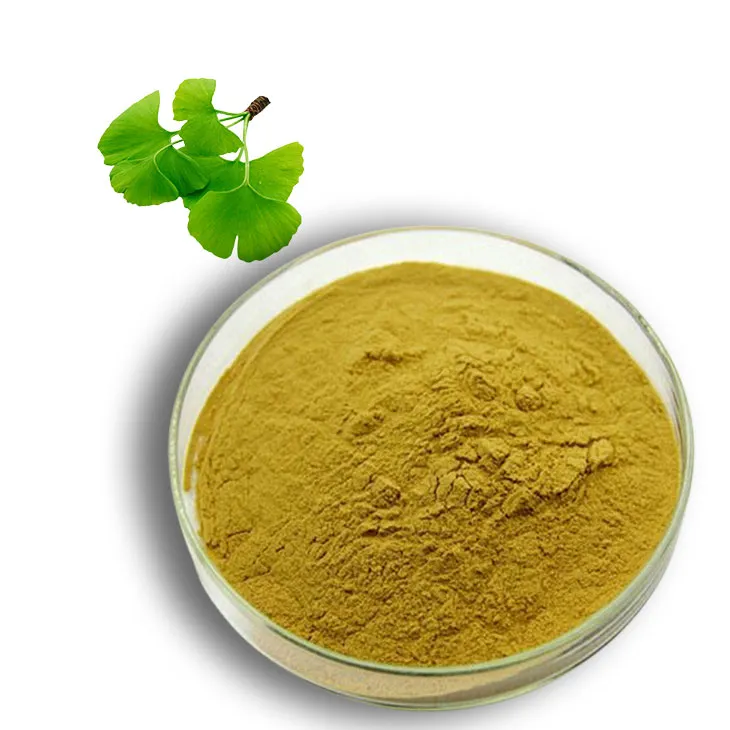
Ginkgo Biloba Extract is composed of several important components, which contribute to its various biological activities.
2.1 Flavonoids
Flavonoids are one of the major components in Ginkgo Biloba Extract. They play a significant role in antioxidant activities. These flavonoids can scavenge free radicals in the body, which are known to cause oxidative stress and damage to cells. By neutralizing free radicals, they help protect cells in the cardiovascular and cerebrovascular systems from damage, potentially reducing the risk of various diseases related to oxidative stress such as atherosclerosis.
2.2 Terpenoids
Terpenoids are another important class of compounds in the extract. They are known for their ability to influence blood circulation. Specifically, terpenoids can dilate blood vessels, which helps to improve blood flow. This is particularly beneficial for the cardiovascular and cerebrovascular systems as it can ensure that oxygen and nutrients are efficiently delivered to all parts of the body. Additionally, terpenoids may also have anti - inflammatory properties, which can further contribute to the overall health of these systems.
3. Costs Associated with Ginkgo Biloba Extract
The cost of Ginkgo Biloba Extract is influenced by multiple factors.
3.1 Raw Material Sourcing
The quality and cost of raw materials play a crucial role. Ginkgo biloba trees need to be carefully cultivated and harvested. High - quality raw materials often come from well - managed plantations where the trees are grown under optimal conditions. However, these sources may be more expensive due to the costs associated with proper cultivation, including soil management, pest control, and irrigation. In addition, the geographical location of the source can also affect the cost. For example, if the raw materials are sourced from a region with a limited supply but high demand, the cost is likely to be higher.

3.2 Extraction Processes
The extraction process of Ginkgo Biloba Extract is complex and can significantly impact the cost. Different extraction methods require different equipment, solvents, and processing times. For example, some extraction methods may use organic solvents which are not only costly but also require strict safety and environmental management. Moreover, advanced extraction techniques that can produce higher - quality and more pure extracts may also be more expensive. These techniques often involve sophisticated equipment and highly trained personnel to operate.
4. Benefits of Ginkgo Biloba Extract in Cardiovascular Health
Ginkgo Biloba Extract offers numerous benefits for cardiovascular health.

4.1 Improvement of Blood Circulation
As mentioned earlier, the terpenoids in Ginkgo Biloba Extract can dilate blood vessels. This dilation allows for a more efficient flow of blood throughout the cardiovascular system. Improved blood circulation helps to deliver oxygen and nutrients to the heart muscle more effectively. It also helps in the removal of waste products from the heart and surrounding tissues. This can be especially important for individuals with heart diseases or those at risk of developing heart problems, as it can reduce the workload on the heart and improve its overall function.
4.2 Reduction of Platelet Aggregation
Platelet aggregation can lead to the formation of blood clots, which is a major risk factor for cardiovascular diseases such as heart attacks and strokes. Ginkgo Biloba Extract has been shown to have anti - platelet properties. It can inhibit platelet aggregation, thereby reducing the risk of clot formation. By doing so, it helps to keep the blood flowing smoothly through the blood vessels, preventing blockages that could lead to serious cardiovascular events.
4.3 Antioxidant Properties
The flavonoids in Ginkgo Biloba Extract act as antioxidants. In the cardiovascular system, oxidative stress can damage the inner lining of blood vessels, promote the formation of atherosclerotic plaques, and increase the risk of heart diseases. The antioxidant properties of the extract can neutralize free radicals, protecting the blood vessels from oxidative damage. This helps to maintain the integrity of the blood vessel walls and reduces the likelihood of developing atherosclerosis and other cardiovascular disorders.
5. Benefits of Ginkgo Biloba Extract in Cerebrovascular Health
In addition to its benefits for cardiovascular health, Ginkgo Biloba Extract also has positive effects on cerebrovascular health.
5.1 Blood Flow to the Brain
Just as in the cardiovascular system, the extract can improve blood flow in the cerebrovascular system. By dilating blood vessels in the brain, it ensures that the brain receives an adequate supply of oxygen and nutrients. This is crucial for maintaining normal brain function, including cognitive abilities such as memory, concentration, and learning. Inadequate blood flow to the brain can lead to various neurological problems, and Ginkgo Biloba Extract may help prevent or alleviate such issues.
5.2 Neuroprotective Effects
The antioxidant and anti - inflammatory properties of Ginkgo Biloba Extract also contribute to its neuroprotective effects. In the brain, oxidative stress and inflammation can damage neurons and disrupt normal neural communication. The extract can protect neurons from these harmful effects, potentially reducing the risk of neurodegenerative diseases such as Alzheimer's and Parkinson's. It may also help in the recovery from brain injuries by promoting the survival and regeneration of neurons.
6. Use of Ginkgo Biloba Extract in Pharmaceuticals
Due to its multiple beneficial properties, Ginkgo Biloba Extract has been widely used in the pharmaceutical industry.
6.1 Formulations
It can be formulated into various pharmaceutical products, such as tablets, capsules, and liquid extracts. These formulations are designed to ensure the proper delivery of the active components of the extract to the body. For example, tablets and capsules are convenient for oral administration, while liquid extracts may be more suitable for those who have difficulty swallowing pills.
6.2 Clinical Applications
In clinical settings, Ginkgo Biloba Extract has been studied for the treatment and prevention of various cardiovascular and cerebrovascular diseases. For instance, it has been used in patients with mild to moderate cognitive impairment to potentially improve cognitive function. In the context of cardiovascular diseases, it has been investigated as an adjunct therapy to conventional treatments to further reduce the risk of complications. However, it is important to note that while there are promising results from some studies, more research is still needed to fully understand its effectiveness and safety in different patient populations.
7. Conclusion
Ginkgo Biloba Extract is a valuable natural product with components that offer a range of benefits for cardiovascular and cerebrovascular health. While the costs associated with its production are influenced by factors such as raw material sourcing and extraction processes, the potential health benefits it provides make it an important ingredient in health care and pharmaceutical products. However, further research is still required to optimize its use, ensure its safety, and fully explore its potential in the prevention and treatment of cardiovascular and cerebrovascular diseases.
FAQ:
What are the main components of Ginkgo Biloba Extract?
The main components of Ginkgo Biloba Extract are flavonoids and terpenoids. These components contribute to its various biological activities.
How does Ginkgo Biloba Extract improve blood circulation?
It can dilate blood vessels, which helps in reducing resistance in the blood vessels. This allows for better blood flow, thus improving blood circulation.
What role does Ginkgo Biloba Extract play in reducing platelet aggregation?
It contains certain substances that interfere with the normal process of platelet aggregation. By doing so, it helps to prevent the formation of blood clots that could potentially block blood vessels.
How are the costs of Ginkgo Biloba Extract - based products determined?
The costs are determined by multiple factors. Raw material sourcing is one key factor. If the raw materials are sourced from high - quality and limited - availability areas, the cost may be higher. Also, the extraction processes involved can be complex and costly. Advanced extraction techniques may require more investment, which in turn affects the final product cost.
What antioxidant properties does Ginkgo Biloba Extract possess?
The flavonoids and terpenoids in Ginkgo Biloba Extract are antioxidants. They can scavenge free radicals in the body, which are harmful substances that can damage cells. By neutralizing these free radicals, it helps protect cells from oxidative stress, which is beneficial for overall health, especially in the context of cardio - cerebrovascular health.
Related literature
- The Effects of Ginkgo Biloba Extract on Cardiovascular Health: A Review"
- "Ginkgo Biloba Extract: Composition, Pharmacological Effects, and Therapeutic Applications in Cerebrovascular Disorders"
- "Cost - effectiveness Analysis of Ginkgo biloba - based Health Products in the Management of Cardio - cerebrovascular Diseases"


-

Cassia Seed Extract
2025-01-10
-

Bamboo Leaf extract
2025-01-10
-

Passionflower Extract
2025-01-10
-

Acerola Extract
2025-01-10
-

Europen Bilberry Extract
2025-01-10
-

Grapefruit Seed Extract Powder
2025-01-10
-

Bilberry Extract
2025-01-10
-

Kelp Extract Powder
2025-01-10
-

Alfalfa Meal
2025-01-10
-

Citrus Aurantium Extract
2025-01-10