


1. Introduction
Ginseng, a well - known plant in traditional medicine, has been highly valued for centuries. Ginseng Root Extract is a concentrated form of the beneficial components present in the ginseng root. This extract has a wide range of applications, both in traditional medicine and in modern research - based therapies. Understanding its composition is crucial for exploring its full potential in various fields.
2. Composition of Ginseng Root Extract
2.1 Ginsenosides
Ginsenosides are the most studied and characteristic components of Ginseng Root Extract. There are multiple types of ginsenosides, such as Rg1, Rb1, and Re. Each type has unique biological activities. For example, Rg1 has been shown to have potential effects on enhancing cognitive function. It may play a role in promoting neural cell growth and differentiation. Rb1, on the other hand, is often associated with its potential anti - stress properties. It may help the body to adapt to various stressors more effectively. Re has been investigated for its possible role in regulating the immune system. These ginsenosides contribute to the overall pharmacological effects of Ginseng Root Extract.
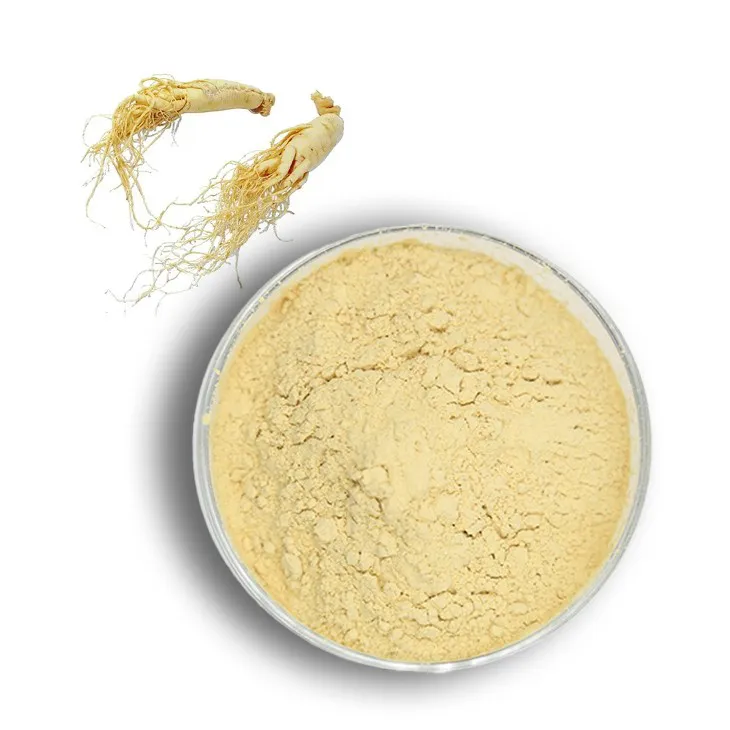
2.2 Peptides
The peptides present in Ginseng Root Extract are also of great significance. They are involved in various physiological processes. Peptides play an important role in tissue repair and regeneration. For instance, some peptides may stimulate the growth of fibroblasts, which are cells responsible for producing collagen. Collagen is essential for maintaining the integrity of tissues such as skin, tendons, and bones. The peptides in Ginseng Root Extract may also have antioxidant properties, helping to protect cells from oxidative damage.

2.3 Minerals
Ginseng Root Extract contains several minerals that are beneficial for human health. These include potassium, calcium, and magnesium. Potassium is important for maintaining proper heart function and fluid balance in the body. Calcium is well - known for its role in bone health, as it is a major component of bones and teeth. Magnesium is involved in many enzymatic reactions in the body, including those related to energy production. The presence of these minerals in the Ginseng Root Extract adds to its overall nutritional value.
3. Applications of Ginseng Root Extract

3.1 Traditional Asian Medicine
In traditional Asian medicine, Ginseng Root Extract has a long history of use. It has been used to treat a variety of ailments. One of the common applications is in enhancing sexual function. In traditional beliefs, ginseng is considered to be a natural aphrodisiac. It is thought to improve libido and sexual performance in both men and women. Another application is in reducing menopausal symptoms. Menopausal women may experience symptoms such as hot flashes, mood swings, and sleep disturbances. Ginseng Root Extract may help to alleviate some of these symptoms by regulating hormonal balance.

3.2 Modern Medical Research
- Anti - cancer properties: In modern times, Ginseng Root Extract has attracted the attention of the scientific community for its possible anti - cancer properties. Some studies have suggested that certain components in the extract, such as ginsenosides, may have the ability to inhibit the growth of cancer cells. For example, they may interfere with the cell cycle of cancer cells, preventing their uncontrolled division. However, more research is needed to fully understand the mechanisms and potential applications in cancer treatment.
- Dietary supplements: Ginseng Root Extract is widely used in the manufacturing of dietary supplements. It is promoted for its general health - enhancing capabilities. For instance, it is often claimed to improve digestion. The peptides and other components in the extract may help to stimulate the secretion of digestive enzymes, thereby improving the digestive process. It is also promoted for reducing stress - related symptoms. In today's fast - paced life, stress is a common problem. Ginseng Root Extract may help to reduce stress by modulating the body's stress response system.
4. Mechanisms of Action
- Immune modulation: The components in Ginseng Root Extract, such as ginsenosides, may play a role in modulating the immune system. They can enhance the activity of immune cells, such as macrophages and lymphocytes. Macrophages are responsible for engulfing and destroying foreign invaders, while lymphocytes are involved in specific immune responses. By modulating the immune system, Ginseng Root Extract may help the body to better defend against infections.
- Anti - oxidative stress: As mentioned earlier, the peptides and ginsenosides in the extract may have antioxidant properties. Oxidative stress occurs when there is an imbalance between the production of reactive oxygen species (ROS) and the body's antioxidant defense mechanisms. High levels of ROS can damage cells and tissues, leading to various diseases. Ginseng Root Extract can help to scavenge ROS, reducing oxidative stress and protecting cells from damage.
5. Safety and Precautions
While Ginseng Root Extract has many potential benefits, it is also important to consider safety and precautions. In general, ginseng is considered safe for most people when used in appropriate doses. However, some people may experience side effects. These can include insomnia, nervousness, and increased blood pressure. People with certain medical conditions, such as hypertension or diabetes, should consult their healthcare providers before using Ginseng Root Extract. Pregnant and breastfeeding women should also avoid using ginseng products as there is not enough evidence to ensure their safety during these periods.
6. Conclusion
Ginseng Root Extract is a complex and valuable substance with a rich composition and a wide range of applications. Its traditional uses in Asian medicine have provided a foundation for modern research. The various components, such as ginsenosides, peptides, and minerals, contribute to its diverse pharmacological effects. While it shows great potential in areas such as enhancing health, treating certain diseases, and reducing symptoms, further research is still needed to fully understand its mechanisms of action and to ensure its safety and effectiveness. With continued research, Ginseng Root Extract may become an even more important component in the fields of medicine and health promotion.
FAQ:
What are the main components in Ginseng Root Extract?
The main components in Ginseng Root Extract are ginsenosides, peptides and minerals. Ginsenosides are further divided into different types, each with unique biological activities.
What are the biological activities of ginsenosides?
Different types of ginsenosides have different biological activities. For example, some types may have anti - inflammatory effects.
What is the role of peptides in Ginseng Root Extract?
The peptides in the Ginseng Root Extract are important for its potential role in tissue repair and regeneration.
What are the traditional uses of Ginseng Root Extract?
Ginseng Root Extract has been used for centuries in traditional Asian medicine. It is often recommended for enhancing sexual function and reducing menopausal symptoms.
What are the modern applications of Ginseng Root Extract?
In modern times, Ginseng Root Extract has attracted the attention of the scientific community for its possible anti - cancer properties. It is also utilized in the manufacturing of dietary supplements for improving digestion and reducing stress - related symptoms.
Related literature
- The Composition and Pharmacological Effects of Ginseng Root Extract"
- "Ginseng Root Extract: New Insights into its Applications in Modern Medicine"


-

Natural grape seed extract
2025-01-14
-

Olive leaf extract
2025-01-14
-

Phyllanthus Emblica Extract
2025-01-14
-

Vitamin B6
2025-01-14
-

Vitamin D3
2025-01-14
-

Mulberry Extract
2025-01-14
-

Ginkgo Biloba Extract
2025-01-14
-

Hawthorn Extract
2025-01-14
-

N-Acetyl-L-cysteine(NAC)
2025-01-14
-

Buckthorn bark extract
2025-01-14