


I. Introduction
Astaxanthin has gained significant popularity in recent years due to its numerous health benefits. However, with the growing market, it becomes crucial to know how to choose the right Astaxanthin product. This article will provide comprehensive guidelines on selecting Astaxanthin and also explore its various advantages.
II. How to Choose Astaxanthin
A. Source of Astaxanthin
1. Natural Sources
- Astaxanthin can be derived from natural sources such as microalgae (Haematococcus pluvialis). This is considered a high - quality source as it is the primary natural producer of Astaxanthin in nature. The Astaxanthin obtained from microalgae is often more bioavailable and pure compared to other sources.
- Another natural source is certain types of seafood like salmon, shrimp, and krill. However, the amount of Astaxanthin in these sources may vary, and it may not be as concentrated as in microalgae - derived products.
- Synthetic Astaxanthin is also available in the market. While it may be cheaper, it is often considered less desirable. Synthetic Astaxanthin may not have the same molecular structure and bioactivity as natural Astaxanthin. Some studies suggest that natural Astaxanthin may be more easily absorbed and utilized by the body.
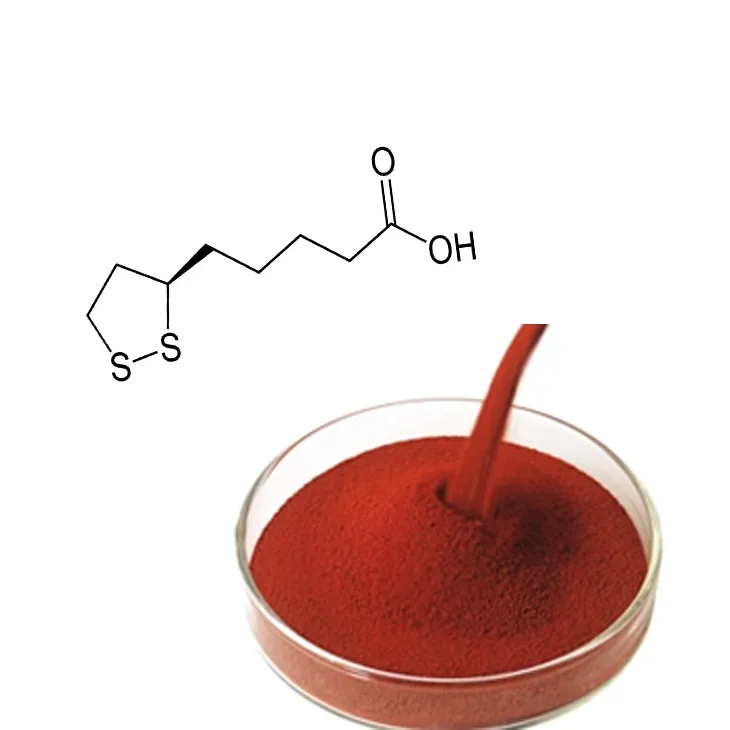
B. Purity of Astaxanthin
1. Checking the Ingredient List
- When choosing an Astaxanthin product, carefully examine the ingredient list. Look for products that have a high percentage of pure Astaxanthin. Some products may contain fillers or additives that can reduce the overall effectiveness of the Astaxanthin.
- Avoid products with a large number of unnecessary ingredients or those with ingredients that may cause allergic reactions.
- Look for products that have relevant certifications. For example, certifications that ensure the purity and quality of the Astaxanthin. These certifications can give you more confidence in the product you are choosing.

C. Form of Astaxanthin
1. Softgels
- Softgels are a common form of Astaxanthin products. They are easy to swallow and can protect the Astaxanthin from degradation. The encapsulation in softgels helps to maintain the stability of the Astaxanthin until it reaches the digestive system.
- Astaxanthin powders are also available. They can be added to drinks or food, which provides flexibility in consumption. However, powders may be more sensitive to environmental factors such as moisture and light, so proper storage is crucial.
III. Advantages of Astaxanthin

A. Antioxidant Properties
1. Super - antioxidant
- Astaxanthin is known as a "super - antioxidant." It has a much stronger antioxidant capacity compared to other well - known antioxidants like Vitamin C and vitamin E. This powerful antioxidant ability allows it to neutralize free radicals in the body effectively.
- Free radicals are unstable molecules that can cause damage to cells, DNA, and proteins. By scavenging free radicals, Astaxanthin helps to protect the body from oxidative stress, which is associated with various chronic diseases such as cancer, heart disease, and neurodegenerative disorders.
- Astaxanthin is particularly effective in protecting cell membranes. It is incorporated into the lipid bilayer of cell membranes, where it can prevent lipid peroxidation. This is important because lipid peroxidation can disrupt the integrity of cell membranes, leading to cell dysfunction and death.
B. Benefits for Skin Health
1. Anti - aging
- Astaxanthin can help reduce the signs of aging in the skin. It helps to improve skin elasticity and firmness by promoting the production of collagen and elastin. Collagen and elastin are important proteins that keep the skin looking youthful and supple.
- It also protects the skin from damage caused by UV radiation. By reducing oxidative stress in the skin cells, Astaxanthin can prevent sun - induced skin aging, such as wrinkles, fine lines, and age spots.
- Astaxanthin has the ability to improve skin hydration. It helps to retain moisture in the skin, making it look healthier and more radiant. This is beneficial for people with dry skin or those who want to improve their overall skin complexion.
C. Support for Joint and Eye Health
1. Joint Health
- Astaxanthin has anti - inflammatory properties, which can be beneficial for joint health. It can help reduce inflammation in the joints, which is often associated with conditions such as arthritis. By reducing inflammation, Astaxanthin may relieve joint pain and improve joint mobility.
- In the eyes, Astaxanthin can protect the retina from damage. It has a high affinity for the macular region of the retina, where it can act as a natural filter against harmful blue light and oxidative stress. This can help prevent age - related macular degeneration and other eye diseases.
IV. Conclusion
Choosing the right Astaxanthin product is essential to reap its full benefits. Consider the source, purity, and form of Astaxanthin when making a selection. Astaxanthin offers a wide range of advantages, including powerful antioxidant properties, benefits for skin health, and support for joint and eye health. Incorporating high - quality Astaxanthin into your daily routine can be a great step towards maintaining overall health and well - being.
FAQ:
What are the main sources of Astaxanthin?
Astaxanthin can be sourced from several places. One of the main natural sources is microalgae, especially Haematococcus pluvialis. Some seafood like salmon, shrimp, and krill also contain Astaxanthin as they obtain it from their diet in the wild. However, for supplements, synthetic Astaxanthin is also available, but natural sources are often considered more beneficial due to the presence of other co - nutrients.
How can we determine the purity of Astaxanthin?
To determine the purity of Astaxanthin, you can look at the product label. Reputable products usually clearly state the percentage of Astaxanthin in the supplement. Third - party testing can also be a reliable way. Some independent laboratories can test the product and provide reports on its purity. Additionally, the manufacturing process and the reputation of the brand can give some indications. For example, well - known brands with strict quality control are more likely to produce high - purity Astaxanthin products.
What are the different forms of Astaxanthin available?
There are mainly two forms of Astaxanthin: esterified and free - form. Esterified Astaxanthin is more stable and has a longer shelf - life. It is often found in natural sources. Free - form Astaxanthin, on the other hand, may be more easily absorbed by the body in some cases. Supplements can come in either form, and some products may even contain a combination of both to take advantage of their respective benefits.
What makes Astaxanthin a powerful antioxidant?
Astaxanthin has a unique molecular structure that allows it to effectively scavenge free radicals. It can neutralize different types of free radicals, including singlet oxygen and peroxyl radicals. Its antioxidant activity is much stronger compared to other common antioxidants like Vitamin C and vitamin E. This is because of its ability to interact with cell membranes and protect them from oxidative damage at a cellular level.
How does Astaxanthin benefit skin health?
Astaxanthin benefits skin health in multiple ways. It can protect the skin from UV - induced damage by reducing oxidative stress. It also helps in improving skin elasticity and reducing the appearance of wrinkles. By reducing inflammation in the skin, it can be beneficial for various skin conditions such as acne and eczema. Moreover, it promotes skin hydration, giving the skin a more youthful and healthy appearance.
Related literature
- Astaxanthin: A Review of its Chemistry and Applications in Biology"
- "The Health Benefits of Astaxanthin: A Critical Review"
- "Astaxanthin and Skin Health: An Overview"


-

Stevia Extract
2024-12-13
-

Apricot Powder
2024-12-13
-

Black Pepper Extract
2024-12-13
-

Cranberry Extract
2024-12-13
-

Motherwort Extract
2024-12-13
-

Passionflower Extract
2024-12-13
-

Reishi mushroom extract
2024-12-13
-

Tongkat Ali Extract
2024-12-13
-

Sophora Japonica Flower Extract
2024-12-13
-

Alfalfa Meal
2024-12-13