


1. Introduction to Andrographis paniculata
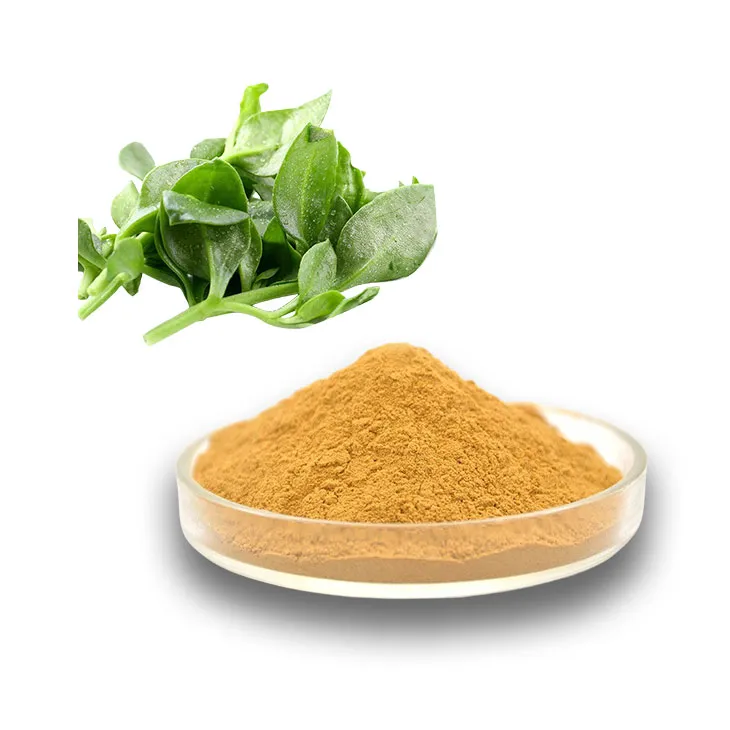
Andrographis paniculata is a well - known medicinal plant in traditional medicine systems. It is rich in various bioactive components that endow it with a wide range of potential applications. These active components play crucial roles in different aspects such as anti - inflammatory, antioxidant, and antimicrobial activities. Understanding these components is the first step in developing effective extraction and processing techniques for pure isolates of Andrographis Paniculata Extract Powder.
2. Active components in Andrographis paniculata
Andrographolide is one of the most important active components in Andrographis paniculata. It has been extensively studied for its significant pharmacological effects. Andrographolide exhibits strong anti - inflammatory properties by inhibiting the production of pro - inflammatory cytokines. Moreover, it also shows antioxidant activity, which helps in scavenging free radicals and protecting cells from oxidative damage.
Another notable component is neo - andrographolide. It has similar biological activities to andrographolide and contributes to the overall therapeutic potential of Andrographis paniculata. These active components, along with others such as deoxyandrographolide, work together to make Andrographis paniculata a valuable source for medicinal extract production.
3. Comparison of different extraction methods
3.1 Maceration
Maceration is a relatively simple and traditional extraction method. In this process, the dried Andrographis paniculata is soaked in a solvent (usually ethanol or water) for a certain period of time. The solvent penetrates the plant material, and the active components gradually dissolve into the solvent. However, this method has some limitations. It is a time - consuming process, and the extraction efficiency is relatively low. Also, the purity of the extract obtained by maceration may not be as high as that of other more advanced methods.
3.2 Soxhlet extraction
Soxhlet extraction is a more efficient method compared to maceration. It involves continuous extraction of the plant material with a solvent. The solvent is repeatedly recycled through the plant material, which helps in extracting a larger amount of active components. However, Soxhlet extraction also has some drawbacks. It requires a relatively large amount of solvent, and the high - temperature extraction process may cause degradation of some heat - sensitive active components.

3.3 Enzymatic extraction
Enzymatic extraction is a more sophisticated method. Enzymes are used to break down the cell walls of Andrographis paniculata, which makes it easier for the solvent to access the intracellular active components. This method can improve the extraction efficiency and the purity of the extract. For example, cellulase and pectinase can be used to degrade the cellulosic and pectinaceous components of the plant cell walls. However, enzymatic extraction is more complex and requires strict control of enzyme activity, reaction temperature, and time.
4. Factors affecting extraction efficiency and purity

4.1 Temperature
Temperature plays a crucial role in the extraction process. Different active components have different temperature sensitivities. For example, at too high a temperature, some heat - sensitive components such as andrographolide may be degraded. On the other hand, a lower temperature may result in a slower extraction rate. Therefore, an optimal temperature range needs to be determined for each extraction method to ensure both high extraction efficiency and purity. In general, for enzymatic extraction, a relatively mild temperature (around 40 - 50°C) is often preferred to maintain the activity of the enzymes and the stability of the active components.
4.2 Time
The extraction time also affects the extraction efficiency and purity. A longer extraction time may increase the yield of active components, but it may also lead to the extraction of more impurities. For maceration, a typical extraction time may range from several hours to a few days. For Soxhlet extraction, the time depends on the amount of plant material and the type of solvent used. In enzymatic extraction, the reaction time needs to be carefully controlled according to the enzyme activity and the nature of the plant material.
4.3 Ratio of raw materials to solvents
The ratio of raw materials (Andrographis paniculata) to solvents is an important factor. A higher ratio of solvents may increase the solubility of the active components and improve the extraction efficiency. However, it also means more solvent consumption and may increase the cost of production. On the other hand, a lower ratio of solvents may result in incomplete extraction. Therefore, an appropriate ratio needs to be determined based on the nature of the active components, the extraction method, and the economic feasibility.
5. Purification of the extract
After the extraction process, the obtained extract usually contains impurities. To obtain pure isolates, purification steps are necessary. One common method is column chromatography. In column chromatography, the extract is passed through a column filled with a stationary phase (such as silica gel or resin). Different components in the extract have different affinities for the stationary phase and the mobile phase (usually a solvent), and thus they are separated as they move through the column.
Another purification method is precipitation. By adding a precipitating agent to the extract, certain impurities can be made to precipitate out, while the desired active components remain in the solution. For example, by adjusting the pH of the extract solution, some acidic or basic impurities can be precipitated.
6. Drying and powder formation
After purification, the extract needs to be dried to form a powder. Freeze - drying is a preferred method in many cases. Freeze - drying can preserve the structure and activity of the active components better than other drying methods such as oven drying. In freeze - drying, the extract is first frozen and then the water is removed under vacuum conditions. This results in a fine powder with high purity and good stability.
Another drying method is spray drying. Spray drying is a relatively fast drying method. The purified extract is sprayed into a hot air stream, where the water is quickly evaporated, leaving behind a powder. However, spray drying may cause some heat - related damage to the active components if the temperature is not properly controlled.
7. Packaging and storage requirements
To maintain the quality of the Andrographis Paniculata Extract Powder over time, appropriate packaging and storage are essential. The extract powder should be packaged in airtight containers, preferably made of materials that are resistant to moisture and light, such as aluminum - foil - lined bags. This can prevent the absorption of moisture and the degradation caused by light exposure.
In terms of storage, the extract powder should be stored in a cool, dry place. The ideal storage temperature is usually around 4 - 8°C. High temperatures and humidity should be avoided as they can accelerate the degradation of the active components.
8. Conclusion
The production of pure isolates of Andrographis Paniculata Extract Powder involves a series of complex processes from extraction to purification, drying, and storage. Different extraction methods have their own advantages and disadvantages, and factors such as temperature, time, and the ratio of raw materials to solvents need to be carefully considered to ensure high extraction efficiency and purity. Purification steps are necessary to remove impurities, and appropriate drying and packaging methods are crucial for maintaining the quality of the final product. With continuous research and improvement, more efficient and high - quality production techniques for Andrographis Paniculata Extract Powder can be developed.
FAQ:
What are the main active components in Andrographis paniculata?
Andrographis paniculata contains several important active components, such as andrographolide. These components are responsible for many of its potential health - promoting and medicinal properties, like anti - inflammatory, antibacterial, and antiviral effects.
What is the advantage of enzymatic extraction compared to simple maceration?
Enzymatic extraction can often be more specific and efficient. Simple maceration may be a relatively basic method that might not fully extract all the desired components. Enzymatic extraction uses enzymes to break down cell walls more precisely, which can lead to a higher yield of the active components and potentially better quality of the extract in terms of purity and potency.
How does temperature affect the extraction of Andrographis Paniculata Extract Powder?
Temperature plays a crucial role. Different active components may have different optimal extraction temperatures. Generally, a higher temperature can increase the rate of extraction by enhancing the solubility of components in the solvent. However, if the temperature is too high, it may cause degradation of some heat - sensitive components, thus reducing the quality and effectiveness of the extract.
What is the significance of the ratio of raw materials to solvents in the extraction?
The ratio of raw materials to solvents affects the concentration gradient during extraction. An appropriate ratio ensures that there is enough solvent to dissolve the active components from the raw materials effectively. If the amount of solvent is too low, the extraction may be incomplete. On the other hand, if the amount of solvent is too high, it may lead to dilution of the extract and require more energy for subsequent concentration steps.
What are the key requirements for packaging Andrographis Paniculata Extract Powder?
The packaging of Andrographis Paniculata Extract Powder should be airtight and moisture - proof. This helps to prevent oxidation and moisture absorption, which can degrade the quality of the powder over time. It is also beneficial to use packaging materials that can block light, as light exposure may also affect the stability of the active components.
Related literature
- Andrographis paniculata: Phytochemistry, Pharmacology, and Clinical Applications"
- "Extraction and Characterization of Bioactive Compounds from Andrographis paniculata"
- "Optimization of Andrographis paniculata Extract Production for High - Quality Isolates"


-

Maitake Mushroom Extract
2024-12-06
-

Citrus Aurantii Extract
2024-12-06
-

Lavender Extract
2024-12-06
-

Tormentil Extract
2024-12-06
-

Aged Garlic Extract
2024-12-06
-

Purple Sweet Potato Extract
2024-12-06
-

Sophora Japonica Flower Extract
2024-12-06
-

Marigold Extract
2024-12-06
-

Acai Berry Extract
2024-12-06
-

Carrageenan Extract Powder
2024-12-06