


1. Introduction
Chinese Artichoke Leaf Extract has been gradually emerging as a significant product in multiple sectors. It has found applications in the fields of medicine, health products, and cosmetics due to its various beneficial properties. As the market for this extract continues to expand, understanding its price trend becomes crucial for all stakeholders involved. Producers need to anticipate price changes to optimize their production and profit margins, while consumers rely on price trends to make informed purchasing decisions.
2. Factors Affecting Production Volume
2.1. Climate and Environmental Conditions
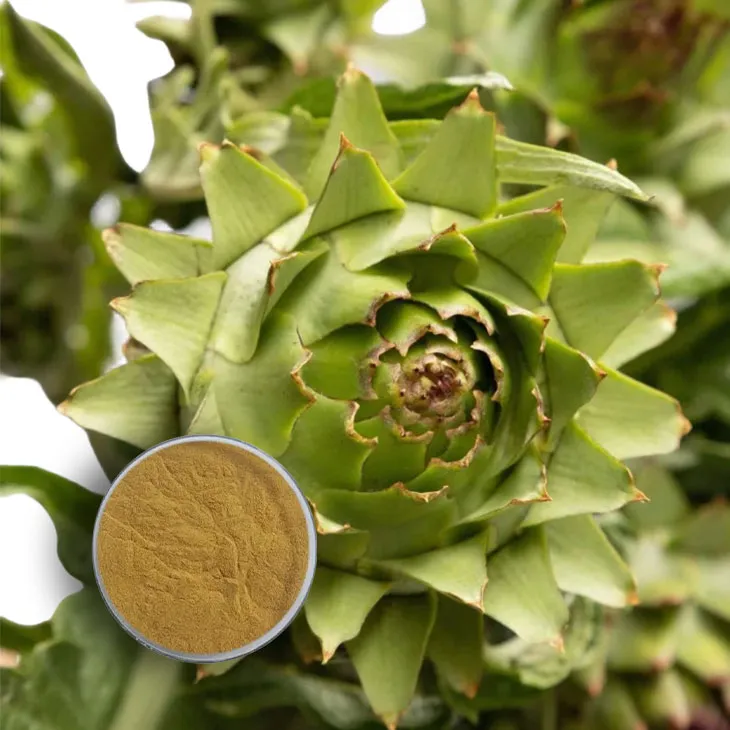
The growth of artichoke plants, from which the leaf extract is derived, is highly dependent on climate and environmental factors. Artichokes generally thrive in temperate climates with well - drained soil. Unfavorable weather conditions such as droughts, floods, or extreme temperatures can significantly impact the yield of artichoke plants. For example, a prolonged drought can cause stunted growth and reduced leaf production, ultimately leading to a decrease in the volume of Artichoke Leaf Extract available in the market. Climate change poses a continuous threat in this regard, as it may introduce more unpredictable weather patterns that can disrupt the production cycle of artichoke plants.
2.2. Agricultural Practices
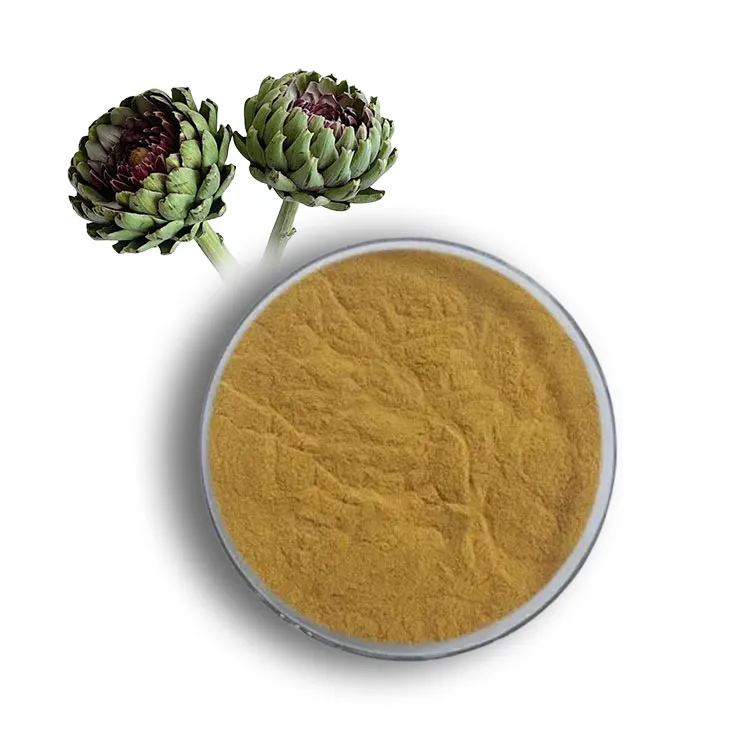
Modern agricultural practices play a vital role in determining the production volume of Artichoke Leaf Extract. The use of advanced irrigation systems, fertilizers, and pesticides can enhance the growth and productivity of artichoke plants. However, improper use of these inputs can have the opposite effect. For instance, over - use of pesticides may harm beneficial insects and soil microorganisms, which are essential for the overall health of the plants. On the other hand, the adoption of sustainable farming practices such as organic farming can also influence production volume. Organic artichoke farming may result in lower yields compared to conventional farming in the short - term, but it can attract a niche market willing to pay a premium for "clean" products.
2.3. Disease and Pest Infestations
Artichoke plants are susceptible to various diseases and pest infestations. Common diseases include fungal infections such as powdery mildew and bacterial diseases that can cause leaf discoloration, wilting, and ultimately death of the plants. Pests like aphids and artichoke plume moths can also damage the plants by feeding on the leaves. These factors can lead to a significant reduction in the quantity of artichoke leaves available for extraction. The control of diseases and pests requires proper monitoring and the use of appropriate control measures, which can add to the production costs and potentially affect the production volume.
3. Market Demand for Artichoke Leaf Extract
3.1. Health and Wellness Industry
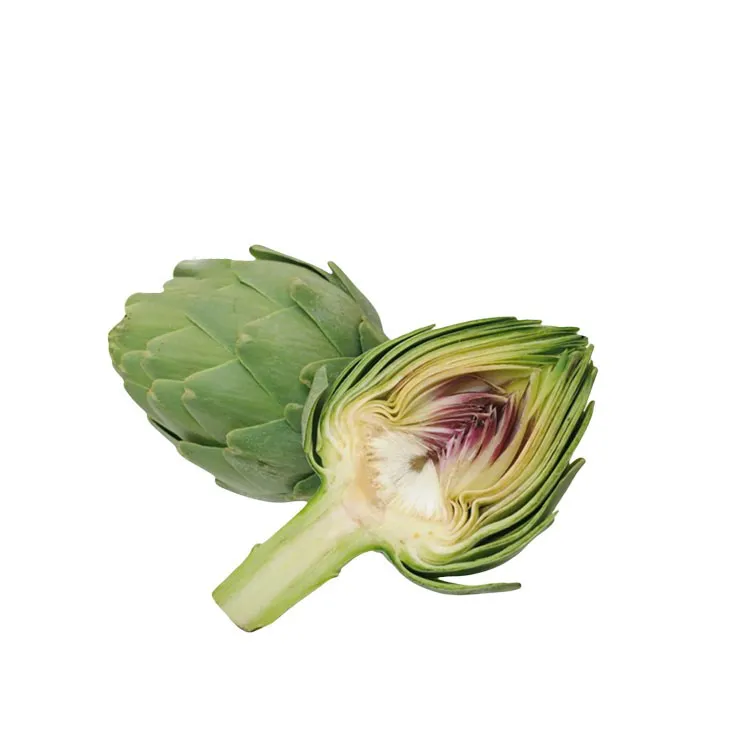
In the health and wellness industry, Artichoke Leaf Extract has gained popularity due to its potential health benefits. It is believed to have properties that can support liver function, aid in digestion, and reduce cholesterol levels. As more people become health - conscious and seek natural remedies for various health issues, the demand for Artichoke Leaf Extract in dietary supplements and functional foods has been on the rise. This trend is further fueled by scientific research that continues to explore and validate the health - promoting properties of the extract. For example, studies on its antioxidant and anti - inflammatory effects have attracted the attention of health - conscious consumers, leading to an increased demand for products containing Artichoke Leaf Extract.
3.2. Cosmetics and Skincare Sector
The cosmetics and skincare sector has also recognized the value of Artichoke Leaf Extract. It is used in various skincare products for its moisturizing, anti - aging, and skin - brightening properties. The extract contains compounds that can help improve skin elasticity, reduce wrinkles, and protect the skin from environmental damage. With the growing global beauty market, especially in regions where consumers are increasingly interested in natural and organic beauty products, the demand for Artichoke Leaf Extract in cosmetics is expected to increase. Brands are constantly looking for innovative natural ingredients to differentiate their products, and Artichoke Leaf Extract offers a promising option.
3.3. Pharmaceutical Applications
Artichoke Leaf Extract has potential pharmaceutical applications as well. Research has shown its possible role in treating certain liver diseases and digestive disorders. Pharmaceutical companies are exploring ways to develop drugs or drug - like products based on the active components of the extract. Although the regulatory process for pharmaceutical products is more stringent compared to the health and wellness or cosmetics sectors, the long - term potential for Artichoke Leaf Extract in the pharmaceutical field is significant. If successful, it could lead to a substantial increase in demand for high - quality, standardized Artichoke Leaf Extract.
4. International Trade Policies
4.1. Tariffs and Import/Export Regulations
Tariffs and import/export regulations can have a direct impact on the price trend of Artichoke Leaf Extract. High tariffs imposed on imports can increase the cost of imported Artichoke Leaf Extract, making it less competitive in the domestic market. Conversely, lower tariffs or preferential trade agreements can facilitate international trade and potentially lower the price for consumers. For example, if a country reduces tariffs on Artichoke Leaf Extract imports from a major producing country, it can lead to an increase in the supply of the extract in the domestic market, which may result in a downward pressure on prices. Import/export regulations also play a role in ensuring the quality and safety of the product. Stringent regulations may require additional testing and certification, which can add to the cost of production and trade.
4.2. Trade Agreements and Their Impact
Trade agreements between countries can significantly influence the trade of Artichoke Leaf Extract. Bilateral or multilateral trade agreements often aim to promote free trade by reducing trade barriers such as tariffs and quotas. For instance, a free trade agreement between two major economies can create new opportunities for Artichoke Leaf Extract producers and exporters. It can open up new markets, increase market access, and potentially lead to economies of scale in production. However, trade agreements can also have negative impacts on domestic producers who may face increased competition from foreign producers. In such cases, domestic producers may need to adjust their production strategies and cost structures to remain competitive.
5. Price Fluctuations in the Artichoke Leaf Extract Market
5.1. Short - Term Fluctuations
Short - term price fluctuations in the Artichoke Leaf Extract market can be attributed to various factors. Seasonal variations in production are a significant factor. For example, during the peak harvesting season, the supply of Artichoke Leaf Extract may increase, leading to a temporary decrease in prices. On the other hand, sudden changes in market demand, such as a spike in demand due to a new product launch or a health trend, can cause prices to rise in the short - term. Additionally, short - term fluctuations can also be influenced by currency exchange rates. If the currency of a major producing country depreciates against the currency of major importing countries, it can make the exported Artichoke Leaf Extract more affordable, potentially increasing demand and affecting prices.
5.2. Long - Term Trends
Long - term trends in the price of Artichoke Leaf Extract are shaped by more fundamental factors such as changes in production technology, market structure, and global economic conditions. Technological advancements in extraction methods can lead to increased efficiency and potentially lower production costs over time, which may result in a downward trend in prices. The evolution of the market structure, such as the entry of new producers or the consolidation of existing ones, can also impact prices. In the long - term, global economic conditions, including economic growth, inflation, and consumer purchasing power, play a crucial role. For example, during periods of economic growth, consumers may have more disposable income to spend on products containing Artichoke Leaf Extract, which can support price stability or even lead to price increases.
6. Conclusion
In conclusion, the price trend of Chinese Artichoke Leaf Extract is a complex phenomenon influenced by multiple factors. Production volume, market demand, and international trade policies all interact to determine the price fluctuations in the market. Producers need to closely monitor these factors and adapt their production and marketing strategies accordingly. For consumers, understanding the price trends can help them make more informed purchasing decisions. As the market for Artichoke Leaf Extract continues to evolve, further research and analysis will be required to stay ahead of the price movements and ensure the sustainable development of the industry.
FAQ:
What are the main factors influencing the price trend of Chinese Artichoke Leaf Extract?
The main factors include production volume. If the production volume is high, it may lead to a downward pressure on prices. Market demand also plays a crucial role. High demand can drive prices up. Additionally, international trade policies can impact the price. For example, import and export regulations, tariffs, and trade agreements can all influence the supply and demand in the market, thereby affecting the price trend.
How has the production volume of Chinese Artichoke Leaf Extract changed in recent years?
The production volume of Chinese Artichoke Leaf Extract may be affected by various factors such as the growth of artichoke cultivation area, farming techniques, and climate conditions. In recent years, with the development of agricultural technology, the cultivation area may have expanded in some regions, which could potentially increase the production volume. However, adverse climate conditions or lack of proper farming management may also lead to fluctuations in production volume.
What is the current market demand situation for Chinese Artichoke Leaf Extract?
The market demand for Chinese Artichoke Leaf Extract is growing in various fields. In the pharmaceutical industry, it may be used for its potential health - promoting properties. In the food and beverage industry, it can be used as an ingredient. Also, in the cosmetics industry, it may be utilized for its beneficial effects on the skin. The increasing awareness of its multiple functions has led to a rising demand in these and other related industries.
How do international trade policies specifically affect the price of Chinese Artichoke Leaf Extract?
International trade policies can have multiple impacts on the price. For instance, if a country imposes high tariffs on the import of Chinese Artichoke Leaf Extract, it may reduce the overseas demand, leading to an oversupply in the domestic market and a downward pressure on prices. On the other hand, favorable trade agreements that promote the export of Chinese Artichoke Leaf Extract can increase the market share abroad, which may drive up the price due to increased demand.
What can producers do to adapt to the price fluctuations of Chinese Artichoke Leaf Extract?
Producers can take several measures. They can improve production efficiency to reduce production costs, so that they can better withstand price fluctuations. They can also closely monitor market demand and adjust production volumes accordingly. Additionally, producers can explore new markets and diversify their product applications to reduce their dependence on a single market or application, which helps them to be more resilient in the face of price changes.
Related literature
- Study on the Production and Market of Chinese Artichoke Leaf Extract"
- "The Influence of International Trade on the Chinese Artichoke Leaf Extract Industry"
- "Analysis of Market Demand Trends for Chinese Artichoke Leaf Extract"


-

Nettle Root Extract
2025-01-11
-

Kidney Bean Extract
2025-01-11
-

Carrageenan Extract Powder
2025-01-11
-

Genistein
2025-01-11
-

Polygonum multiflorum extract
2025-01-11
-

Shikone Extract
2025-01-11
-

Coconut Water Powder
2025-01-11
-

Red Yeast Rice
2025-01-11
-

Rosemary extract
2025-01-11
-

Eyebright Extract
2025-01-11