


1. Introduction to Lemon Extract
Lemon Extract is a powerful and versatile substance that is derived from lemons. It is a concentrated form of the essence of lemons, which means it contains a high amount of the flavors, aromas, and beneficial compounds found in fresh lemons. The extraction process typically involves removing the essential oils and other active components from the lemon peel and sometimes the pulp as well.
2. The Production Process of Lemon Extract
2.1 Harvesting the Lemons
The first step in creating Lemon Extract is to carefully harvest the lemons. Only ripe lemons are usually chosen as they have the highest concentration of the desired compounds. These lemons are picked from lemon trees, which are often grown in regions with a warm climate, such as the Mediterranean or certain parts of California in the United States.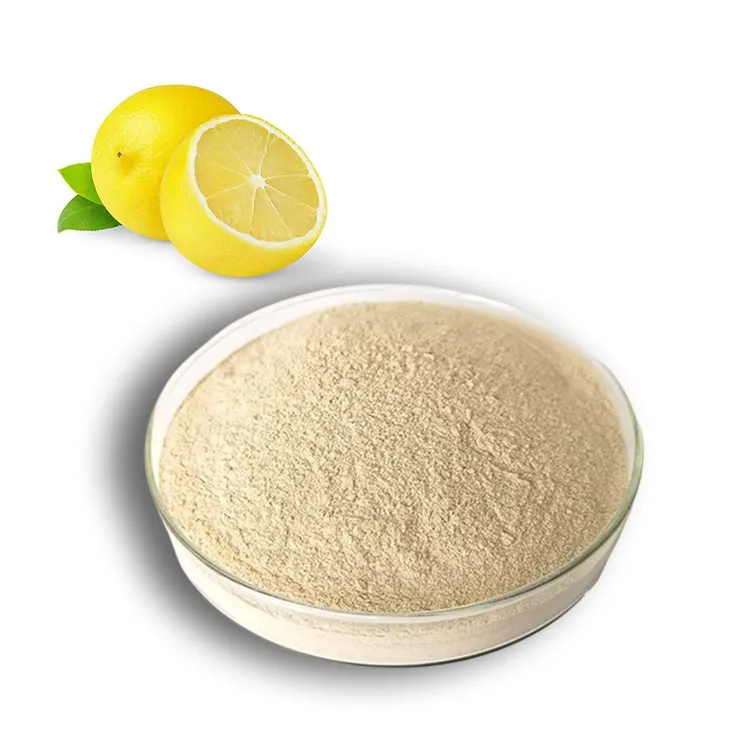
2.2 Extraction Methods
There are several methods to extract the essence from lemons:- Steam Distillation: In this method, steam is passed through the lemon peel or pulp. The heat causes the essential oils and other volatile compounds to vaporize. These vapors are then condensed back into a liquid form, which contains the concentrated Lemon Extract.
- Solvent Extraction: A solvent, such as ethanol, is used to dissolve the active components from the lemon material. The solvent is then removed, leaving behind the Lemon Extract. This method is often used for extracting a wider range of compounds, including some that may not be easily obtained through steam distillation.
- Cold - Press Extraction: This is a more natural method. The lemons are mechanically pressed, and the juice and essential oils are collected. This method is beneficial as it can preserve more of the natural properties of the lemon, especially if it is done at a low temperature.

2.3 Purification and Concentration
After the initial extraction, the Lemon Extract may go through a purification process to remove any impurities, such as residual solvents or unwanted particles. Then, it is often concentrated to increase the potency of the lemon flavor and the concentration of beneficial compounds. This is done through various techniques like evaporation or filtration.3. Culinary Uses of Lemon Extract

3.1 Baking
Lemon Extract is a popular ingredient in baking. It can add a bright, citrusy flavor to a variety of baked goods:- Cakes: Whether it's a simple sponge cake or a rich pound cake, a few drops of Lemon Extract can transform the flavor. It gives a refreshing tang that cuts through the sweetness of the cake, making it more balanced and appealing.
- Cookies: Lemon - flavored cookies are a favorite for many. The extract can be added to the cookie dough, creating a delightful lemony aroma and taste. It pairs well with other flavors like vanilla or almond.
- Pastries: In pastries such as danishes or turnovers, Lemon Extract can be used to add a zesty filling or to enhance the overall flavor of the pastry crust.

3.2 Cooking
In cooking, Lemon Extract has numerous applications:- Sauces: It can be added to savory sauces like béarnaise or hollandaise to give them a subtle lemon note. This adds a touch of freshness and complexity to the sauce.
- Marinades: When used in marinades for meats, poultry, or fish, Lemon Extract helps tenderize the meat and imparts a delicious lemon flavor. It also has the added benefit of helping to mask any strong odors.
- Salad Dressings: A few drops of Lemon Extract in a vinaigrette or creamy salad dressing can give it a bright, acidic kick. It works well with olive oil, vinegar, and various herbs and spices.
3.3 Beverages
Lemon Extract is also used in the beverage industry:- Tea: Adding a drop or two of Lemon Extract to a cup of tea can mimic the taste of adding a slice of fresh lemon. It's a convenient option for those who want a quick lemon - flavored tea without the hassle of slicing a lemon.
- Cocktails: In cocktails, Lemon Extract can be used instead of fresh lemon juice in some cases. It provides a consistent lemon flavor and is easier to measure precisely, which is important for creating well - balanced cocktails.
- Soft Drinks: Some soft drinks may use Lemon Extract to add a natural - tasting lemon flavor. This is especially useful when a more concentrated and stable lemon flavor is desired compared to using fresh lemon juice.
4. Health Benefits of Lemon Extract
4.1 Vitamin C Content
Lemons are well - known for their high Vitamin C content, and Lemon Extract retains a significant amount of this important nutrient. Vitamin C is essential for a healthy immune system, as it helps the body produce white blood cells that fight off infections. It also acts as an antioxidant, protecting the body's cells from damage caused by free radicals.4.2 Digestive Aid
Lemon Extract can have a positive impact on digestion. It stimulates the production of digestive juices, such as gastric acid, which helps break down food more efficiently in the stomach. This can be especially beneficial for people with indigestion or slow digestion. Additionally, it may have a mild laxative effect, helping to keep the digestive system regular.4.3 Anti - Inflammatory Properties
The compounds in Lemon Extract, such as flavonoids and limonoids, have anti - inflammatory properties. This means they can help reduce inflammation in the body, which is associated with many chronic diseases, including arthritis, heart disease, and certain types of cancer. By reducing inflammation, Lemon Extract may contribute to overall health and well - being.4.4 Skin Health
When applied topically or consumed, Lemon Extract can benefit the skin:- Topical Application: Lemon Extract can be used in skincare products such as creams, lotions, and masks. It has astringent properties, which can help tighten pores and reduce oiliness on the skin. It may also have a brightening effect, helping to fade dark spots and even out skin tone.
- Internal Consumption: When consumed, the antioxidants in Lemon Extract can help protect the skin from damage caused by environmental factors such as UV radiation and pollution. This can lead to healthier, more radiant skin over time.
5. Lemon Extract in Skincare
5.1 Natural Astringent
As mentioned before, Lemon Extract is a natural astringent. This means it can cause the skin to contract or tighten, which is beneficial for those with oily or combination skin. It helps to close pores, reducing the appearance of large pores and also minimizing the production of excess sebum.5.2 Skin Brightening
The citric acid and other compounds in Lemon Extract can help to brighten the skin. It works by exfoliating the top layer of dead skin cells, revealing the fresh, new skin underneath. This can give the skin a more radiant and youthful appearance. It is often used in products designed to target hyperpigmentation or dull - looking skin.5.3 Antibacterial and Antifungal Properties
Lemon Extract has antibacterial and antifungal properties. It can help fight off bacteria and fungi that may be present on the skin, preventing infections and breakouts. This makes it a useful ingredient in acne - fighting products or products for treating skin conditions like athlete's foot or fungal nail infections. However, it should be used with caution as it can also be irritating to some people's skin, especially if used in high concentrations or on sensitive skin.
6. Precautions and Considerations
6.1 Skin Sensitivity
While Lemon Extract has many benefits for the skin, it can also cause irritation in some individuals. People with sensitive skin should test a small amount of any product containing Lemon Extract on a patch of skin before using it more widely. If any redness, itching, or burning occurs, it is best to avoid using products with Lemon Extract.6.2 Dietary Considerations
When consuming Lemon Extract, it is important to be aware of its acidity. Excessive consumption of highly acidic substances like Lemon Extract can potentially cause problems for people with certain digestive conditions, such as acid reflux or ulcers. Also, some people may be allergic to lemons or the compounds in Lemon Extract, so it is important to be vigilant for any signs of an allergic reaction, such as hives, swelling, or difficulty breathing.6.3 Storage
Lemon Extract should be stored in a cool, dark place, preferably in a tightly sealed container. Exposure to heat, light, or air can cause the extract to degrade, losing its flavor and potency over time. If stored properly, it can have a relatively long shelf - life, but it is still a good idea to check the expiration date on the product.7. Conclusion
Lemon Extract is a truly remarkable substance with a wide range of uses in the culinary, health, and skincare industries. Whether you are looking to add a burst of lemon flavor to your cooking, boost your health with its natural nutrients, or improve your skin's appearance, Lemon Extract has something to offer. However, it is important to use it with care, taking into account any potential sensitivities or precautions. By understanding all aspects of Lemon Extract, you can fully appreciate and utilize this wonderful product.
FAQ:
What is Lemon Extract?
Lemon Extract is a highly concentrated form of the essence of lemons. It is typically made by extracting the flavors and aromas from lemon peels, juice, or both. This extraction process results in a potent liquid that can be used in various applications.
How is Lemon Extract made?
There are different methods to make Lemon Extract. One common way is through a process of distillation. The lemon peels or juice are heated, and the volatile compounds are collected as steam, which is then condensed back into a liquid. Another method is solvent extraction, where a solvent is used to draw out the flavors and aromas from the lemon parts. After that, the solvent is removed, leaving behind the concentrated Lemon Extract.
What are the culinary uses of Lemon Extract?
Lemon Extract is widely used in cooking and baking. It can add a strong lemon flavor to cakes, cookies, puddings, and other desserts. It is also great for enhancing the taste of savory dishes such as marinades for meats, fish, or vegetables. A few drops of Lemon Extract can bring a fresh and tangy flavor to salad dressings, sauces, and soups.
Can Lemon Extract be used for health purposes?
Yes, Lemon Extract has some potential health benefits. It contains compounds like flavonoids which have antioxidant properties. Some people use it in home remedies for things like soothing a sore throat (by adding it to warm water and honey), or for aiding digestion. However, it should not be considered a substitute for medical treatment.
How is Lemon Extract used in skincare?
In skincare, Lemon Extract can be beneficial. The natural acids in it, such as citric acid, can help exfoliate the skin gently, removing dead skin cells and leaving the skin looking brighter. It may also have antibacterial properties, which can be helpful for treating acne - prone skin. However, it should be used with caution as it can cause irritation in some people, especially those with sensitive skin.
Related literature
- The Chemistry of Lemon Extract and Its Applications"
- "Lemon Extract in Culinary and Medicinal Traditions"
- "Beneficial Effects of Lemon Extract on Skin Health"


-

Red Yeast Rice
2024-12-11
-

Agaricus Blazei Extract
2024-12-11
-

Kupilu Extract
2024-12-11
-

Sugarcane Extract
2024-12-11
-

Rutin
2024-12-11
-

Vitamin B9
2024-12-11
-

Elderberry Extract
2024-12-11
-

Bamboo Leaf extract
2024-12-11
-

Oyster Mushroom Extract Powder
2024-12-11
-

Tormentil Extract
2024-12-11