


1. Introduction
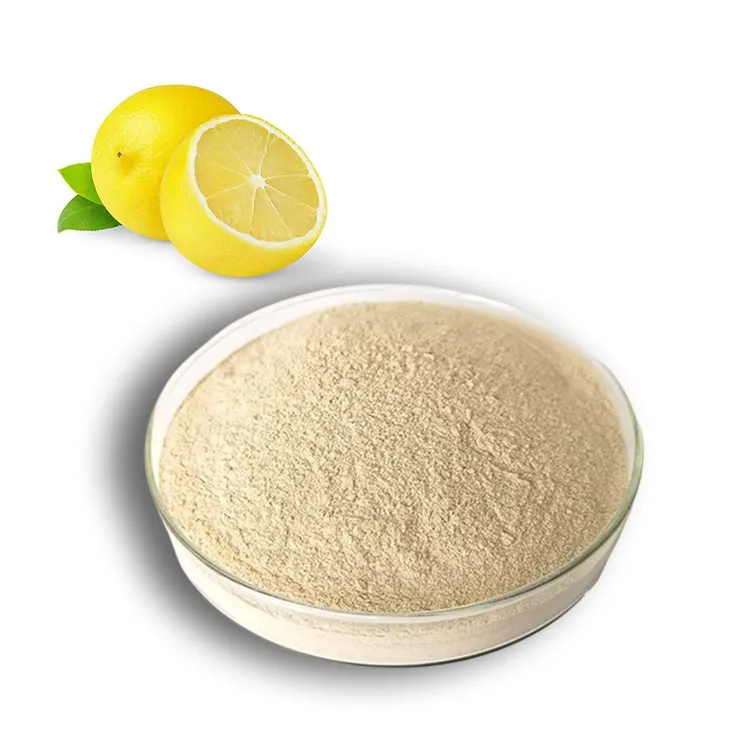
Lemon Extract has become an increasingly important ingredient in various industries, from food and beverage to cosmetics and pharmaceuticals. Its unique flavor, aroma, and a wide range of health benefits have made it a popular choice among consumers. Understanding the manufacturing processes and predicting the future demand growth of Lemon Extract are crucial for businesses and industries relying on this valuable product.
2. Manufacturing Processes of Lemon Extract
2.1 Extraction
Solvent Extraction: One of the common methods for extracting Lemon Extract is solvent extraction. In this process, a suitable solvent such as ethanol or hexane is used. Lemons are first washed and then crushed to release their juices and essential oils. The crushed lemons are then mixed with the solvent. The solvent helps to dissolve the desired compounds from the lemon, such as the flavor and aroma components. After a certain period of mixing, the solvent - lemon mixture is filtered to separate the solid parts of the lemon from the liquid extract - solvent mixture.
Cold - Press Extraction: Cold - press extraction is another method, which is often preferred for obtaining high - quality Lemon Extract. In this process, fresh lemons are mechanically pressed without the use of heat. This helps to preserve the delicate flavor and aroma compounds present in the lemons. The juice obtained from the cold - press process can be further processed to separate the essential oils and other extract components. This method is considered more "natural" as it does not involve the use of chemical solvents.
2.2 Purification
After extraction, the Lemon Extract needs to be purified. Distillation is a widely used purification method. In distillation, the extract - solvent mixture (if solvent extraction was used) is heated. Since different compounds have different boiling points, the volatile components such as the essential oils can be separated from the non - volatile components. The vaporized components are then condensed back into a liquid form, which is a more purified form of the Lemon Extract.
Filtration is also an important part of purification. Micro - filtration or ultra - filtration techniques can be used to remove any remaining solid particles, impurities, or larger molecules from the extract. This helps to improve the clarity and quality of the Lemon Extract.
3. Reasons for Projected Increase in Future Demand

3.1 Trends in Consumer Preference
Natural and Authentic Flavors: Consumers today are increasingly seeking natural and authentic flavors in their food and beverages. Lemon Extract provides a pure and concentrated form of lemon flavor, which is much preferred over artificial lemon flavors. It can be used in a variety of products such as baked goods, ice creams, and soft drinks to enhance the overall taste experience. For example, in the baking industry, Lemon Extract can add a refreshing and tangy flavor to cakes, cookies, and muffins, making them more appealing to consumers.
Health - Conscious Choices: There is a growing trend towards health - conscious consumer choices. Lemon Extract is rich in vitamins (such as Vitamin C), minerals, and antioxidants. Vitamin C is well - known for its immune - boosting properties. Consumers are more likely to choose products that contain Lemon Extract as they perceive it as a healthier option. In the beverage industry, lemon - flavored drinks with real Lemon Extract are becoming more popular as a refreshing and healthy alternative to sugary drinks.

3.2 Health Benefits
Antioxidant Properties: Lemons are rich in antioxidants such as flavonoids and phenolic compounds. These antioxidants are transferred to the Lemon Extract during the manufacturing process. Antioxidants help to neutralize free radicals in the body, which are associated with various diseases such as cancer, heart disease, and aging. Regular consumption of products containing Lemon Extract can potentially contribute to better health and well - being.
Digestive Health: Lemon Extract has been known to aid in digestion. It can stimulate the production of digestive juices in the stomach, helping to break down food more efficiently. This property makes it a valuable ingredient in digestive aids and some traditional herbal remedies. In addition, it may also help in relieving symptoms of indigestion, bloating, and constipation.

3.3 Industrial Uses
Food and Beverage Industry: In the food and beverage industry, the demand for Lemon Extract is expected to grow steadily. As mentioned earlier, it is used for flavoring a wide range of products. It can also be used as a natural preservative in some cases. For example, in pickles and jams, the acidic nature of Lemon Extract can help in preventing the growth of bacteria and fungi, thereby increasing the shelf - life of the products.
Cosmetics Industry: The cosmetics industry is another major area where Lemon Extract is finding increasing use. Lemon Extract is known for its skin - brightening and astringent properties. It can be used in skin care products such as creams, lotions, and toners. In hair care products, it can help in reducing dandruff and adding shine to the hair. The natural fragrance of Lemon Extract also makes it a desirable ingredient in perfumes and body sprays.
Pharmaceutical Industry: In the pharmaceutical industry, Lemon Extract has potential applications. Its antibacterial and antiviral properties make it a candidate for the development of new drugs. It can also be used in the formulation of herbal medicines and dietary supplements. For example, Lemon Extract - based cough syrups may be developed in the future due to its soothing effect on the throat.
4. Conclusion
The manufacturing processes of Lemon Extract involve extraction and purification steps, each with its own set of techniques. The projected increase in future demand for Lemon Extract is driven by trends in consumer preference, its numerous health benefits, and a wide range of industrial uses. As consumers continue to demand natural, healthy, and flavorful products, and industries seek versatile ingredients, Lemon Extract is likely to play an increasingly important role in the global market. Businesses involved in the production, distribution, and use of Lemon Extract should be aware of these trends and be prepared to meet the growing demand.
FAQ:
What are the main manufacturing processes of Lemon Extract?
The manufacturing of Lemon Extract typically involves extraction and purification processes. For extraction, methods can include cold - pressing, where the lemon peel or fruit is mechanically pressed to obtain the essential oils and juices. Another method is solvent extraction, using solvents like ethanol to extract the desired components. After extraction, purification steps are carried out to remove impurities, such as filtering to get rid of solid particles and distillation to separate different volatile components based on their boiling points.
How does consumer preference contribute to the future demand growth of Lemon Extract?
Consumer preference plays a significant role in the projected increase in demand for Lemon Extract. Consumers are increasingly inclined towards natural and healthy flavors in food and beverages. Lemon Extract offers a concentrated and pure form of the refreshing lemon flavor, which is highly desired in products like lemon - flavored cakes, cookies, and drinks. Also, the trend towards clean - label products makes Lemon Extract a favorable choice as it is a natural ingredient, rather than artificial flavorings.
What are the health benefits associated with Lemon Extract that could drive future demand?
Lemon Extract is rich in various beneficial compounds. It contains vitamins such as Vitamin C, which is an antioxidant that can boost the immune system. The citric acid in Lemon Extract may also aid in digestion by promoting the production of digestive enzymes. These health - promoting properties make Lemon Extract an attractive ingredient in dietary supplements, functional foods, and natural health products, thus driving future demand as more people become health - conscious.
What are the industrial uses of Lemon Extract?
In the cosmetic industry, Lemon Extract is used in products like skin creams, lotions, and shampoos. Its natural antibacterial and antifungal properties can help in skin and hair care. In the food industry, aside from flavoring, it can act as a preservative due to its acidic nature. In the pharmaceutical industry, it can be used in the development of drugs or as an ingredient in some traditional medicine formulations.
How is the quality of Lemon Extract ensured during the manufacturing process?
During the manufacturing process, several measures are taken to ensure the quality of Lemon Extract. For the extraction process, high - quality lemons are selected. In the case of cold - pressing, the equipment must be clean and properly maintained to prevent contamination. During purification, strict quality control is applied. For example, in filtration, the appropriate filter membranes are used to ensure complete removal of impurities. Analytical techniques such as chromatography may be used to monitor the composition of the extract and ensure it meets the required standards.
Related literature
- Manufacturing of Fruit Extracts: A Comprehensive Review"
- "The Health Benefits of Citrus Extracts: Focus on Lemon"
- "Consumer Trends and the Demand for Natural Flavor Extracts"
- "Industrial Applications of Plant - based Extracts: The Case of Lemon"


-

Purple Sweet Potato Extract
2024-12-06
-

Bromelain
2024-12-06
-

Dandelion Root Extract
2024-12-06
-

Vitamin B6
2024-12-06
-

Nutmeg Extract
2024-12-06
-

Sugarcane Extract
2024-12-06
-

Lemon Balm Extract
2024-12-06
-

Acerola Extract
2024-12-06
-

Oyster Peptide
2024-12-06
-

Bladder horn extract powder
2024-12-06