


1. Introduction to 100% Pure Natural Yam Extract
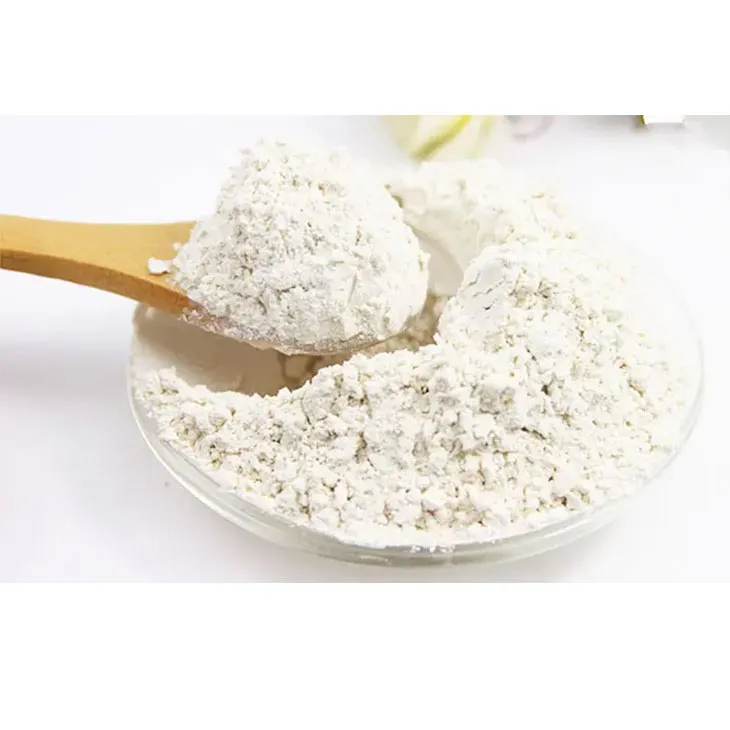
In recent years, the demand for natural supplements has been on the rise, and 100% pure natural Yam Extract has emerged as a popular choice among consumers. Yams are known for their rich nutritional profile, containing various vitamins, minerals, and other beneficial compounds. The extract derived from yams can potentially offer a wide range of health benefits, such as improving digestion, regulating blood sugar levels, and enhancing overall immunity.
2. The Role of Manufacturers
2.1 Sourcing the Best Yams
Manufacturers are at the forefront of ensuring the high - quality production of Yam Extract. Sourcing the best yams is a crucial first step. They need to identify yam varieties that are rich in the desired active ingredients. For example, some yam species may be higher in certain polysaccharides or antioxidants. Manufacturers often collaborate with local farmers or agricultural cooperatives to ensure a steady supply of high - quality yams. This may involve traveling to different regions to find the most suitable yams, taking into account factors such as soil quality, climate, and farming practices.
2.2 Advanced Extraction Techniques
Once the yams are sourced, manufacturers employ advanced extraction techniques to obtain the pure extract while preserving its natural properties. There are several extraction methods available, such as solvent extraction and supercritical fluid extraction. Solvent extraction involves using solvents like ethanol or water to dissolve the active compounds from the yam. However, it is important to ensure that the solvent is removed completely to avoid any residue in the final product. Supercritical fluid extraction, on the other hand, uses substances like carbon dioxide in a supercritical state, which can offer a more selective and efficient extraction process. Manufacturers need to invest in proper equipment and research to optimize these extraction techniques and ensure the highest quality of the Yam Extract.
2.3 Quality Control in Manufacturing
Quality control is an integral part of the manufacturing process. Manufacturers must implement strict quality control measures to ensure that the Yam Extract is pure and free from contaminants. This includes testing for heavy metals, pesticides, and other harmful substances. Regular laboratory analyses are carried out at different stages of production, from raw material inspection to the final product. In addition, manufacturers need to ensure that the extraction process is consistent, so that each batch of Yam Extract has the same composition and quality. This may involve standardizing the extraction parameters, such as temperature, pressure, and extraction time.3. Wholesale Suppliers: The Link between Manufacturers and Markets
3.1 Providing Large Quantities
Wholesale suppliers play a vital role as the link between manufacturers and various markets. They are responsible for providing large quantities of Yam Extract to different businesses. Health food stores, for instance, rely on wholesale suppliers to stock their shelves with Yam Extract products. These stores may require different forms of the extract, such as capsules, powders, or tinctures. Supplement companies also depend on wholesale suppliers to obtain the necessary amounts of Yam Extract for their product formulations. Pharmacies, which are increasingly stocking natural supplements, look to wholesale suppliers for a reliable source of Yam Extract. Wholesale suppliers need to have sufficient inventory management systems in place to meet the demands of these diverse customers.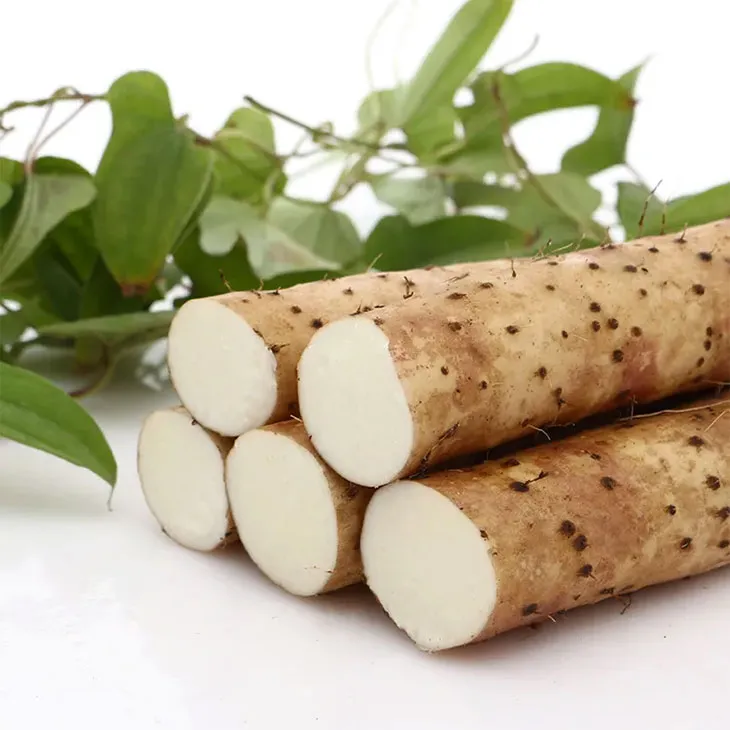
3.2 Market Expansion
Another important function of wholesale suppliers is to contribute to market expansion. They have in - depth knowledge of different market segments and can identify potential areas for growth. For example, they may notice that there is an increasing demand for Yam Extract in the sports nutrition market due to its potential to enhance athletic performance. Wholesale suppliers can then work with manufacturers to develop specialized products for this market segment. They can also help introduce Yam Extract products to new geographical areas, both domestically and internationally. By promoting the product to different regions, they can increase the overall market share of Yam Extract.3.3 Pricing and Cost Management
Wholesale suppliers are also involved in pricing and cost management. They need to balance the cost of purchasing from manufacturers with the prices they offer to their customers. This requires a deep understanding of the cost structure, including factors such as raw material costs, production costs, and transportation costs. Wholesale suppliers may negotiate with manufacturers for better prices based on the volume of purchases. At the same time, they need to set competitive prices for their customers to ensure market acceptance. They may also offer different pricing models, such as volume discounts or promotional pricing, to attract more customers and increase sales volume.4. Exporters: Taking Yam Extract to the International Market
4.1 Importance of Export - Oriented Manufacturers and Suppliers
Export - oriented manufacturers and suppliers are of great significance as they introduce Yam Extract to the international market. The global market for natural supplements is growing rapidly, and there is a significant demand for unique and high - quality products like Yam Extract. By exporting Yam Extract, manufacturers and suppliers can reach a much larger customer base and increase their revenue streams. Moreover, international exposure can enhance the brand image of the product and the companies involved. It also allows for the exchange of knowledge and best practices in the production and marketing of Yam Extract.4.2 Navigating International Regulations
Exporting Yam Extract comes with its own set of challenges, especially in terms of international regulations. Different countries have different regulations regarding the import of natural products. Exporters need to be well - versed in these regulations to ensure compliance. For example, some countries may require specific certifications, such as Good Manufacturing Practice (GMP) certifications or product registration. Exporters must also ensure that their packaging and labeling meet the requirements of the destination countries. This may include providing accurate information about the product's ingredients, usage instructions, and any potential allergens.4.3 Cultural and Market Adaptation
When exporting Yam Extract, it is essential to consider cultural and market adaptation. Different cultures may have different attitudes towards natural supplements and yams in particular. For example, in some Asian cultures, yams are a traditional food and are highly regarded for their health - promoting properties. In Western cultures, the concept of using Yam Extract as a dietary supplement may be relatively new. Exporters need to understand these cultural differences and adapt their marketing strategies accordingly. They may need to conduct market research to identify the preferences and needs of different international markets. This could involve developing new product formulations or packaging designs that are more appealing to the target markets.
5. Factors to Consider When Looking for Reliable Sources
5.1 Quality Control
As mentioned earlier, quality control is crucial when it comes to Yam Extract. When looking for reliable sources, it is essential to ensure that the manufacturer or supplier has a robust quality control system in place. This includes not only testing for purity and absence of contaminants but also for the potency of the active ingredients. A reliable source should be able to provide documentation of their quality control procedures and test results.5.2 Certifications
Certifications are another important factor to consider. Organic certifications, for example, can guarantee that the yams used in the extract are grown without the use of synthetic pesticides and fertilizers. Other certifications, such as non - GMO (Genetically Modified Organism) certifications, can also be significant, especially for consumers who are concerned about the genetic modification of food products. A reputable manufacturer or supplier should be able to display these certifications prominently.5.3 Ethical Sourcing
Ethical sourcing means that the yams are obtained in a sustainable and fair - trade manner. This benefits not only the consumers but also the local farmers and the environment. Ethical sourcing involves ensuring that farmers are paid a fair price for their yams, that farming practices are environmentally friendly, and that the supply chain is transparent. When choosing a reliable source, it is important to inquire about their ethical sourcing practices and look for evidence of their commitment to sustainability.6. Conclusion
In conclusion, the production, distribution, and export of 100% pure natural Yam Extract involve multiple stakeholders, including manufacturers, wholesale suppliers, and exporters. Each of these entities plays a vital role in ensuring that the product reaches the market in a high - quality and sustainable manner. When seeking reliable sources of Yam Extract, factors such as quality control, certifications, and ethical sourcing should be carefully considered. With the increasing global demand for natural supplements, the future of Yam Extract in the international market looks promising, provided that all parties involved uphold high standards of production and business ethics.
FAQ:
Q1: What are the key factors to consider when choosing a manufacturer of 100% pure natural Yam Extract?
When choosing a manufacturer, one should consider quality control measures to ensure the purity and absence of contaminants in the Yam Extract. Certifications like organic certifications are also important as they guarantee the natural origin of the product. Additionally, ethical sourcing is a key factor, which means the yams are obtained sustainably and through fair - trade, benefiting local farmers and the environment.
Q2: How do wholesale suppliers ensure the quality of the 100% pure natural Yam Extract?
Wholesale suppliers should work with reliable manufacturers who have strict quality control procedures. They can also conduct their own quality checks, such as verifying the purity of the extract and ensuring it meets relevant standards. By partnering with manufacturers who have proper certifications and ethical sourcing practices, they can help maintain the quality of the Yam Extract.
Q3: What are the benefits of 100% pure natural Yam Extract?
100% pure natural Yam Extract has several potential benefits. It may contain various nutrients and bioactive compounds that are beneficial for health. For example, it could support overall well - being, potentially have antioxidant properties, and may be used in dietary supplements aimed at promoting specific aspects of health, such as digestion or hormonal balance.
Q4: How do export - oriented manufacturers and suppliers promote 100% pure natural Yam Extract in the international market?
Export - oriented manufacturers and suppliers can promote 100% pure natural Yam Extract in the international market by highlighting its quality, purity, and natural origin. They can participate in international trade shows, use digital marketing strategies to reach a global audience, and work with international partners such as distributors and retailers. Additionally, having relevant certifications and meeting international quality standards can enhance its marketability.
Q5: Are there any regulations governing the production and export of 100% pure natural Yam Extract?
Yes, there are often regulations governing the production and export of 100% pure natural Yam Extract. These can include food safety regulations, regulations related to the use of natural products in supplements, and export - import regulations. Manufacturers and suppliers need to comply with these regulations, which may include requirements for quality control, labeling, and documentation.
Related literature
- The Production and Quality Control of Natural Extracts: A Case Study of Yam Extract"
- "Exporting Natural Supplements: Best Practices in the Yam Extract Industry"
- "Sourcing Yams for High - Quality Extract Production: Ethical and Sustainable Approaches"


-

Oat Straw Extract Powder
2024-12-11
-

Sugarcane Extract
2024-12-11
-

Antler Extract
2024-12-11
-

Black Pepper Extract
2024-12-11
-

Kidney Bean Extract
2024-12-11
-

Ginger Extract
2024-12-11
-

Eucommia Ulmoides Extract
2024-12-11
-

Taurine
2024-12-11
-

Coconut Water Powder
2024-12-11
-

Tormentil Extract
2024-12-11