


1. Introduction
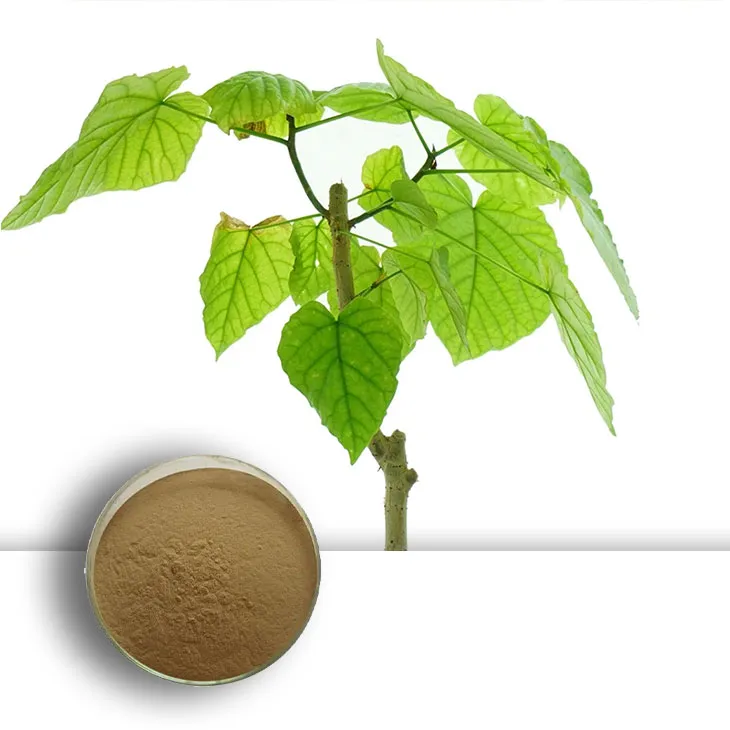
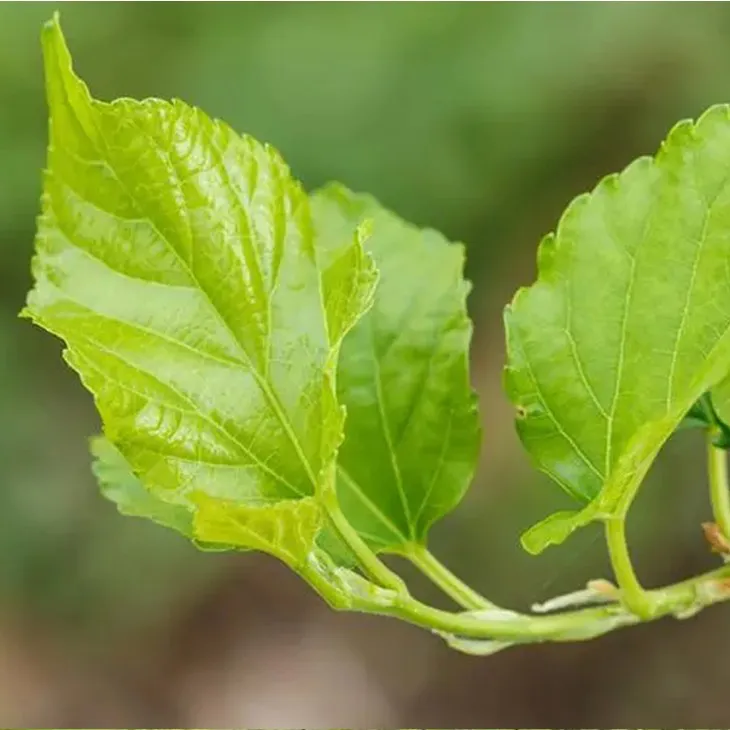
The extract of mulberry leaves, also known as Sang - ye extract, has emerged as a highly valuable and versatile ingredient in various fields. This extract is obtained from the leaves of the mulberry tree, which has been cultivated for centuries in different parts of the world for multiple purposes. Mulberry trees are known for their hardiness and adaptability, and the leaves have been found to possess a rich composition of bioactive compounds, making the extract a subject of great interest in recent years.
2. Composition of Mulberry leaf Extract
The Mulberry leaf Extract contains a variety of components that contribute to its diverse properties. Flavonoids are one of the major groups of bioactive compounds present in the extract. These include Rutin, isoquercitrin, and Quercetin. Flavonoids are known for their antioxidant properties, which can help in neutralizing free radicals in the body and preventing oxidative damage to cells. Another important component is alkaloids, such as 1 - deoxynojirimycin (DNJ). DNJ has been shown to have potential effects on carbohydrate metabolism, which may be beneficial for individuals with diabetes or those at risk of developing the disease.
In addition to flavonoids and alkaloids, the extract also contains polyphenols, which further enhance its antioxidant capacity. These polyphenols also play a role in anti - inflammatory processes in the body. The presence of vitamins and minerals in the Mulberry leaf Extract, although in relatively small amounts, also adds to its nutritional value. For example, it contains Vitamin C, which is an essential antioxidant vitamin, and minerals like potassium and calcium.
3. Health - Related Applications
3.1. Improvement of Lipid Metabolism
One of the significant potential health benefits of Mulberry leaf Extract is its effect on lipid metabolism. Studies have suggested that the bioactive compounds in the extract can help in reducing levels of triglycerides and cholesterol in the blood. The flavonoids and alkaloids may interfere with the absorption of dietary lipids in the intestine, thereby reducing the overall lipid load in the body. This can have a positive impact on cardiovascular health, as high levels of triglycerides and cholesterol are associated with an increased risk of heart disease.

3.2. Anti - Diabetic Effects
As mentioned earlier, the presence of DNJ in Mulberry leaf Extract gives it potential anti - diabetic properties. DNJ can inhibit the activity of certain enzymes involved in carbohydrate digestion, such as alpha - glucosidase. By doing so, it slows down the breakdown of complex carbohydrates into simple sugars, which in turn helps in controlling post - meal blood sugar levels. This can be particularly beneficial for diabetic patients who need to manage their blood glucose levels effectively.
3.3. Antioxidant and Anti - Inflammatory Activity
The antioxidant properties of Mulberry leaf Extract, mainly due to its flavonoids and polyphenols, can protect the body against oxidative stress. Oxidative stress is linked to a variety of chronic diseases, including cancer, neurodegenerative diseases, and cardiovascular diseases. By scavenging free radicals, the extract can reduce the damage to cells and tissues. Additionally, the anti - inflammatory activity of the extract can help in alleviating inflammation in the body. Inflammation is a common underlying factor in many diseases, and reducing inflammation can contribute to better overall health.
4. Applications in Functional Foods
Mulberry leaf Extract has found wide applications as a natural additive in the manufacturing of functional foods. Functional foods are those that not only provide basic nutrition but also offer additional health benefits. The extract can be added to a variety of food products, such as beverages, bakery items, and dairy products.
4.1. Beverages
In the beverage industry, Mulberry leaf Extract can be used to produce health - enhancing drinks. For example, it can be added to herbal teas, fruit juices, or energy drinks. The addition of the extract can enhance the antioxidant content of the beverage, making it more appealing to health - conscious consumers. Moreover, the unique flavor of the Mulberry leaf Extract, which is slightly sweet and earthy, can add a distinct taste to the beverage.
4.2. Bakery Items
When added to bakery items like bread, cakes, or cookies, Mulberry leaf Extract can provide additional health benefits. It can act as a natural preservative, extending the shelf life of the products due to its antioxidant properties. Additionally, it can contribute to the nutritional profile of the bakery items, making them a more health - friendly option. For instance, in whole - grain bread, the extract can complement the existing health benefits of the whole grains.
4.3. Dairy Products
In dairy products such as yogurt and milk, Mulberry leaf Extract can be incorporated to enhance their nutritional value. The antioxidant and anti - inflammatory properties of the extract can be beneficial for consumers' health. It can also add a new flavor dimension to dairy products, creating a unique taste experience. For example, in flavored yogurts, the extract can be used in combination with fruits to create a more complex and interesting flavor profile.
5. Role in Traditional Medicine
Mulberry leaf Extract has a long - standing history of use in traditional medicine in many cultures. In traditional Chinese medicine, for example, mulberry leaves have been used for centuries to treat various ailments.
5.1. Treatment of Fever and Colds
Traditionally, Mulberry leaf Extract has been used to relieve symptoms of fever and colds. It is believed to have properties that can help in reducing fever, soothing coughs, and alleviating nasal congestion. The anti - inflammatory and antioxidant properties of the extract may contribute to its effectiveness in treating these common ailments.
5.2. Liver and Kidney Health
Another area where Mulberry leaf Extract has been used in traditional medicine is in promoting liver and kidney health. It is thought to have a detoxifying effect on the liver and can help in maintaining the proper function of the kidneys. The bioactive compounds in the extract may support the metabolic processes in these organs and protect them from damage.
5.3. Eye Health
In some traditional medicine practices, Mulberry leaf Extract has also been associated with eye health. It is believed to have a beneficial effect on maintaining good vision and may be used in the prevention and treatment of certain eye diseases. The presence of antioxidants in the extract may help in protecting the eyes from oxidative damage, which is a factor in the development of age - related eye problems.
6. Industrial Applications
Beyond its applications in health, food, and traditional medicine, Mulberry leaf Extract also has potential uses in the industrial sector.
6.1. Cosmetics
In the cosmetics industry, the antioxidant and anti - inflammatory properties of Mulberry leaf Extract make it a valuable ingredient. It can be used in skin care products such as creams, lotions, and serums. The extract can help in protecting the skin from environmental damage, reducing inflammation, and improving the overall appearance of the skin. For example, it may be effective in reducing wrinkles and improving skin elasticity.
6.2. Textile Industry
The extract can also be used in the textile industry. It has been found to have natural dyeing properties, which can be used to color fabrics. Additionally, the antibacterial properties of the extract can be utilized to produce textiles with antimicrobial properties, which can be useful in applications such as sportswear and medical textiles.
7. Conclusion
In conclusion, Mulberry leaf Extract is a truly versatile ingredient with a wide range of applications. Its rich composition of bioactive compounds endows it with multiple health - related benefits, from improving lipid metabolism to having anti - diabetic and antioxidant effects. In the food industry, it serves as a natural additive in functional foods, enhancing their nutritional value and appeal. In traditional medicine, it has a long history of use for treating various ailments. Moreover, it also shows potential in industrial applications such as cosmetics and textiles. As research continues to uncover more about the properties and potential of Mulberry leaf Extract, it is likely to see even more diverse applications in the future.
FAQ:
What are the bioactive compounds in Mulberry leaf Extract?
Mulberry leaf Extract contains various bioactive compounds, such as flavonoids, alkaloids, and polysaccharides. Flavonoids are known for their antioxidant properties. Alkaloids may have certain physiological effects on the body. And polysaccharides can play a role in immune regulation.
How does Mulberry leaf Extract improve lipid metabolism?
The bioactive compounds in Mulberry leaf Extract can interact with enzymes and receptors related to lipid metabolism. For example, some flavonoids may inhibit the absorption of dietary lipids in the intestine, reducing the amount of lipids entering the bloodstream. They can also enhance the activity of enzymes involved in lipid breakdown, such as lipoprotein lipase, thus promoting the utilization and clearance of lipids from the body.
Can Mulberry leaf Extract be used in all types of functional foods?
While Mulberry leaf Extract has great potential in functional foods, it may not be suitable for all types. It depends on the nature of the functional food, its target consumer group, and regulatory requirements. For instance, in some dairy - based functional foods, its compatibility with other ingredients needs to be carefully considered. Also, in foods aimed at specific dietary needs or restrictions, such as gluten - free or low - sugar products, the addition of Mulberry leaf Extract should not violate these requirements.
What is the traditional use of mulberry leaf in medicine?
In traditional medicine, mulberry leaf has been used for a long time. It has been used to treat symptoms like fever, cough, and headache. It was often prepared as herbal tea or decoction. Some traditional medicine theories suggest that it can help regulate the body's qi" and relieve internal heat, although these concepts are more in the realm of traditional medicine philosophy.
Is Mulberry leaf Extract safe for long - term use?
Generally, when used within appropriate doses, Mulberry leaf Extract is considered safe for long - term use. However, as with any supplement or extract, there may be individual differences in tolerance. Some people may experience mild side effects such as gastrointestinal discomfort. Also, more research is needed to fully understand the long - term effects on different populations, especially those with pre - existing health conditions.
Related literature
- "Mulberry Leaf: A Promising Source of Bioactive Compounds for Health and Wellness"
- "The Role of Mulberry leaf Extract in Functional Food Development"
- "Traditional Medicinal Uses of Mulberry Leaf: A Review"


-

Peppermint Oil
2025-01-09
-

Lemon Juice Powder
2025-01-09
-

L-Theanine Powder
2025-01-09
-

Alfalfa Meal
2025-01-09
-

Pomegranate Extract
2025-01-09
-

Citrus Aurantii Extract
2025-01-09
-

Bromelain
2025-01-09
-

Fenugreek Extract Powder
2025-01-09
-

Dragon Fruit Powder
2025-01-09
-

Camu Camu Extract
2025-01-09