


1. Introduction
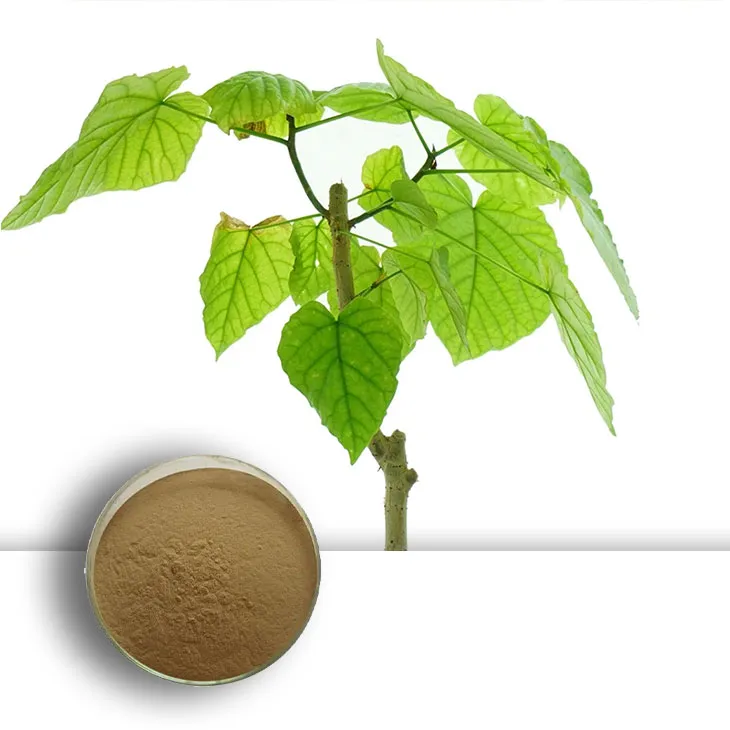
Mulberry leaf Extract has been attracting increasing attention in recent years due to its various components and diverse applications. This extract is obtained from the leaves of the mulberry tree, which has a long history of use in different fields. Understanding the components of Mulberry leaf Extract is crucial for exploring its potential applications.
2. Components of Mulberry leaf Extract
2.1 Flavonoids
Flavonoids are one of the most important components in Mulberry leaf Extract. They are powerful antioxidants that play a significant role in protecting cells and tissues. Flavonoids can scavenge reactive oxygen species (ROS). ROS are highly reactive molecules that can cause oxidative damage to cells, leading to various diseases such as cancer, cardiovascular diseases, and neurodegenerative disorders. By neutralizing ROS, flavonoids help to maintain the integrity of cell membranes, DNA, and other cellular components.
There are different types of flavonoids present in Mulberry leaf Extract, such as Rutin, Quercetin, and kaempferol. These flavonoids also contribute to the anti - inflammatory properties of the extract. They can inhibit the production of inflammatory mediators, reducing inflammation in the body.

2.2 Polysaccharides
Polysaccharides in Mulberry leaf Extract are also of great importance. They are mainly involved in promoting gut health. These polysaccharides can act as prebiotics, which are substances that nourish beneficial gut bacteria. The gut microbiota is a complex community of microorganisms that play a crucial role in digestion, immune function, and overall health.
By providing a source of nutrition for beneficial bacteria like lactobacilli and bifidobacteria, polysaccharides help to maintain a healthy balance of the gut microbiota. A balanced gut microbiota is associated with improved digestion, enhanced immune response, and reduced risk of certain diseases such as inflammatory bowel disease and obesity.
2.3 Alkaloids
Alkaloids are another group of components found in Mulberry leaf Extract. They have been shown to possess various biological activities. Some alkaloids in mulberry leaves may have hypoglycemic effects, which means they can help to regulate blood sugar levels. This property makes Mulberry leaf Extract potentially useful in the management of diabetes.
Moreover, alkaloids may also contribute to the antimicrobial and antiviral activities of the extract. They can inhibit the growth of certain bacteria and viruses, providing a natural defense mechanism against infections.
3. Applications of Mulberry leaf Extract
3.1 In the Textile Industry
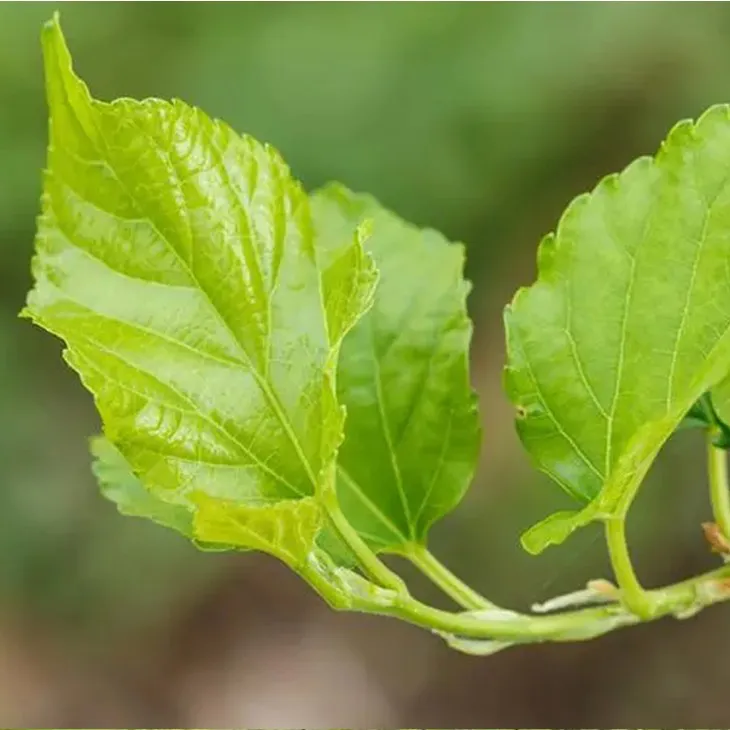
Mulberry leaf Extract has found interesting applications in the textile industry. One of the main applications is in the dyeing process. The extract contains natural pigments that can be used to color fabrics.
- Natural and Sustainable: Using Mulberry leaf Extract for dyeing is a more environmentally friendly option compared to synthetic dyes. Synthetic dyes often contain harmful chemicals that can pollute water sources and have negative impacts on the environment. In contrast, mulberry leaf - based dyes are natural and biodegradable.
- Unique Colors: The natural pigments in Mulberry leaf Extract can produce unique and beautiful colors on fabrics. These colors may range from light yellows to earthy browns, depending on the extraction and dyeing methods used.
3.2 In Traditional Medicine
Mulberry leaf Extract has a long - standing history in traditional medicine. It has been used for centuries in different cultures for various health - promoting purposes.
- Cooling Effect: In some traditional medicine systems, it is believed that Mulberry leaf Extract has a cooling effect on the body. This property is used to treat fevers. When a person has a fever, the body's internal temperature is elevated. Mulberry leaf Extract is thought to help lower the body temperature, providing relief.
- Treatment of Inflammatory Conditions: Due to its anti - inflammatory components such as flavonoids, Mulberry leaf Extract is also used to treat certain inflammatory conditions. Inflammation can cause pain, swelling, and redness in the body. By reducing inflammation, the extract can alleviate these symptoms.
3.3 In the Nutraceutical Market
The nutraceutical market has witnessed a growing trend in the use of Mulberry leaf Extract - based products. This is mainly due to the potential health - enhancing properties of the extract.
- Antioxidant Supplements: Given the high content of flavonoids, Mulberry leaf Extract can be used as an antioxidant supplement. Antioxidants are important for protecting the body against oxidative stress, which is associated with aging and various diseases. Consumers are increasingly interested in natural antioxidant sources, and Mulberry leaf Extract fits this demand.
- Blood Sugar Regulation: As mentioned earlier, some alkaloids in Mulberry leaf Extract may have hypoglycemic effects. This has led to the development of nutraceutical products aimed at helping people with diabetes or those at risk of developing diabetes to manage their blood sugar levels.
- Gut Health Support: The polysaccharides in the extract that promote gut health also make it a popular ingredient in nutraceutical products for gut - related issues. These products can be beneficial for people with digestive problems or those looking to improve their overall gut health.
4. Conclusion
In conclusion, Mulberry leaf Extract is a compound with diverse components and broad - spectrum applications. Its flavonoids, polysaccharides, and alkaloids contribute to its antioxidant, gut - health - promoting, hypoglycemic, anti - inflammatory, antimicrobial, and antiviral properties. The applications in the textile industry, traditional medicine, and nutraceutical market highlight its potential value in different fields. As research continues, more applications and benefits of Mulberry leaf Extract are likely to be discovered, further expanding its role in various industries and in promoting human health.
FAQ:
What are the main components of Mulberry leaf Extract?
The main components of Mulberry leaf Extract are flavonoids, polysaccharides, and alkaloids. Flavonoids are strong antioxidants. Polysaccharides can promote gut health, and alkaloids also contribute to its overall properties.
How do flavonoids in Mulberry leaf Extract function?
Flavonoids in Mulberry leaf Extract act as strong antioxidants. They protect cells and tissues from damage caused by reactive oxygen species, which helps maintain the health of the body at the cellular level.
What role do polysaccharides in Mulberry leaf Extract play in gut health?
Polysaccharides in Mulberry leaf Extract act as prebiotics. They nourish beneficial gut bacteria, which is important for maintaining a healthy gut microbiota and overall gut health.
How is Mulberry leaf Extract used in the textile industry?
In the textile industry, Mulberry leaf Extract can be used in the dyeing process. It contains natural pigments that can be used to color fabrics.
What are the traditional medical uses of Mulberry leaf Extract?
In traditional medicine, Mulberry leaf Extract has been used for centuries. It is believed to have a cooling effect on the body and is used to treat fevers and certain inflammatory conditions.
Related literature
- The Components and Pharmacological Effects of Mulberry leaf Extract"
- "Mulberry leaf Extract: A Comprehensive Review of Its Applications in Different Fields"
- "Analysis of the Functional Components in Mulberry leaf Extract and Their Potential Health Benefits"


-

Fenugreek Extract Powder
2024-12-23
-

L-Tyrosine
2024-12-23
-

Rhodiola Rosea Root extract
2024-12-23
-

Antler Extract
2024-12-23
-

Astaxanthin
2024-12-23
-

Bromelain
2024-12-23
-

American Ginseng Root Extract
2024-12-23
-

Grapefruit Seed Extract Powder
2024-12-23
-

Cordyceps Extract
2024-12-23
-

Grape Leaf Extract
2024-12-23