


1. Introduction
In the world of sports, proper nutrition is crucial for optimal performance, recovery, and overall well - being. Athletes, whether amateurs or professionals, are constantly seeking natural substances that can enhance their physical capabilities and protect their bodies from the stresses associated with intense physical activity. Curcumin, a bioactive compound derived from turmeric, has emerged as a promising candidate in the field of sports nutrition. This article will explore the various ways in which Curcumin can meet the demands of those involved in sports.
2. Curcumin: A Brief Overview
2.1 Chemical Structure
Curcumin has a unique chemical structure that is responsible for its biological activities. It is a polyphenol with a diarylheptanoid structure. This structure gives Curcumin its antioxidant, anti - inflammatory, and other beneficial properties.
2.2 Natural Source
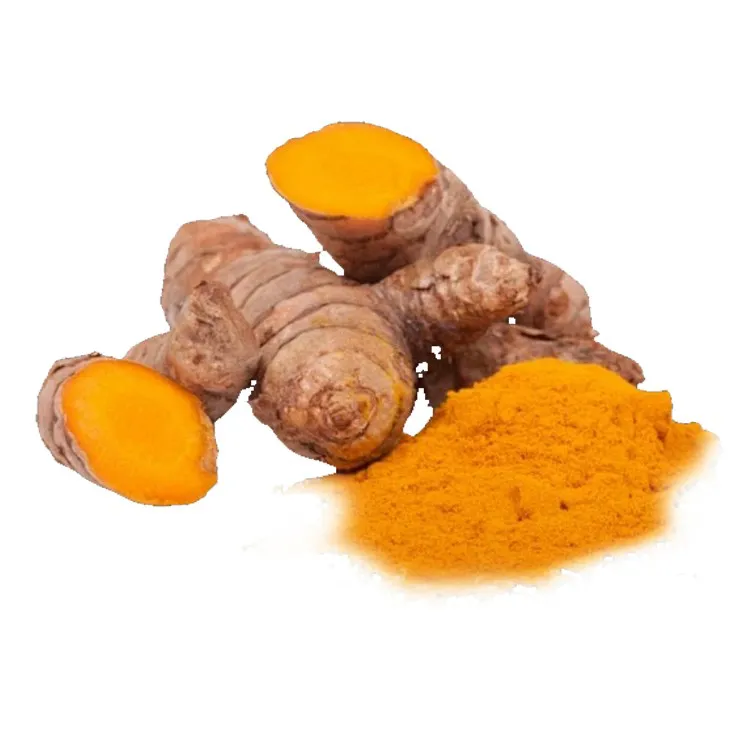
Turmeric, from which Curcumin is derived, is a common spice in Asian cuisine. It has been used for centuries in traditional medicine for its various health - promoting effects. The bright yellow color of turmeric is mainly due to the presence of Curcumin.3. Combating Oxidative Stress during Workouts

3.1 Oxidative Stress in Sports
During intense workouts, the body's metabolic rate increases significantly. This leads to an overproduction of reactive oxygen species (ROS). ROS can cause damage to cells, proteins, and DNA, which can ultimately affect athletic performance and delay recovery. Athletes are particularly vulnerable to oxidative stress due to the high - energy demands of their training.
3.2 Curcumin as an Antioxidant
Curcumin has powerful antioxidant properties. It can scavenge free radicals, which are the main culprits in oxidative stress. By neutralizing free radicals, Curcumin helps to protect cells from damage. Studies have shown that Curcumin can increase the levels of antioxidant enzymes in the body, such as superoxide dismutase (SOD) and glutathione peroxidase (GPx). These enzymes play a crucial role in the body's antioxidant defense system.4. Promoting Joint Health
4.1 Importance of Joint Health for Athletes
Joints are subjected to a great deal of stress during sports activities. Repetitive movements, high - impact landings, and excessive loading can all take a toll on joint health. Athletes, especially those involved in sports such as running, jumping, and weightlifting, are at a higher risk of developing joint problems such as osteoarthritis.
4.2 Curcumin's Anti - Inflammatory Effects on Joints
Curcumin has potent anti - inflammatory effects. Inflammation in the joints can cause pain, swelling, and reduced range of motion. Curcumin can inhibit the production of inflammatory cytokines, such as interleukin - 1β (IL - 1β) and tumor necrosis factor - α (TNF - α). By reducing inflammation, Curcumin can help to relieve joint pain and improve joint function. Clinical trials have demonstrated the effectiveness of Curcumin in reducing joint pain and improving the quality of life for patients with osteoarthritis.5. Potential for Enhancing Muscle Strength
5.1 Muscle Adaptation and Growth
Muscle strength is a key factor in athletic performance. Muscle growth and adaptation occur in response to mechanical stress, such as resistance training. However, there are also various signaling pathways and molecular mechanisms involved in muscle hypertrophy. Curcumin may play a role in modulating these pathways.5.2 Curcumin's Influence on Muscle - Related Signaling Pathways
Some research suggests that Curcumin can influence muscle - related signaling pathways, such as the mTOR pathway. The mTOR pathway is a key regulator of muscle protein synthesis. By activating the mTOR pathway, Curcumin may potentially enhance muscle protein synthesis, leading to increased muscle strength. However, more research is needed to fully understand the mechanisms underlying Curcumin's effect on muscle strength.6. Mechanisms of Action
6.1 Modulation of Cellular Signaling Pathways
Curcumin can interact with multiple cellular signaling pathways. For example, it can modulate the NF - κB pathway, which is involved in inflammation, immunity, and cell survival. By inhibiting the NF - κB pathway, Curcumin can reduce inflammation and protect cells from damage. In addition, Curcumin can also interact with other pathways such as the MAPK pathway, which is involved in cell growth, differentiation, and stress response.6.2 Interaction with Molecular Targets
Curcumin can bind to specific molecular targets in the body. For instance, it can bind to certain enzymes and receptors. By binding to these targets, Curcumin can exert its biological effects. For example, Curcumin can bind to cyclooxygenase - 2 (COX - 2), an enzyme involved in inflammation, and inhibit its activity, thereby reducing inflammation.7. Real - World Applications
7.1 Dietary Supplementation
Curcumin is available as a dietary supplement in various forms, such as capsules, tablets, and powders. Athletes can incorporate Curcumin supplements into their daily diet to reap its benefits. However, it is important to note that the bioavailability of Curcumin is relatively low. To improve its bioavailability, Curcumin can be combined with other substances such as piperine, which is found in black pepper.7.2 Functional Foods
In addition to dietary supplements, Curcumin can also be added to functional foods. For example, Curcumin - enriched sports bars, drinks, or gels can be developed for athletes. These functional foods can provide a convenient way for athletes to consume Curcumin during training or competition.8. Considerations and Limitations
8.1 Bioavailability
As mentioned earlier, the bioavailability of Curcumin is a major concern. Only a small fraction of the ingested Curcumin is actually absorbed by the body. This limits its effectiveness in some cases. Researchers are constantly exploring ways to improve Curcumin's bioavailability, such as through the use of nanoparticles or lipid - based formulations.8.2 Dosage and Safety
Determining the appropriate dosage of Curcumin for sports - related applications is still an area of research. While Curcumin is generally considered safe, high doses may cause side effects such as gastrointestinal discomfort. Athletes should consult with a healthcare professional before starting Curcumin supplementation to ensure its safety and effectiveness.9. Conclusion
Curcumin offers a range of potential benefits in sports nutrition, from combating oxidative stress and promoting joint health to potentially enhancing muscle strength. Its natural origin makes it an attractive option for athletes looking for alternatives to synthetic supplements. However, more research is needed to fully understand its mechanisms of action, optimize its bioavailability, and determine the appropriate dosage for different sports - related applications. With further investigation, Curcumin has the potential to become an important component of sports nutrition regimens for both amateurs and professionals.
FAQ:
1. What are the main benefits of Curcumin in sports nutrition?
Curcumin offers several benefits in sports nutrition. It helps combat oxidative stress during workouts. Oxidative stress can occur due to intense physical activity and can damage cells. Curcumin also promotes joint health, which is extremely important for athletes as their joints are under constant stress. Additionally, it has the potential to enhance muscle strength.
2. How does Curcumin combat oxidative stress during workouts?
Curcumin has antioxidant properties. During workouts, the body produces free radicals which can lead to oxidative stress. Curcumin can neutralize these free radicals, thereby reducing oxidative damage to cells. It does this by donating electrons to the free radicals, making them less reactive and less likely to cause harm.
3. Why is joint health crucial for athletes and how does Curcumin promote it?
Joint health is crucial for athletes because their joints endure repetitive impact and stress during training and competition. Curcumin promotes joint health through its anti - inflammatory properties. Inflammation in the joints can cause pain and reduce mobility. Curcumin can reduce this inflammation, which helps maintain healthy joints and allows athletes to perform better.
4. Can Curcumin really enhance muscle strength? How?
There is potential for Curcumin to enhance muscle strength. It may work by influencing various cellular and molecular pathways involved in muscle growth and function. For example, it could affect muscle protein synthesis or the activation of satellite cells which are important for muscle repair and growth. However, more research is needed to fully understand the mechanisms.
5. Are there any differences in the application of Curcumin for amateur and professional athletes?
While both amateur and professional athletes can benefit from Curcumin, the differences may lie in the level of intensity and frequency of use. Professional athletes, due to their more intense training regimens, may require more precise dosing and monitoring of Curcumin intake. Amateurs may also benefit, but their needs may be less specialized. However, in both cases, individual factors such as overall health, diet, and any pre - existing medical conditions should be considered.
Related literature
TAGS:


-

Coenzyme Q10
2025-01-08
-

Vitamin C
2025-01-08
-

Yam Extract
2025-01-08
-

Genistein
2025-01-08
-

Carrageenan Extract Powder
2025-01-08
-

Ginkgo Biloba Extract
2025-01-08
-

Lavender Extract
2025-01-08
-

Bromelain
2025-01-08
-

Cat Claw Extract
2025-01-08
-

Shikonin
2025-01-08