


1. Introduction
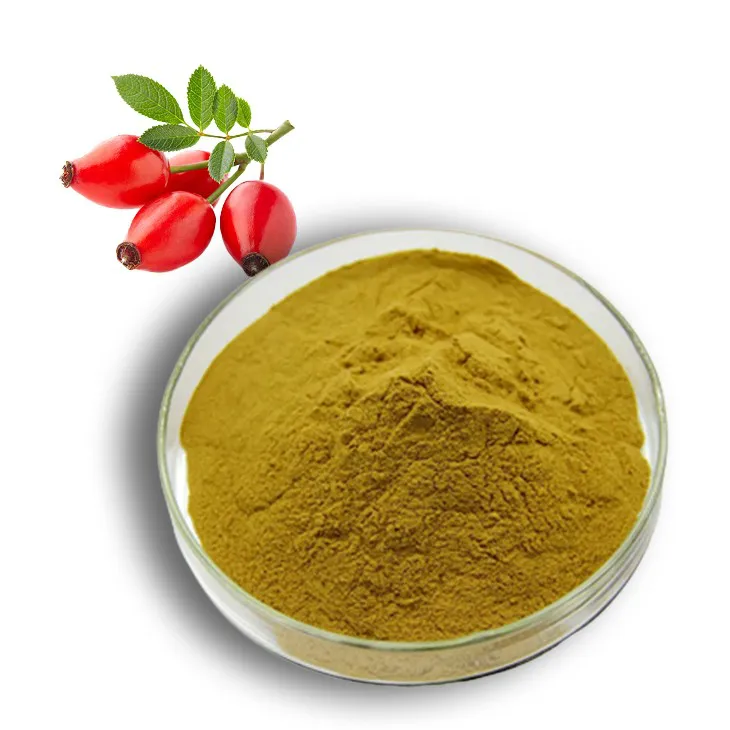
Rosehip extract extraction is a complex and fascinating process that turns the ordinary - looking rosehip into a highly valuable ingredient with numerous applications. This extract is rich in a variety of nutrients and bioactive compounds, making it popular in the fields of cosmetics, pharmaceuticals, and food supplements.
2. Collection of Rosehips
The first step in the extraction process is the collection of rosehips. This is a crucial stage as the quality of the final extract depends significantly on the quality of the starting material.
2.1 Quality Selection
Only high - quality rosehips are chosen for extraction. These are typically sourced from specific rose varieties that are known for their high content of the desired compounds. For example, some varieties may be rich in Vitamin C, while others may have a higher concentration of flavonoids or fatty acids.
2.2 Source Considerations
The geographical source of the rosehips can also play a role in their quality. Rosehips grown in certain regions may be exposed to different environmental conditions, such as sunlight, soil type, and climate, which can affect their chemical composition.
3. Pre - treatment of Rosehips
Once the rosehips are collected, they undergo pre - treatment to prepare them for extraction.

3.1 Sorting
The first pre - treatment step is sorting. This involves carefully examining the rosehips and removing any that are damaged or unripe. Damaged rosehips may contain contaminants or have a lower concentration of the desired compounds, while unripe rosehips may not have fully developed their nutrient profile.

3.2 Washing
After sorting, the rosehips are washed to eliminate any external contaminants such as dirt, dust, or pesticides. This is typically done using clean water, and in some cases, a mild detergent may be used followed by thorough rinsing to ensure no residue remains.
4. Extraction Methods
There are several methods for extracting the valuable compounds from rosehips, each with its own advantages and disadvantages.
4.1 Maceration
Maceration is one of the traditional extraction methods. In this process, the rosehips are soaked in a solvent - based solution for an extended period.
- The solvent acts as a medium to dissolve the active ingredients present in the rosehips. As the rosehips soak in the solvent, the desired compounds gradually leach out into the solution.
- Different solvents can be used depending on the nature of the compounds to be extracted and the intended use of the final extract. For example, ethanol is a commonly used solvent as it is effective in extracting a wide range of compounds and is relatively safe for use in products that may come into contact with the human body.
- However, one of the drawbacks of maceration is that it can be a relatively time - consuming process, and the extraction efficiency may not be as high as some of the more advanced methods.
4.2 Supercritical Fluid Extraction
Supercritical fluid extraction is a more advanced and sophisticated method. In this process, a supercritical fluid, most commonly carbon dioxide (CO₂), is used as the extracting agent.
- Supercritical CO₂ has unique properties that make it an excellent choice for extraction. It has a low critical temperature and pressure, which means it can be easily manipulated in a laboratory or industrial setting.
- One of the major advantages of this method is its selectivity. Supercritical CO₂ can be adjusted to target specific compounds within the rosehips, resulting in a purer extract. For example, it can be used to selectively extract Vitamin C or certain flavonoids without extracting unwanted substances.
- Another advantage is the high purity of the extract obtained. Since supercritical CO₂ is a clean and inert gas, there is no residue left in the extract, making it suitable for use in high - quality products such as pharmaceuticals and high - end cosmetics.
- However, the main disadvantage of supercritical fluid extraction is that it requires specialized equipment, which can be expensive to purchase and maintain. Additionally, the process is more complex and requires trained operators.
5. Purification of the Extract
After the extraction process, the rosehip extract contains a mixture of compounds, and purification steps are necessary to obtain a high - quality final product.
5.1 Chromatography Techniques
Chromatography is one of the most commonly used purification techniques in the production of rosehip extract.
- There are different types of chromatography, such as high - performance liquid chromatography (HPLC) and gas chromatography (GC), which can be used depending on the nature of the compounds to be separated.
- In chromatography, the extract is passed through a stationary phase and a mobile phase. The different components of the extract interact differently with these phases, causing them to separate as they move through the system. This allows for the isolation and purification of specific compounds within the rosehip extract.
- For example, HPLC can be used to separate and purify the flavonoids present in the rosehip extract based on their different chemical properties, such as polarity and molecular weight.
6. The Final Rosehip Extract
After the purification steps, the final rosehip extract is a highly concentrated and refined product.
6.1 Nutrient Composition
The final extract is rich in a variety of nutrients and bioactive compounds.
- It is a significant source of Vitamin C, which is well - known for its antioxidant properties and its role in maintaining a healthy immune system. The Vitamin C content in rosehip extract can be much higher than in many other natural sources.
- Flavonoids are also present in high concentrations. These are a group of plant - based compounds that have been associated with various health benefits, including anti - inflammatory and anti - cancer properties.
- The extract also contains fatty acids, such as omega - 3 and omega - 6 fatty acids, which are essential for maintaining healthy skin, hair, and overall body function.
6.2 Applications
Due to its rich nutrient profile, rosehip extract has a wide range of applications.
- In the cosmetics industry, it is used in skin care products such as creams, lotions, and serums. Its antioxidant and anti - inflammatory properties make it effective in reducing wrinkles, improving skin elasticity, and treating skin conditions such as eczema and psoriasis.
- In the pharmaceutical field, rosehip extract is being studied for its potential therapeutic effects. It may be used in the development of drugs for treating various diseases, including arthritis and other inflammatory conditions.
- It is also used in the food supplement industry, where it is added to products such as multivitamins and health drinks to provide additional nutritional benefits.
FAQ:
What are the main steps in the extraction process of Rose Hip Extract?
The main steps include collection of high - quality rosehips from specific varieties, pre - treatment such as sorting and washing, extraction methods like maceration or supercritical fluid extraction, and finally purification steps such as chromatography techniques.
Why is it important to select high - quality rosehips?
High - quality rosehips are important because they are likely to have a rich content of the desired compounds. They are often from specific rose varieties known for their good content, which will ensure a better - quality final rosehip extract.
What is the role of pre - treatment in the extraction of Rose Hip Extract?
The pre - treatment, which involves sorting and washing, helps to remove damaged or unripe rosehips and eliminate external contaminants. This ensures that only suitable rosehips are used for extraction and helps to produce a purer extract.
How does maceration work in the extraction of Rose Hip Extract?
In maceration, the rosehips are soaked in a solvent - based solution for a long time. This allows the active ingredients in the rosehips to be released into the solution, which is an important part of the extraction process.
What are the advantages of supercritical fluid extraction in Rose Hip Extract extraction?
Supercritical fluid extraction, often using carbon dioxide as the extracting agent, offers advantages such as better selectivity and purity of the extract. Although it is more complex and requires specialized equipment, it can produce a high - quality rosehip extract.
Related literature
- Rose Hip Extract: Production, Composition, and Potential Health Benefits"
- "Advances in the Extraction Technology of Rose Hip Extract"
- "The Chemical Composition and Extraction Optimization of Rose Hip Extract"


-

Maitake Mushroom Extract
2024-12-06
-

L-Arginine alpha-ketoglutarate
2024-12-06
-

Eucommia Ulmoides Extract
2024-12-06
-

Hawthorn powder
2024-12-06
-

N-Acetyl-L-cysteine(NAC)
2024-12-06
-

Lemon Juice Powder
2024-12-06
-

Grape Seed Extract Powder
2024-12-06
-

Alfalfa Meal
2024-12-06
-

Honeysuckle Pollen
2024-12-06
-

Mangosteen extract powder
2024-12-06