


If you have ever shopped for a natural Vitamin C supplement, you have probably come across Acerola Extract on a label. It is a plant ingredient that has earned a solid reputation in the health and food industries, and for good reason. This article explains what Acerola Extract is, why it stands out as a source of Vitamin C, and how the extract is made from the fruit to the finished powder.
What is Acerola Extract?
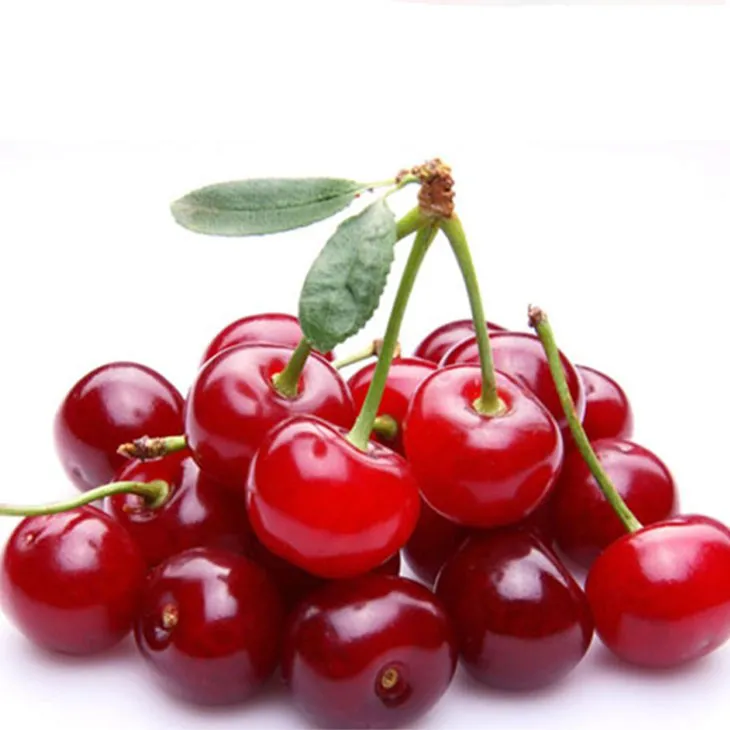
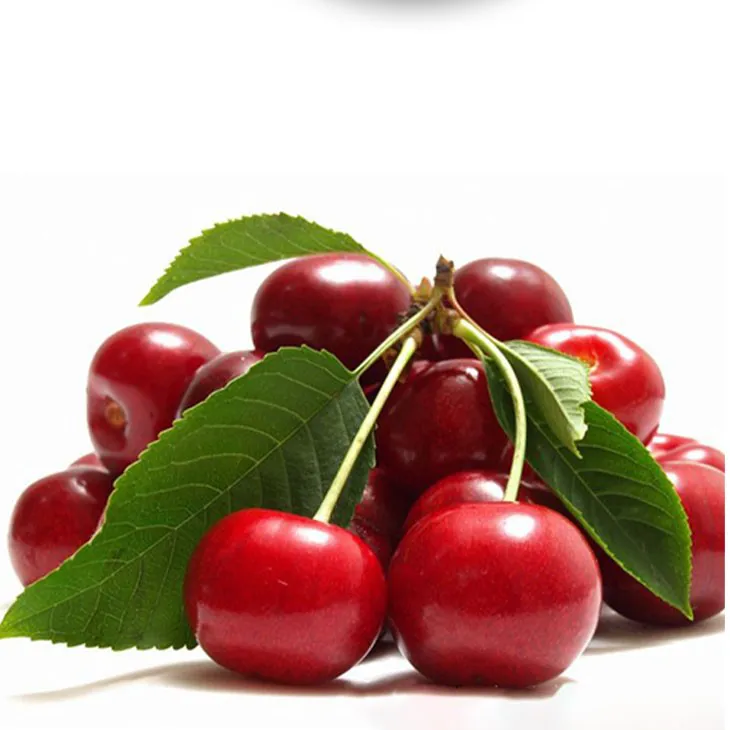
Acerola, botanically known as Malpighia emarginata (and sometimes Malpighia glabra), is a small, bright-red fruit commonly called the West Indian cherry or Barbados cherry. It grows in tropical and subtropical regions of Central America, the Caribbean and northern South America. Acerola Extract is a natural plant extract obtained from these cherries, and it is best known for being exceptionally rich in Vitamin C and antioxidants.
Unlike synthetic ascorbic acid, Acerola Extract delivers Vitamin C together with the fruit's natural co-factors, including carotenoids, polyphenols and bioflavonoids. Many formulators choose it because it offers a plant-based, recognizable source of this essential nutrient rather than relying on artificial Vitamin C. As a result, china plant extract suppliers have made acerola one of the more popular items in the natural ingredient market.
Why is acerola so rich in Vitamin C?
The fruit happens to carry one of the highest natural concentrations of Vitamin C found in any plant source. Because Vitamin C is water-soluble and sensitive to heat, light and oxygen, the way acerola is handled after harvest matters a great deal. If the fruit is processed too aggressively or exposed to heat for too long, much of its Vitamin C can be lost. That is why the extraction method plays such a central role in the final quality of the powder.
How is Acerola Extract made?
Turning ripe acerola cherries into a stable extract powder involves a series of careful steps. Although the exact process varies between manufacturers, the general flow stays the same.
1. Sourcing and selection
Only firm, ripe acerola cherries are selected. The fruit is harvested at the right stage of ripeness, when the Vitamin C content is at its peak, and then washed to remove dust and surface impurities.
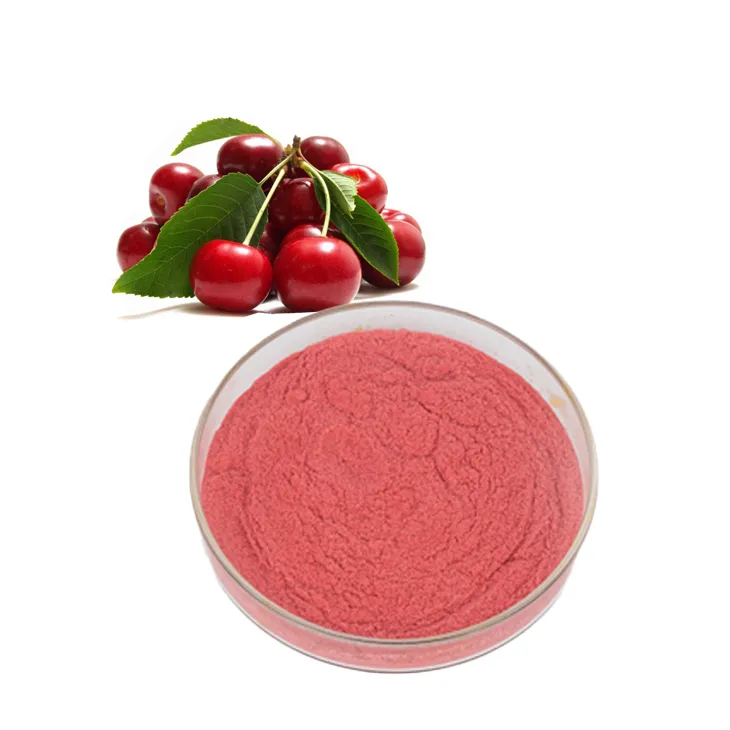
2. Crushing and juice extraction
The clean fruit is crushed or pressed to release its juice and pulp. Gentle pressing preserves the Vitamin C and other active compounds that would be damaged by harsh processing.
3. Filtration
The juice is filtered to remove seeds, fibers and other solid residues. Filtration leaves a cleaner, smoother liquid that is easier to concentrate.
4. Concentration
The filtered juice is concentrated under low temperature to raise the Vitamin C level. Keeping the temperature low is critical, because heat is the main enemy of Vitamin C.
5. Drying
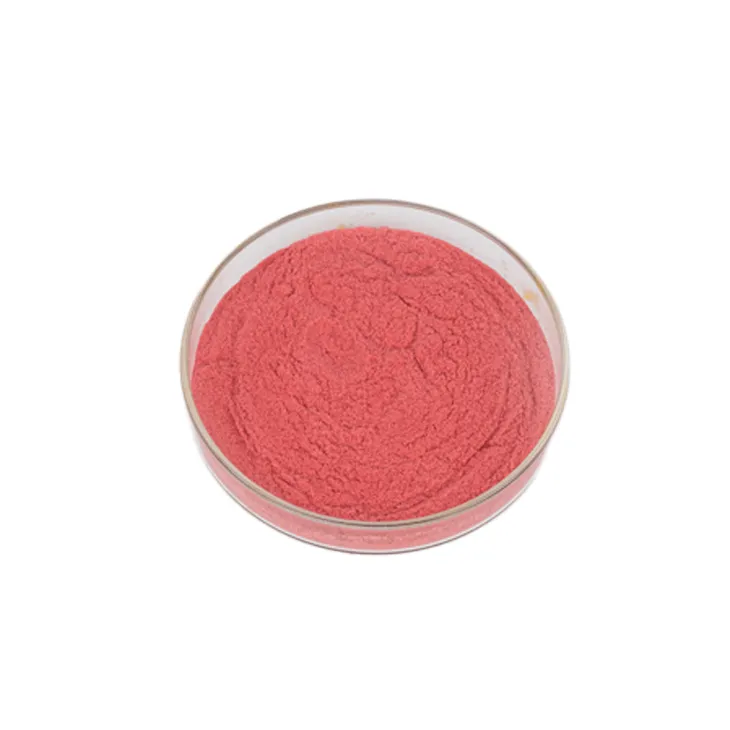
The concentrated liquid is dried into a fine powder, most commonly by spray drying or vacuum drying. This step removes residual moisture and produces a shelf-stable powder that can be blended, packed and shipped.
6. Testing and packaging
The finished powder is tested for Vitamin C content, heavy metals, moisture and microbial safety before it is packed in sealed containers. Reliable manufacturers run these checks to make sure the batch matches its specification.
Experienced producers such as those behind acerola extract rely on low-temperature extraction, chromatographic separation and modern spray drying equipment to protect the delicate nutrients in the fruit. This is where a manufacturer's production setup and quality system make a real difference in the end product.
Health benefits behind the popularity
Much of the interest in Acerola Extract comes from its Vitamin C and antioxidant profile. Vitamin C supports the immune system, helps the body produce collagen for skin and connective tissue, and acts as an antioxidant that helps neutralize free radicals. Because acerola also carries other natural antioxidants, it fits comfortably into both nutritional and skincare formulations.
For supplement brands, acerola offers a clean-label way to add meaningful Vitamin C to capsules, tablets, gummies and powders. For cosmetic formulators, its antioxidant character makes it a sensible ingredient in serums, creams and masks aimed at skin that is exposed to daily environmental stress.
Where is Acerola Extract used?
Acerola Extract is highly versatile and appears across several product categories:
- Dietary supplements – Vitamin C capsules, tablets and effervescent powders.
- Beverages – added to juice blends, smoothies and functional drinks for a natural Vitamin C boost.
- Functional foods – energy bars, gummies and snacks with an enhanced nutritional profile.
- Skincare – creams, serums and masks that benefit from antioxidant and collagen-supporting properties.
- Fruit powder blends – combined with other fruit powders to create convenient, nutrient-dense mixes.
Beyond the extract itself, many brands also work with acerola juice powder, a related form made from the whole fruit that suits beverages, smoothies and food applications.
What to look for in an Acerola Extract supplier
Because the quality of Acerola Extract depends heavily on how the fruit is processed, choosing the right supplier is important. A few things are worth checking: the manufacturer's experience in plant extraction, the source of the raw fruit, the equipment used for extraction and drying, and the quality tests performed on every batch.
A manufacturer with an established organic planting base and a long track record can usually offer more consistent sourcing and tighter quality control. It is also worth confirming that the supplier holds certifications such as ISO and GMP, and that they can provide the documentation you need for your own compliance work.
Why source acerola from a dedicated plant extract manufacturer
Working with a specialized manufacturer often means better consistency, clearer specifications and more reliable supply than buying through a general trader. A dedicated producer can adjust particle size, Vitamin C level and packaging to fit your formulation, and they are better positioned to answer technical questions about the product.
For buyers looking for a dependable natural Vitamin C ingredient, Acerola Extract is a strong candidate. It combines a well-known nutrient with a clean, plant-based image, and it can be used across supplements, beverages, foods and skincare with equal ease.
Understanding what Acerola Extract is and how it is made helps you evaluate ingredients with more confidence. Whether you need the concentrated extract for supplements or the juice powder for beverages, choosing a manufacturer that protects the fruit's natural Vitamin C from harvest to powder is the key to a quality end product.


-

Yam Extract
2026-08-15
-

Fenugreek Extract Powder
2026-08-15
-

Apricot Powder
2026-08-15
-

Baicalin
2026-08-15
-

Honeysuckle Pollen
2026-08-15
-

Dragon Fruit Powder
2026-08-15
-

Almond Extract Powder
2026-08-15
-

Tongkat Ali Extract Powder
2026-08-15
-

Agaricus Blazei Extract
2026-08-15
-

American Ginseng Root Extract
2026-08-15