


1. Introduction
In the pursuit of better health, numerous natural substances have been studied for their potential benefits. Among them, Curcumin, resveratrol, black tea, and N - acetylcysteine (NAC) have attracted significant attention. These substances are found in various sources, and scientific research has been delving into their properties and how they can impact human health. This article aims to comprehensively review the scientific evidence regarding their health - promoting effects, which may range from anti - aging to immune system support and protection against diverse health threats.
2. Curcumin
2.1. Source and Chemical Properties
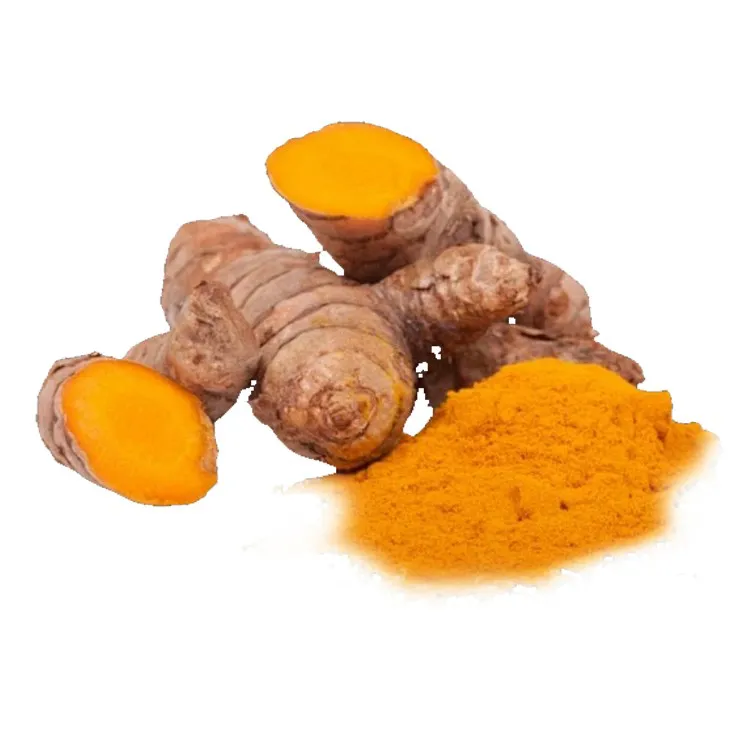
Curcumin is the main active ingredient in turmeric, a spice commonly used in Asian cuisine. It has a bright yellow color and belongs to the polyphenol family. Chemically, it consists of diferuloylmethane, which gives it its characteristic properties.

2.2. Anti - Inflammatory Effects
One of the most well - known benefits of Curcumin is its anti - inflammatory activity. Inflammation is a natural response of the body to injury or infection, but chronic inflammation can lead to various diseases such as arthritis, heart disease, and cancer. Curcumin has been shown to inhibit the activity of several key inflammatory molecules, including cyclooxygenase - 2 (COX - 2) and interleukin - 6 (IL - 6). For example, in vitro studies have demonstrated that Curcumin can significantly reduce the production of these inflammatory mediators in cells stimulated with pro - inflammatory agents.

2.3. Antioxidant Properties
Curcumin also exhibits strong antioxidant capabilities. It can scavenge free radicals, which are unstable molecules that can damage cells and DNA. Free radicals are produced during normal cellular metabolism as well as in response to environmental factors such as pollution and radiation. By neutralizing free radicals, Curcumin helps protect cells from oxidative stress, which is implicated in the aging process and the development of many diseases. Studies have shown that Curcumin can increase the activity of antioxidant enzymes in the body, such as superoxide dismutase (SOD) and glutathione peroxidase.

2.4. Potential Anti - Cancer Effects
There is growing evidence suggesting that Curcumin may have anti - cancer properties. It can interfere with multiple steps in the cancer development process. For instance, Curcumin has been shown to induce apoptosis (programmed cell death) in cancer cells. It can also inhibit angiogenesis, the process by which tumors develop new blood vessels to support their growth. Additionally, Curcumin may modulate the expression of genes involved in cancer cell proliferation and metastasis. However, more research is needed to fully understand its potential as a cancer - fighting agent and to develop effective Curcumin - based cancer therapies.
2.5. Impact on Brain Health
Curcumin may also play a role in maintaining brain health. Some studies have indicated that it can cross the blood - brain barrier. It has been associated with a reduced risk of neurodegenerative diseases such as Alzheimer's and Parkinson's. Curcumin may help clear amyloid - beta plaques, which are characteristic of Alzheimer's disease, and reduce neuroinflammation in the brain. It may also enhance cognitive function, although the exact mechanisms underlying these effects are still being investigated.
3. Resveratrol

3.1. Source and Occurrence
Resveratrol is a polyphenol found in various plants, most notably in grapes, especially in the skins. It is also present in berries, peanuts, and some other plant - based foods. It is produced by plants as a defense mechanism against pathogens such as fungi.
3.2. Anti - Aging Effects
Resveratrol has been widely studied for its potential anti - aging properties. It activates a group of proteins called sirtuins, specifically SIRT1. Sirtuins are involved in various cellular processes related to aging, such as DNA repair, cellular metabolism regulation, and stress resistance. By activating SIRT1, resveratrol may mimic the effects of caloric restriction, which is known to extend lifespan in some organisms. In addition, resveratrol has antioxidant effects similar to Curcumin, protecting cells from oxidative damage that accumulates with age.
3.3. Cardiovascular Benefits
There are several potential cardiovascular benefits associated with resveratrol. It can improve endothelial function, which is crucial for maintaining normal blood vessel health. Resveratrol has been shown to increase the production of nitric oxide in endothelial cells, which helps relax blood vessels and reduce blood pressure. It may also have anti - platelet and anti - inflammatory effects in the cardiovascular system, reducing the risk of thrombosis and atherosclerosis. Some animal studies have suggested that resveratrol can protect against heart damage caused by ischemia - reperfusion injury.
3.4. Anti - Cancer Activity
Similar to Curcumin, resveratrol has shown potential anti - cancer activity. It can induce cell cycle arrest in cancer cells, preventing their uncontrolled growth. Resveratrol also has the ability to modulate the expression of genes involved in cancer development and progression. It may enhance the body's immune response against cancer cells and has been shown to be effective against certain types of cancers in pre - clinical studies. However, further research is required to determine its efficacy in human cancer treatment.
4. Black Tea
4.1. Composition and Types
Black tea is a popular beverage made from the leaves of the Camellia sinensis plant. It contains a variety of compounds, including polyphenols such as theaflavins and thearubigins, which are formed during the fermentation process. There are different types of black tea, such as Assam, Darjeeling, and Ceylon, each with its own unique flavor profile and chemical composition.
4.2. Antioxidant and Anti - Inflammatory Actions
The polyphenols in black tea possess antioxidant and anti - inflammatory properties. They can scavenge free radicals and reduce oxidative stress in the body. These antioxidant effects may contribute to a reduced risk of chronic diseases, including heart disease, cancer, and neurodegenerative disorders. The anti - inflammatory action of black tea polyphenols is thought to be mediated through the inhibition of inflammatory cytokines and enzymes. For example, studies have shown that black tea can reduce the levels of C - reactive protein (CRP), a marker of inflammation in the body.
4.3. Heart Health
Black tea has been associated with several benefits for heart health. Regular consumption of black tea may help lower blood pressure. It can also improve lipid profiles by reducing LDL (bad) cholesterol levels and increasing HDL (good) cholesterol levels. Additionally, the antioxidant and anti - inflammatory effects of black tea may protect the heart from oxidative damage and inflammation, reducing the risk of heart disease.
4.4. Digestive Health
Black tea may also have positive effects on digestive health. It can stimulate the production of digestive enzymes, which aids in the digestion and absorption of food. Some studies have suggested that black tea may have a prebiotic - like effect, promoting the growth of beneficial gut bacteria. This can help maintain a healthy gut microbiota, which is important for overall health, including immune function and metabolism.
5. N - acetylcysteine (NAC)
5.1. Chemical Structure and Function
N - acetylcysteine is a derivative of the amino acid cysteine. It has a unique chemical structure that enables it to play important roles in the body. NAC is a precursor for glutathione, one of the body's most important antioxidants. Glutathione helps protect cells from oxidative damage and is involved in detoxification processes.
5.2. Antioxidant and Detoxifying Effects
As a precursor to glutathione, NAC can enhance the body's antioxidant defenses. It can replenish glutathione levels, especially in situations where glutathione is depleted, such as during oxidative stress or exposure to toxins. NAC also has direct antioxidant properties itself, being able to scavenge free radicals. In terms of detoxification, NAC can bind to and help eliminate heavy metals and other toxins from the body. For example, it has been used in the treatment of acetaminophen overdose, as it can prevent the formation of toxic metabolites by increasing glutathione levels.
5.3. Respiratory Health
NAC has been studied for its potential benefits in respiratory health. It can thin mucus in the lungs, making it easier to cough up. This property makes it useful in the treatment of respiratory conditions such as chronic obstructive pulmonary disease (COPD) and bronchitis. NAC may also reduce inflammation in the airways and protect the lungs from oxidative damage, which are important aspects in managing respiratory diseases.
5.4. Immune System Support
NAC can support the immune system in several ways. By reducing oxidative stress, it helps maintain the integrity of immune cells. It can also modulate the activity of immune cells, such as macrophages and lymphocytes. Additionally, NAC may enhance the body's ability to fight off infections by increasing the production of glutathione, which is involved in immune cell function.
6. Conclusion
In conclusion, Curcumin, resveratrol, black tea, and NAC are all substances with potentially significant health benefits. Curcumin offers anti - inflammatory, antioxidant, and potential anti - cancer and brain - health - promoting effects. Resveratrol has anti - aging, cardiovascular, and anti - cancer properties. Black tea provides antioxidant, anti - inflammatory, heart - health, and digestive - health benefits. NAC plays important roles in antioxidant, detoxification, respiratory - health, and immune - system - support functions. However, it is important to note that while the scientific evidence is promising, more research is needed in many areas to fully understand the mechanisms of action and to develop optimal ways of using these substances for health promotion. Additionally, individual responses to these substances may vary, and it is always advisable to consult a healthcare professional before making significant changes to one's diet or supplement regimen.
FAQ:
What are the main health benefits of Curcumin?
Curcumin has several potential health benefits. It is known for its anti - inflammatory properties, which can help in reducing chronic inflammation in the body. It may also play a role in antioxidant defense, neutralizing free radicals that can damage cells. Some studies suggest that it might have potential in preventing certain types of cancer, as well as in improving heart health by reducing cholesterol levels and improving blood vessel function.
How does resveratrol contribute to anti - aging?
Resveratrol is believed to contribute to anti - aging in multiple ways. It activates certain proteins called sirtuins, which are associated with longevity in some organisms. It also has antioxidant effects, which can protect cells from oxidative stress that accumulates over time. Additionally, resveratrol may have anti - inflammatory actions, reducing the chronic low - grade inflammation that is often associated with the aging process.
What are the health benefits specific to black tea?
Black tea contains various compounds that offer health benefits. It contains polyphenols, such as catechins, which have antioxidant properties. These can help protect the body against oxidative damage. Black tea may also be beneficial for heart health. It has been associated with reducing the risk of heart disease, perhaps through improving blood lipid profiles and blood vessel function. Moreover, it may have some antibacterial and antiviral properties.
How does NAC support the immune system?
N - acetylcysteine (NAC) supports the immune system in different ways. It is a precursor to glutathione, one of the body's most important antioxidants. Glutathione helps in protecting cells from oxidative damage and is involved in the immune response. NAC can also break down mucus in the lungs, which is beneficial for respiratory health and can help the body fight off respiratory infections more effectively.
Can these substances be taken together?
There is no conclusive evidence suggesting that these substances cannot be taken together. However, it is always advisable to consult a healthcare professional before combining supplements. Curcumin, resveratrol, black tea, and NAC each have their own mechanisms of action and potential interactions. While some combinations may potentially enhance their overall health - promoting effects, there could also be interactions that need to be considered, especially in individuals with pre - existing health conditions or those taking medications.
Related literature
- The Health - Promoting Properties of Curcumin: A Review of the Scientific Evidence"
- "Resveratrol: A Molecule with Anti - Aging and Disease - Preventing Properties"
- "Black Tea and Health: A Comprehensive Review"
- "N - Acetylcysteine: Mechanisms of Action and Therapeutic Uses"


-

Maitake Mushroom Extract
2024-08-16
-

Carrageenan Extract Powder
2024-08-16
-

Wheat Germ Extract
2024-08-16
-

Buckthorn bark extract
2024-08-16
-

Longan Extract
2024-08-16
-

Oyster Peptide
2024-08-16
-

Stevia Extract
2024-08-16
-

Konjac Powder
2024-08-16
-

Acerola Juice Powder
2024-08-16
-

Dandelion Leaf Extract
2024-08-16