


1. Introduction
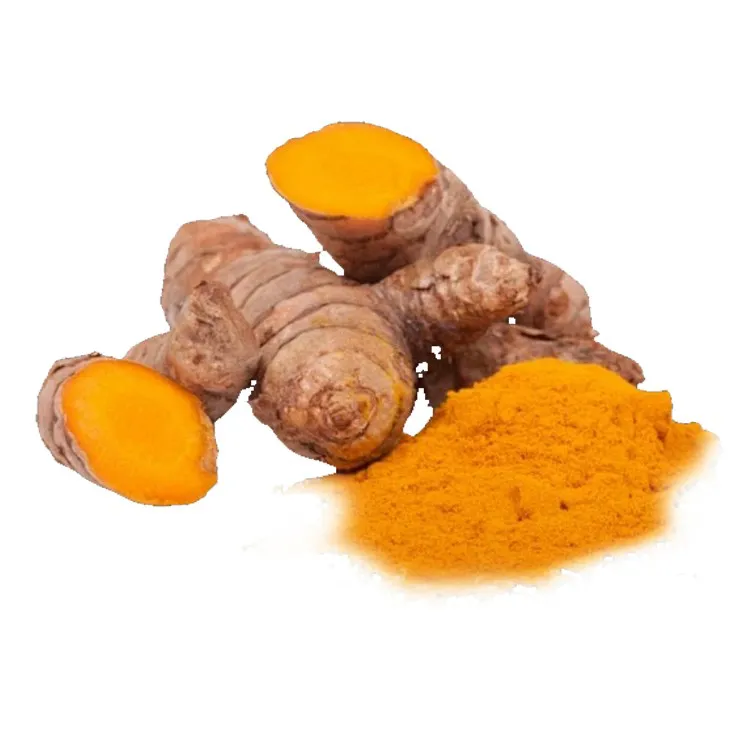
The Curcumin market has been attracting significant attention in recent years. Curcumin, a natural compound found in turmeric, has a wide range of potential applications. This report on the Curcumin market size, share, and forecast until 2032 aims to provide a comprehensive understanding of the market's current state and its future prospects.
2. Market Size Growth Drivers
2.1 Traditional Medicine
- Traditional medicine has been using turmeric, and by extension Curcumin, for centuries. In Ayurvedic medicine, turmeric is known for its anti - inflammatory, antioxidant, and antibacterial properties. This long - standing use in traditional medicine systems has created a base for the modern exploration of Curcumin. - Many regions where traditional medicine is still prevalent contribute to the demand for Curcumin - based products. For example, in India and parts of Southeast Asia, turmeric is a common ingredient in home remedies. This cultural acceptance and use of turmeric have led to an increased interest in isolating and using Curcumin for more targeted health benefits.

2.2 Modern Applications
- In the field of modern medicine, Curcumin has shown potential in treating various diseases. Research has indicated that Curcumin may have anti - cancer properties. It is believed to interfere with the growth and spread of cancer cells. For instance, some studies have shown its effectiveness against colon cancer cells in vitro. - Curcumin's anti - inflammatory properties are also being explored for the treatment of chronic inflammatory diseases such as arthritis. It can potentially reduce the pain and swelling associated with arthritis by modulating the body's inflammatory response. - Another modern application is in the area of skincare. Curcumin is being added to skincare products due to its antioxidant properties. It can help protect the skin from damage caused by free radicals, which are associated with premature aging and skin diseases.
3. Market Share Shaping Factors

3.1 Competition among Producers
- There are numerous producers in the Curcumin market. Some are large - scale pharmaceutical companies, while others are smaller, specialized supplement manufacturers. Competition among these producers is intense. - Large pharmaceutical companies often have the advantage of extensive research and development capabilities. They can invest in large - scale clinical trials to explore the potential of Curcumin in treating diseases. For example, a major pharmaceutical company might conduct a multi - year, multi - center trial on Curcumin's efficacy in treating a particular type of cancer. - Smaller supplement manufacturers, on the other hand, focus on niche markets. They may target consumers who are interested in natural remedies and are more likely to choose Curcumin - based supplements for general health and well - being. These companies often compete by offering unique product formulations, such as Curcumin combined with other natural ingredients like Black Pepper Extract to enhance absorption.

3.2 Competition among Suppliers
- The supply of Curcumin is influenced by factors such as the availability of turmeric, the extraction methods, and the quality control measures. Suppliers compete on the basis of these factors. - In terms of turmeric availability, regions with large turmeric cultivation, such as India, play a significant role. Suppliers from these regions may have an advantage in terms of cost and quantity. However, they also face challenges in ensuring consistent quality due to factors like weather conditions and agricultural practices. - Different extraction methods can result in varying levels of Curcumin purity and quality. Suppliers using advanced extraction techniques, such as supercritical fluid extraction, can produce higher - quality Curcumin. This gives them an edge in the market as consumers and producers are increasingly demanding high - quality Curcumin products. Quality control is also crucial. Suppliers that can ensure strict quality control, from raw material sourcing to the final product, are more likely to gain a larger market share.
4. Forecast for 2032
4.1 Changing Consumer Lifestyles
- Consumer lifestyles are changing, and this has a direct impact on the Curcumin market. With an increasing focus on healthy living, consumers are more likely to incorporate natural products into their daily routines. Curcumin, being a natural compound with potential health benefits, is well - positioned to benefit from this trend. - The growing popularity of plant - based diets also contributes to the potential growth of the Curcumin market. As more people choose plant - based foods, they are more likely to be exposed to and interested in products containing Curcumin, which is derived from turmeric, a plant - based ingredient. - Additionally, the rise of the wellness industry has led to consumers being more aware of preventive healthcare. Curcumin, with its potential in preventing various diseases, is likely to be in higher demand as consumers look for natural ways to maintain their health.

4.2 Expanding Research on Curcumin's Potential
- As research on Curcumin continues to expand, new potential applications are likely to be discovered. This will further drive the growth of the Curcumin market. For example, ongoing research into Curcumin's role in neurodegenerative diseases such as Alzheimer's and Parkinson's may lead to new treatment options. - The more research that is published on Curcumin's effectiveness in treating different conditions, the more confidence consumers and healthcare providers will have in its use. This will lead to increased adoption of Curcumin - based products, both in the form of dietary supplements and as potential pharmaceutical drugs. - Moreover, research into improving the bioavailability of Curcumin is also underway. If successful, this will enhance the effectiveness of Curcumin in the body, making it an even more attractive option for various applications. This could lead to a significant increase in the market share of Curcumin - based products by 2032.
5. Challenges in the Curcumin Market
- One of the major challenges in the Curcumin market is its low bioavailability. Curcumin is not easily absorbed by the body, which limits its effectiveness in vivo. Despite efforts to improve absorption, such as combining it with other substances like piperine, this remains a significant hurdle. - Quality control is another challenge. With the increasing number of producers and suppliers in the market, ensuring the purity and quality of Curcumin products can be difficult. There have been instances of sub - standard or adulterated Curcumin products in the market, which can undermine consumer confidence. - Regulatory issues also pose a challenge. Different countries have different regulations regarding the use of Curcumin in dietary supplements and pharmaceuticals. For example, some countries may require more extensive clinical trials before approving Curcumin - based drugs, while others may have stricter labeling requirements for Curcumin - containing dietary supplements.
6. Market Opportunities
- The growing awareness of natural and alternative medicine presents an opportunity for the Curcumin market. As consumers become more open to natural remedies, the demand for Curcumin - based products is likely to increase. - The potential for Curcumin in the treatment of chronic diseases also offers opportunities. If further research validates its effectiveness in treating conditions such as diabetes, heart disease, or cancer, the market for Curcumin - based drugs could expand significantly. - There is also an opportunity in the development of novel Curcumin - based formulations. For example, the creation of nanoparticle - based Curcumin formulations could improve its bioavailability and open up new markets for Curcumin in the pharmaceutical and skincare industries.
7. Conclusion
The Curcumin market has significant potential for growth until 2032. Driven by factors such as its traditional use, modern applications, and changing consumer lifestyles, the market is likely to expand. However, challenges such as low bioavailability, quality control, and regulatory issues need to be addressed. If producers and suppliers can overcome these challenges and take advantage of the market opportunities, the Curcumin market could reach new heights in terms of market size and share by 2032.
FAQ:
What are the main growth drivers for the Curcumin market?
The main growth drivers for the Curcumin market include its use in traditional medicine and modern applications. In traditional medicine, Curcumin has been used for centuries for its various health - promoting properties. In modern applications, it is being increasingly used in the pharmaceutical, food, and cosmetic industries. For example, in the pharmaceutical industry, research has shown its potential in treating various diseases, which drives the demand for Curcumin - based drugs. In the food industry, it is used as a natural food colorant and preservative. In the cosmetic industry, it is used in skin - care products for its antioxidant properties.
How does competition among producers and suppliers affect the Curcumin market share?
Competition among producers and suppliers significantly affects the Curcumin market share. Producers and suppliers compete on various fronts, such as product quality, price, and innovation. Those who can offer high - quality Curcumin at a competitive price are more likely to gain a larger market share. For instance, companies that invest in research and development to improve the extraction and purification methods of Curcumin can produce a purer and more effective product, which may attract more customers. Also, suppliers who can ensure a stable supply chain and timely delivery are more favorable in the market. Pricing strategies also play a crucial role. If a producer can offer Curcumin at a lower price without sacrificing quality, it may be able to capture a larger portion of the market.
What role does changing consumer lifestyles play in the Curcumin market forecast for 2032?
Changing consumer lifestyles have a significant role in the Curcumin market forecast for 2032. As consumers are becoming more health - conscious, they are increasingly interested in natural and functional ingredients like Curcumin. For example, with the rise of the wellness trend, consumers are more likely to choose food and dietary supplements containing Curcumin for its potential health benefits, such as anti - inflammation and antioxidant properties. Moreover, the busy modern lifestyles also drive the demand for convenient Curcumin - based products, like ready - to - drink beverages or single - dose supplements. This shift in consumer behavior is expected to contribute to the growth of the Curcumin market by 2032.
How is the expanding research on Curcumin's potential in treating diseases influencing the market?
The expanding research on Curcumin's potential in treating diseases has a profound influence on the market. As more research reveals Curcumin's effectiveness in treating various diseases, such as cancer, diabetes, and neurodegenerative disorders, the demand for Curcumin - based products, both in the pharmaceutical and nutraceutical sectors, is increasing. Pharmaceutical companies may invest more in developing Curcumin - based drugs, which can lead to new product launches and market expansion. In the nutraceutical market, consumers are more likely to purchase Curcumin supplements for preventive healthcare. This also encourages more research institutions and companies to further explore Curcumin's potential, creating a positive cycle for the growth of the Curcumin market.
What are the challenges faced by the Curcumin market?
The Curcumin market faces several challenges. One of the main challenges is the low bioavailability of Curcumin. Although it has many potential health benefits, its poor absorption in the body limits its effectiveness in some applications. Another challenge is the intense competition from synthetic alternatives in some industries. For example, in the food colorant market, synthetic dyes may be cheaper and more stable than Curcumin. Additionally, regulatory issues can also pose challenges. Different regions may have different regulations regarding the use of Curcumin in food, drugs, and cosmetics, which can affect market access and product development.
Related literature
TAGS:


-

Aged Garlic Extract
2024-12-07
-

Sophora Flavescens Root Extract
2024-12-07
-

Withania Somnifera Extract
2024-12-07
-

Phyllanthus Emblica Extract
2024-12-07
-

Apricot Powder
2024-12-07
-

Konjac Powder
2024-12-07
-

Maitake Mushroom Extract
2024-12-07
-

Maca Extract
2024-12-07
-

Buckthorn bark extract
2024-12-07
-

Milk Thistle Extract
2024-12-07