


Introduction
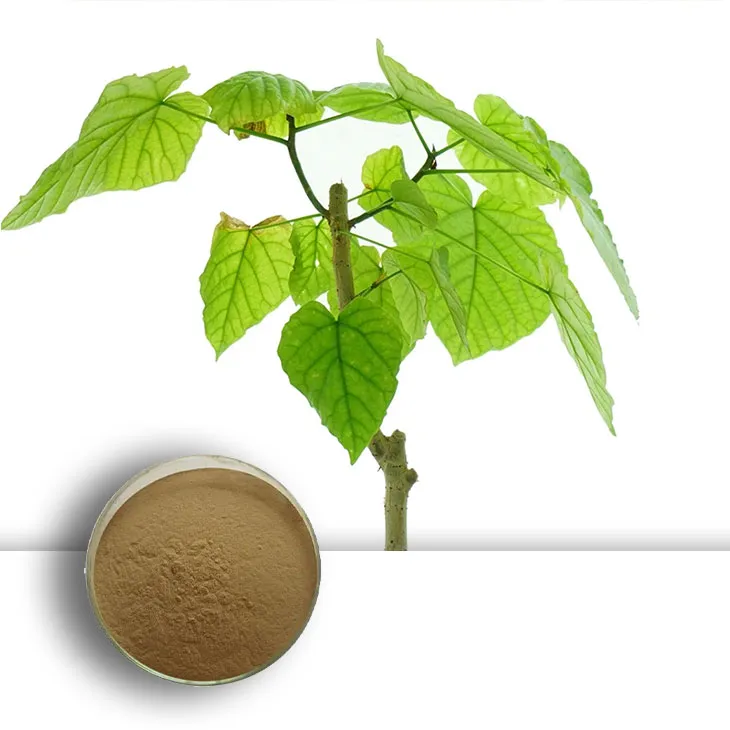
Mulberry leaf Extract has emerged as a highly sought - after ingredient in numerous industries in recent times. In the competitive market landscape, brands that strive to distinguish themselves must place a significant emphasis on the quality of this extract. Mulberry leaves are, in essence, a natural reservoir of beneficial substances. The extract is rich in nutrients such as 1 - deoxynojirimycin (DNJ), which has been the subject of extensive research regarding its potential role in blood sugar regulation.
The Significance of Mulberry leaf Extract
Pharmaceutical Applications
The potential of Mulberry leaf Extract in the pharmaceutical field cannot be underestimated. Given its content of substances like DNJ, it may offer novel approaches to treating certain health conditions related to blood sugar imbalances. For example, it could potentially be used in the development of drugs or dietary supplements aimed at helping patients with diabetes manage their blood glucose levels more effectively.

Nutraceutical Potential
In the nutraceutical arena, high - quality Mulberry leaf Extract can be a key ingredient. As consumers are becoming more health - conscious, products containing this extract can target a wide range of health - related needs. It can be incorporated into dietary supplements that promote overall well - being, perhaps by enhancing the body's natural metabolic processes or providing antioxidant support.
Cosmetic Benefits
For the cosmetic industry, Mulberry leaf Extract offers several advantages. It may possess properties that are beneficial for skin health, such as antioxidant and anti - inflammatory effects. These properties can be harnessed to develop skincare products like creams, lotions, and serums that aim to reduce signs of aging, improve skin texture, and protect the skin from environmental damage.
Key Considerations in Procurement
Origin of Mulberry Leaves
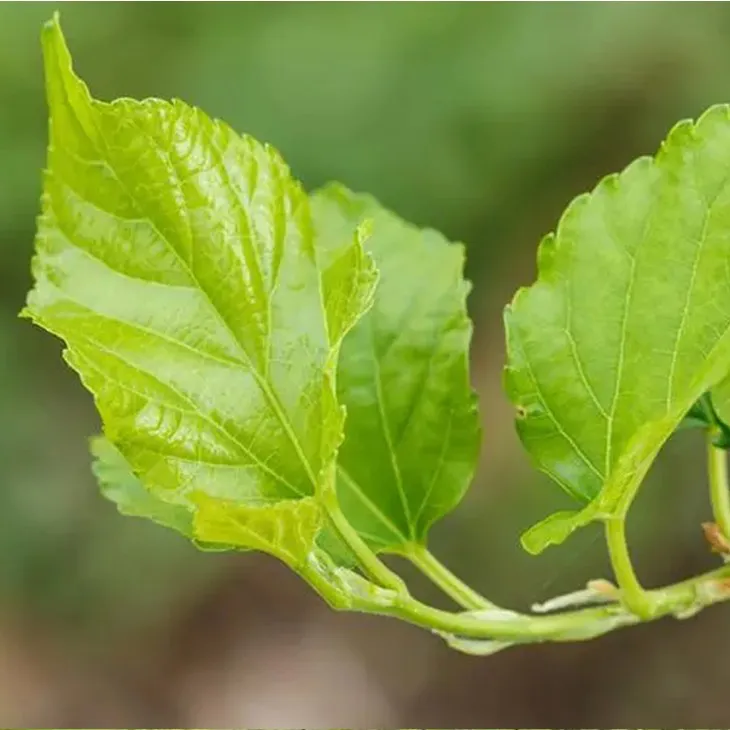
The origin of the mulberry leaves is a critical factor when procuring the extract. Different regions can result in leaves with varying qualities. This is due to a multitude of factors:
- Soil Conditions: The composition of the soil in which the mulberry trees are grown can significantly impact the nutrient content of the leaves. For instance, soil rich in certain minerals may lead to leaves with a higher concentration of beneficial substances.
- Climate: Temperature, humidity, and sunlight exposure also play a role. Mulberry trees grown in regions with a more favorable climate may produce leaves with better quality. For example, areas with a consistent and appropriate amount of sunlight can result in leaves with higher levels of active ingredients.
- Cultivation Methods: The way in which the mulberry trees are cultivated, including the use of fertilizers, pesticides, and irrigation techniques, can affect the quality of the leaves. Organic cultivation methods, for example, may lead to leaves with a purer and more natural composition.
Extraction Process
The extraction process is another crucial aspect. Advanced extraction techniques are essential to obtain a high - quality extract:
- These techniques can ensure a higher yield of active ingredients. For example, modern solvent - based extraction methods can efficiently extract DNJ and other beneficial compounds from the mulberry leaves.
- They also help in maintaining the integrity of the active ingredients. This is vital as any degradation of the active components during extraction can reduce the effectiveness of the extract in its intended applications.
Challenges in Procurement
Ensuring Purity
With the growing demand for Mulberry leaf Extract, ensuring its purity has become a significant challenge. There are several factors that can compromise the purity of the extract:
- Contamination from other plant materials or substances during the harvesting and processing stages. For example, if the leaves are not properly sorted, there may be unwanted plant parts included in the extraction process, which can introduce impurities.
- Residues from pesticides or fertilizers used during cultivation can also affect the purity of the extract. This is a particular concern if the cultivation methods are not strictly regulated.
Avoiding Adulteration
Adulteration is another major issue in the procurement of Mulberry leaf Extract. Some unethical suppliers may attempt to cut costs or increase profits by adulterating the extract:
- They may add cheaper substances that mimic the properties of the real extract. This can be difficult to detect, especially if the quality control measures are not comprehensive.
- Another form of adulteration could involve diluting the extract with solvents or other substances, thereby reducing its potency and quality.
Solutions for Brands
Working with Trusted Partners
Brands need to establish relationships with trusted partners in the supply chain. These partners should have a proven track record in providing high - quality Mulberry leaf Extract. They should be transparent about their sourcing and extraction processes, and be able to provide relevant certifications and quality assurance documents.
Implementing Strict Quality Testing Procedures
To safeguard the quality of the extract used in their products, brands must implement strict quality testing procedures:
- These procedures should include tests for the identity of the extract, to ensure that it is indeed Mulberry leaf Extract and not a substitute or adulterated product.
- Testing for the purity of the extract is also essential. This can involve chemical analysis to detect any contaminants or impurities.
- Analysis of the potency of the active ingredients, such as determining the concentration of DNJ, should be part of the quality testing regime.
Conclusion
In conclusion, for brands looking to incorporate high - quality Mulberry leaf Extract into their products, it is crucial to be aware of the various factors involved in procurement. Understanding the origin of the mulberry leaves, the importance of the extraction process, and being vigilant about the challenges such as ensuring purity and avoiding adulteration are all key elements. By working with trusted partners and implementing strict quality testing procedures, brands can ensure that they are using a high - quality extract that can contribute to the success of their products in the pharmaceutical, nutraceutical, or cosmetic industries.
FAQ:
What are the main benefits of Mulberry leaf Extract?
One of the main benefits is that it contains 1 - deoxynojirimycin (DNJ), which has been studied for its potential in blood sugar regulation. It also contains other nutrients that can be valuable in various applications such as in the pharmaceutical, nutraceutical, or cosmetic fields.
Why is the origin of mulberry leaves important in procurement?
The origin is important because leaves from different regions may have different qualities. Factors like soil, climate, and cultivation methods can vary by region, which in turn can affect the quality of the mulberry leaves and ultimately the extract. For example, a region with rich soil and a suitable climate may produce leaves with a higher content of beneficial substances.
How does the extraction process impact the quality of Mulberry leaf Extract?
Advanced extraction techniques can ensure a higher yield of active ingredients while maintaining their integrity. A proper extraction process can effectively extract the beneficial substances like DNJ from the mulberry leaves without degrading them. If the extraction process is not well - done, it may lead to a lower quality extract with reduced amounts of active ingredients.
What challenges are there in procuring high - quality Mulberry leaf Extract?
One of the main challenges is ensuring purity. With the increasing demand, there is a risk of adulteration. Also, finding reliable sources and ensuring consistent quality can be difficult. Brands need to work with trusted partners and implement strict quality testing procedures to overcome these challenges.
How can Mulberry leaf Extract be used in different industries?
In the pharmaceutical industry, it can be used to develop drugs related to blood sugar regulation. In the nutraceutical industry, it can be added to supplements for its potential health benefits. In the cosmetic industry, it can be used in products to enhance beauty, perhaps through its antioxidant properties.
Related literature
- The Nutritional and Therapeutic Potential of Mulberry leaf Extract"
- "Mulberry leaf Extract: A Review of its Production and Applications"
- "Quality Control in Mulberry leaf Extract Procurement"


-

Carrageenan Extract Powder
2024-12-17
-

Rosemary extract
2024-12-17
-

Fig Extract
2024-12-17
-

Bayberry Extract
2024-12-17
-

Jujube Extract
2024-12-17
-

White mustard seed extract
2024-12-17
-

Sophora Japonica Flower Extract
2024-12-17
-

Bilberry Extract
2024-12-17
-

Genistein
2024-12-17
-

Yam Extract
2024-12-17